
Texas is a state that is filled with natural beauty. When you explore the natural attractions located within the state of Texas, you can’t simply ignore the lakes. There are dozens of lakes located within Texas. They range from small lakes to large lakes that contain shorelines with hundreds of miles. If you are looking for a lakefront vacation, you can think about visiting one of the biggest lakes in Texas. Continue to read and we will share information about the biggest lakes that you can find in Texas as of now.
[googlemaps https://www.google.com/maps/d/embed?mid=18oaeGGztn9r2MogobOpJOUqqC0gEOygz&w=640&h=480]
Biggest lakes in Texas table
| Lake | square miles | surface area acres |
| 1. Toledo Bend Reservoir | 289 | 184,960 |
| 2. Sam Rayburn Reservoir | 179 | 114,560 |
| 3. Falcon International Reservoir | 154.63 | 98,963.2 |
| 4. Lake Texoma | 139 | 88,960 |
| 5. Lake Livingston | 129.73 | 83,027.2 |
| 6. Amistad Reservoir | 101.4 | 64,896 |
| 7. Richard-Chambers Reservoir | 64.63 | 41,363.2 |
| 8. Lake Tawakoni | 57.33 | 36,691.2 |
| 9. Cedar Creek Reservoir | 51 | 32,640 |
| 10. Lake Lewisville | 46.25 | 29,600 |
| 11. Lake Fork | 43.28 | 27,699.2 |
| 12. Lake Palestine | 40 | 25,600 |
| 13. Caddo Lake | 39.7 | 25,408 |
| 14. Lake Ray Hubbard | 35.54 | 22,745.6 |
| 15. Lake Buchanan | 34.9 | 22,336 |
| 16. Lavon Lake | 33.47 | 21,420.8 |
| 17. Lake Conroe | 32.81 | 20,998.4 |
| 18. Possum Kingdom Lake | 30.93 | 19,795.2 |
| 19. Lake Travis | 29.58 | 18,931.2 |
| 20. Lake O’ the Pines | 29.19 | 18,681.6 |
1. Toledo Bend Reservoir – Largest man-made lake in Texas
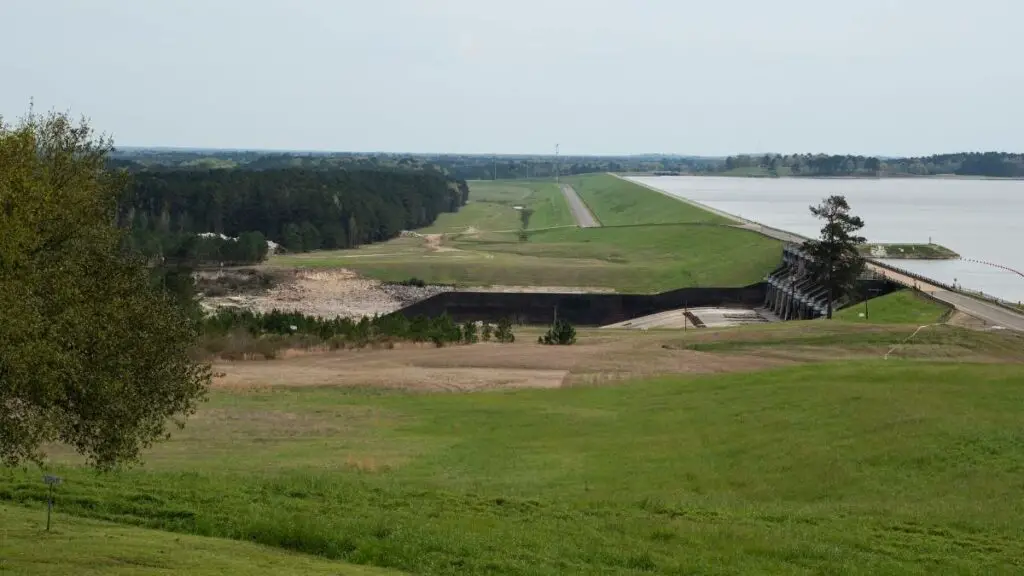
Toledo Bend Reservoir is not a natural lake, but a man-made lake. You can call it the largest man-made lake in the state. This lake is covering an area of over 184,960 acres. In other words, Toledo Bend Reservoir is covering a massive area of over 289 square miles.
However, you should keep in mind that this lake is not fully located within the state of Texas. A part of this lake is located within Louisiana state as well. This is also the largest lake in Texas by volume.
The region where the Toledo Bend Reservoir sits now was often flooded back in the day. Due to the same reason, people couldn’t establish a community.
This is where the officials came up with the idea of using the piece of land for the construction of a lake. This lake was constructed for recreational, agricultural, industrial, and municipal purposes.
Constructions of the Toledo Bend Reservoir started back in the year 1963.
However, the construction activities of the biggest man-made lake in Texas were completed by the year 1969. Since then, it is one of the most purposeful water bodies available in Texas as of now.
One of the main purposes of Toledo Bend Reservoir is to cater to the recreational needs of people who are living within the state.
It has a massive shoreline that extends up to 1,200 miles. Hence, people are provided with numerous recreational activities. Some of the most popular recreational activities that you can find here include sightseeing, hunting, camping, fishing, picnicking, boating, and swimming. You can also find how numerous tournaments are being held at the shorelines of Toledo Bend Reservoir throughout the entire year
Read: Biggest Lakes In The United States Of America [Top 20]
Learn about the Lake Superior Largest Lake in the USA
2. Sam Rayburn Reservoir
People who are interested in exploring the largest body of water in Texas can take a look at Sam Rayburn Reservoir as well.
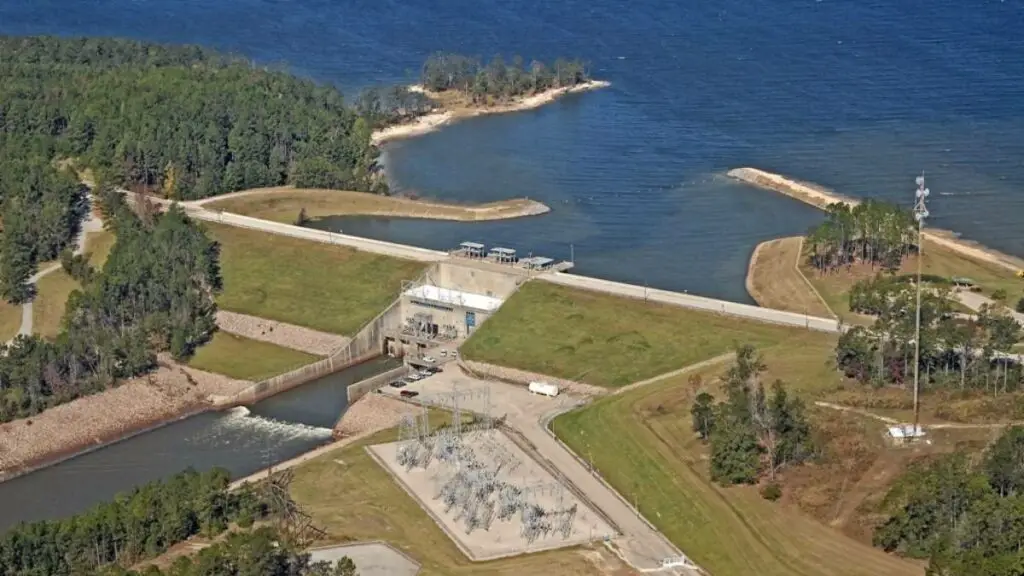
That’s because it is holding the second position under the largest lakes in Texas in order. This lake is covering a total area of over 114,560 acres or 179 square miles.
The Sam Rayburn Reservoir is located near the Angelina National Forest. This lake is fed through the Angelina River.
This lake is quite popular for the outstanding recreational opportunities offered for the people as well. Some of the most popular recreational activities include camping and fishing.
The Sam Rayburn Reservoir is located between Longview and Beaumont in East Texas. The lake is having a relatively long shoreline as well. The shoreline is expanding up to a distance of 600 miles.
If you are planning to visit the Sam Rayburn Reservoir for recreational purposes, you should think about coming during the summer season.
That’s because you can find many activities happening around the reservoir during the summer season.
For example, you will be able to rent a cabin located near the lake. On top of that, you can also find numerous condos and lake houses available for you to stay in and have a great time along with your loved family members.
Make sure that you come to Sam Rayburn Reservoir and spend at least a week so that you can get the best experience out of your stay.
Learn about the largest and deepest lake in Ohio
3. Falcon International Reservoir
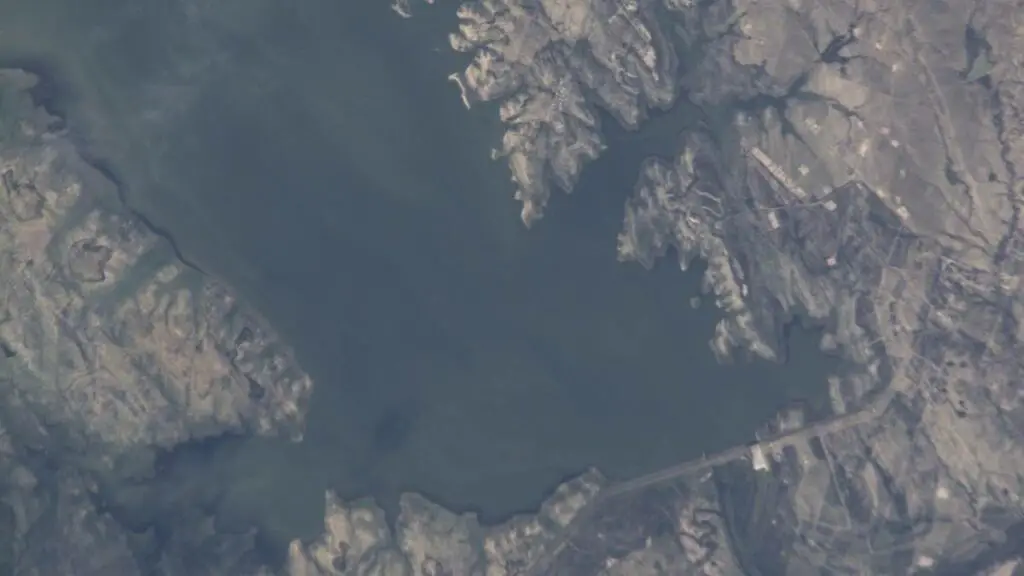
Among the largest lakes in Texas by surface area which measures 154.63 square miles, Falcon Reservoir is holding a prominent place. The lake is located next to the Falcon International Reservoir.
People who are coming to enjoy their time at the Falcon State Park prefer to stay near the Falcon Reservoir and have a great time. You will be able to find numerous camping spots around the lake as well.
The Falcon Reservoir is covering a total area of 98,963.2 acres. Hence, you can even compare it with the biggest lake in Texas.
The stay that you spend near the Falcon Reservoir will be a relaxing one. That’s because it is a great escape from the hustle and bustle of the city.
You can also engage in numerous water sports while you are staying near the Falcon Reservoir. On top of that, you can find multiple short hiking trails around the lake as well.
The best thing about Falcon Reservoir and the state park located next to it is that it will never get noisy and crowded, even during the summer season. Hence, you will be able to have a peaceful time while staying here.
However, it is highly recommended for you to come near Falcon Reservoir during the spring season. That’s because water levels in the Falcon Reservoir are relatively low during the summer season. Hence, you will be provided with rocky terrain.
The nights that you spend by the Falcon Reservoir would be fascinating. That’s because you can have a great time stargazing.
There aren’t any city lights near you to obscure the view of stars that you can witness during the nighttime.
Read: Biggest Lakes In New York [Top 20]
Learn about the largest clear clean water lake in New York
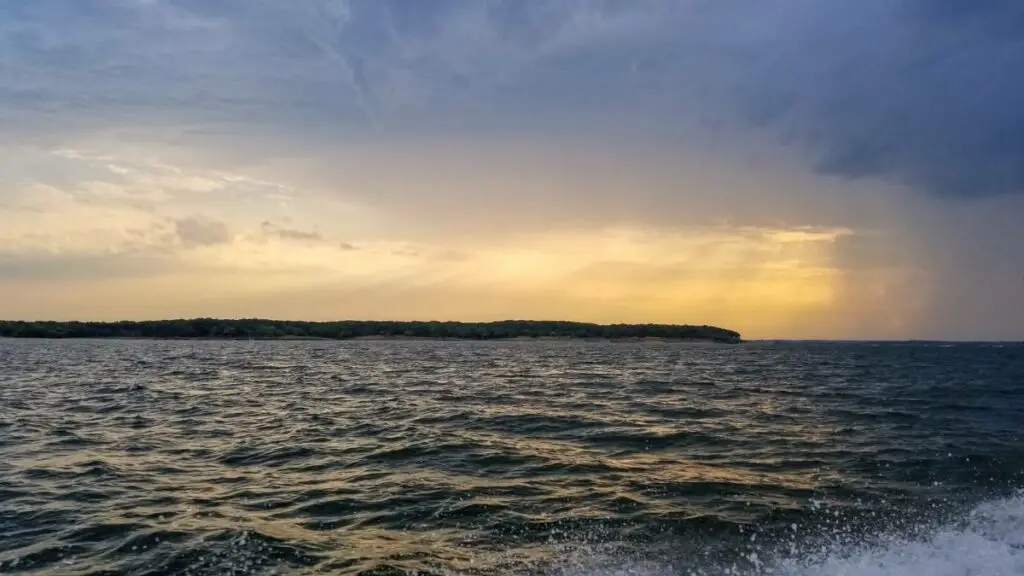
4. Lake Texoma
Lake Texoma is established in the place where the Red River and Washita River are combined.
You can call this one of the largest lakes in the state of Texas with a total surface area of 139 square miles. One of the most prominent facts about this lake is that it is a highly developed lake.
If you are looking for a natural lake, this might not be the best option as the area surrounding this lake is highly developed.
Lake Texoma is not a naturally developed lake. It was constructed along with the development of the Denison Dam.
The lake is covering both Oklahoma and Texas counties. The lake is covering a total floor area of over 88,960 hectares. You can find numerous cities and natural parks around Lake Texoma.
Hence, you will be able to find coming to Lake Texoma throughout the entire year. Inside Lake Texoma, you can discover numerous small islands as well.
According to recent studies, it has been identified that around 6 million people come to Lake Texoma throughout the year. They take part in numerous activities, which include windsurfing, water skiing, sailing, and fishing.
On top of that, it is possible to find more than 70 different species of fish living within the lake as well. Some of the most prominent forms of fish include white crapes, catfish, and bass.
There are some annual events held near Lake Texoma as well. Lakefest Regatta, which is held every spring is a perfect example of such an event.
This event is quite popular among college students in Texas and other parts of the country.
Learn about The shallowest lake in Pennsylvania
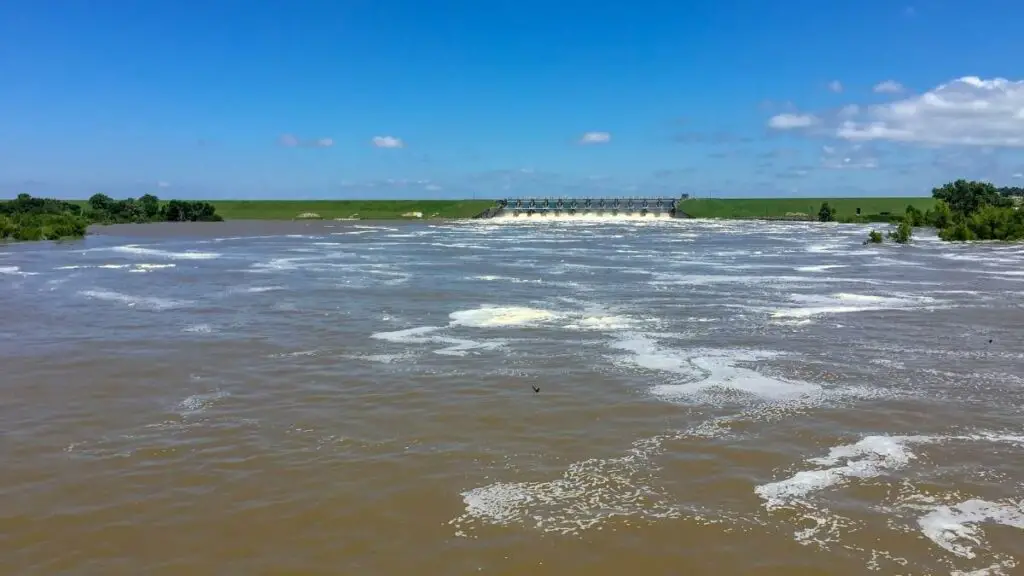
5. Lake Livingston – 5th largest lake in Texas
Lake Livingston is the fifth largest lake in Texas that you can find as of now that measures 129.73 square miles. The fifth-largest lake in Texas is also a man-made one with a surface area of 83,027.2 acres.
As of now, this lake is fully managed by the Trinity River Authority of Texas. The main objective of this lake is to supply water for the people in the state of Texas.
As of now, the water that is being used in Lake Livingston is used to provide water for agricultural, municipal, and industrial requirements. The lake is located in the basin of the Trinity River. It belongs to the Galveston and Houston metropolitan areas.
The lake has been able to contribute a lot towards the economic development of the region as well. Along with that, you can also see how numerous commercial and public recreation facilities have been formed around the lake.
If you are looking for a lake to engage in recreational activities, you can think about visiting Lake Livingston as well. Some of the most prominent recreational activities that you can find here include camping.
You can even find full-service marinas near the lake. On the other hand, you can find many motel accommodations, which are located along the shoreline of the lake.
Learn about the largest body of water wholly contained within Illinois
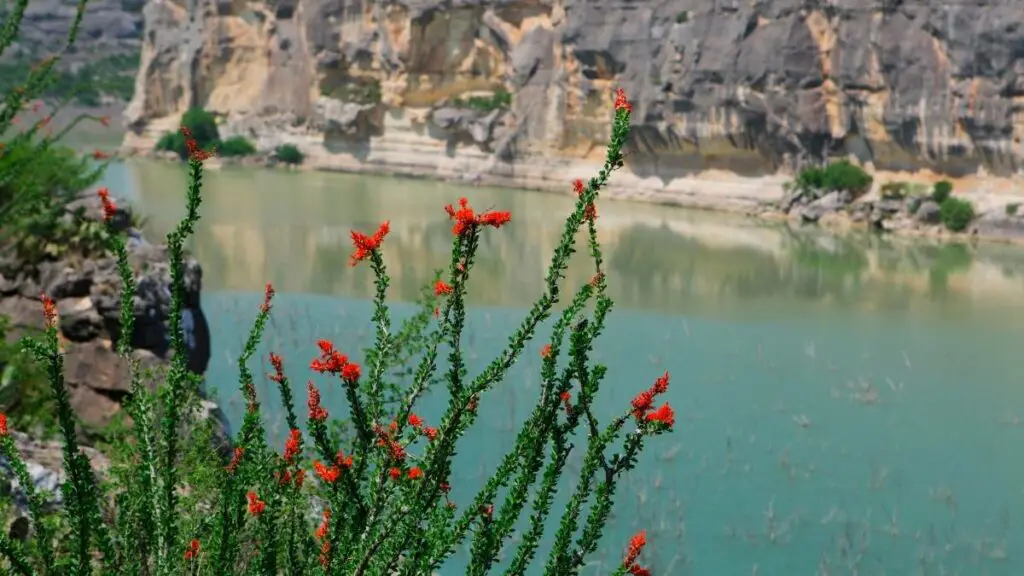
6. Amistad Reservoir
Lake Amistad is a perfect-looking reservoir that you can find in the state of Texas that measures 101.4 square miles or 64,896. This reservoir is located in the place where the Rio Grande is meeting the Devils River. It is located around 19km northwest direction of Del Rio.
Lake Amistad was constructed back in the year 1969. Along with the formation of the Amistad Dam, Lake Amistad originated. The lake site is in the southern region of Texas state.
It is along the Mexican border. This region was quite popular among Indigenous Americans back in the day. If you can explore caves around the lake, you will be able to find their paintings.
As of now, Lake Amistad is quite popular among people in the country for its natural beauty. On the other hand, Lake Amistad is quite popular for recreational activities as well.
Fishing is the most popular recreational activity that you can find here. Both international and national fishing events take place at Lake Amistad.
Some other examples of activities include scuba diving, water skiing, and swimming. You will be able to enjoy them while you are at Lake Amistad. On the other hand, you can discover more than enough boat ramps around the lake.
On top of everything, people are getting attracted to the natural beauty of the lake, which offers many other adventures such as camping and hiking.
Learn about the deepest lake in Florida
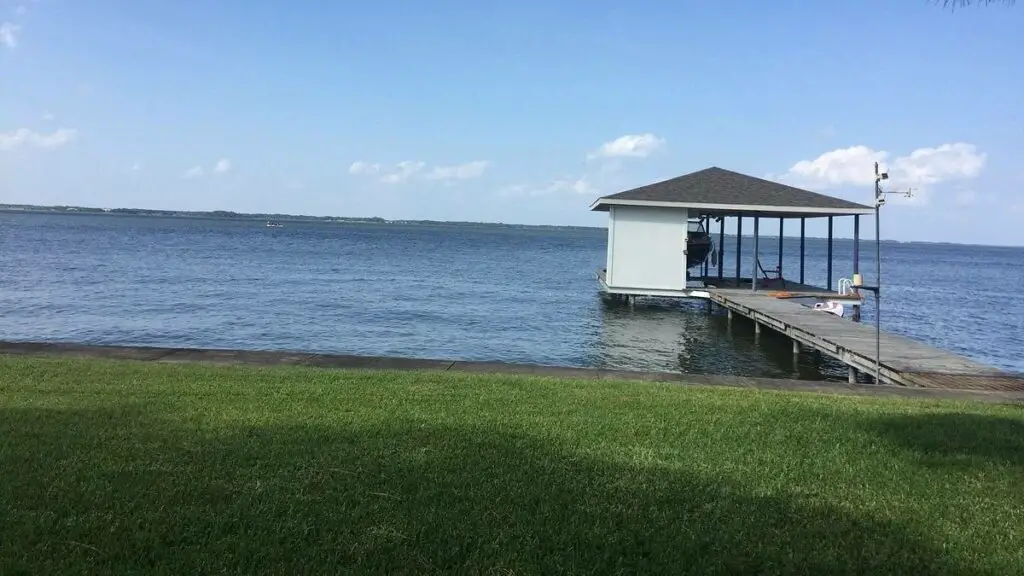
7. Richard Chambers Reservoir
Richland Chambers Reservoir, which was dammed in 1989, has 330 miles of coastline and a surface area of 41,363.2 Acres and 64.63 square miles. Richland Chambers, which is roughly an hour’s drive along I-45 from Dallas, has excellent boating and fishing. A variety of different development firms are swiftly creating gated residential communities around the lake. The third-largest inland lake in the state, Richland Chambers is reportedly supplied by the Richland and Chambers streams and provides water to Tarrant County. The coastline is flat, well-forested, and not very spectacular. The water is quite clean and may reach a maximum depth of 75 feet.
When compared to Travis, Lewisville, LBJ, and Texoma lakes, Richland Chambers is thought regarded as being a more tranquil lake. It’s not a “party” lake, but it’s ideal for boaters, anglers, and families who want to unwind on a lake. The lake is home to a number of free public boat ramps as well as a few marinas that charge a fee.
Swimming is enjoyable and the water is clear. All sorts of personal watercraft, including jet skis and sailboats, may be used on Richland Chambers Lake. On the Richland arm of the lake, there is a sizable east-west area that is thought to be the state’s biggest inland sailing basin.
Fishing is fantastic here! There are several fishing competitions held all year round. Fish species include hybrid striper, sand bass, crappie, and catfish. With a fast Internet search, a variety of fishing guides may be quickly located.
Texas’ third-largest lake is Richland Chambers. When compared to Travis, Lewisville, LBJ, and Texoma lakes, it is regarded as being more serene.
Learn about the largest natural lake in California
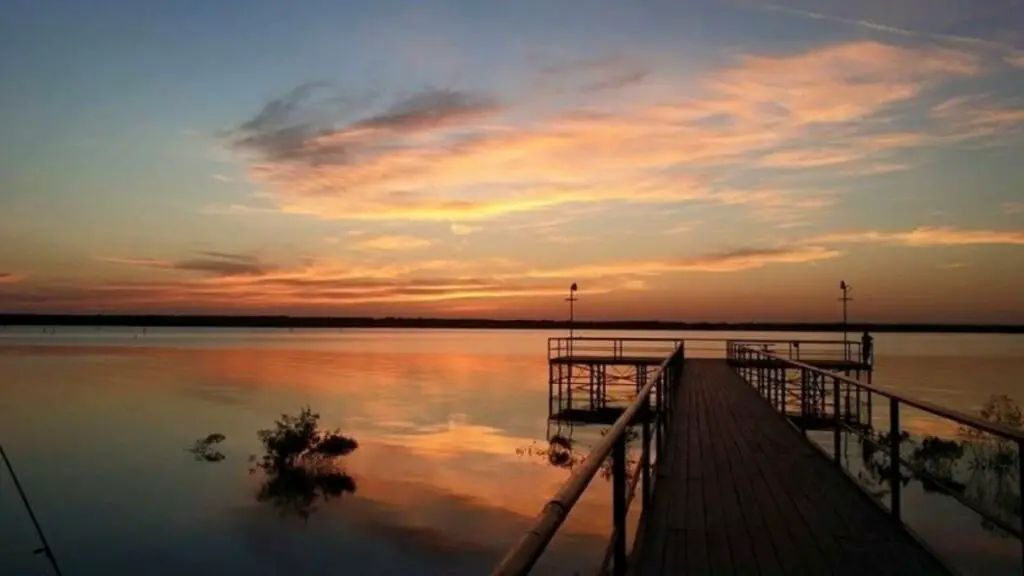
8. Lake Tawakoni
If you can drive 50 miles from the DFW metroplex, you will be able to reach Lake Tawakoni. This is among the largest lakes in Texas as well.
That’s because it is covering a total area of 36,691 acres or 57.33 square miles. Along the lake, you can find 37,6 acres of oak forest as well. moreover, you can find five miles of lakeshore and sandy beaches on it.
Hence, Lake Tawakoni will be a great getaway for people who are interested in exploring the natural beauty and having quality time along with loved family members.
The water that you can find at Lake Tawakoni is ideal for boating and swimming. You will be able to rent a boat without encountering any challenges.
On the other hand, it is possible to rent one of the camping grounds at Lake Tawakoni for spending a weekend. It would be a perfect weekend getaway that you can enjoy by the waters.
You can also find numerous hiking trails around Lake Tawakoni. These hiking trails have a total distance of over five miles.
People who go ahead with these hiking trails can have a great time bird-watching. If you can rent a bike, you will even be able to take part in mountain biking.
Learn about the lake Michigan the second-largest of the Great Lakes by volume
9. Cedar Creek Reservoir
This is one of the largest lakes in Texas is located approximately 75 miles south-east of Dallas. Towards the south end of the lake, the water is pretty clean, however at the north end, the water is murkier. It spans across 51 square miles and have a surface area of 32,640 acres.
Nearly all of the extremely big and stunning homes that line both sides of the lake have been constructed. There are several coves that may be explored or used for swimming, skiing, or fishing.
Large coves along Cedar Creek, mostly on the east bank, provide excellent spots for skiing, swimming, or fishing. The coves are fairly protected, so you should be able to locate some quiet water. On normal weekends, the water may turn turbulent owing to boat traffic and wind. Additionally, the east side is great for boating and seeing the enormous mansions that border the beach. The bottom part of the reservoir, where the water is clear, is the greatest place to fish for largemouth bass. The lake record was 14.65 pounds in weight. There are many catfish, with more channel cats and blues in the permissible size range. The lake record for hybrid striped bass is 13.19 pounds, and they are supplied every year.
Learn about Matagorda that is one of the most beautiful beach towns that you can find in Texas
10. Lewisville Lake
If you are interested in visiting one of the largest lakes in Texas during the summer, you may think about visiting Lewisville Lake Measuring 46.25 square miles or a surface area of 29,600 acres.
This lake is crowded with people during the summer months. However, you will still be able to get numerous opportunities to enjoy yourself during the time that you spend.
To access Lewisville Lake, you will have to get to Lewisville and drive in the Northern Direction. The very first name given to this lake was Dallas Lake.
It was constructed back in the 1950s. However, the lake was later expanded, and the name got changed.
As of now, Lewisville Lake is covering a total area of almost 12,000 acres. Around the lake, there are numerous rolling hills and trees. On the other hand, a total of 9 bridges cross the lake.
People who wish to come to this lake will even be able to access it via the A-Train, which is fully managed by the Denton County Transportation Authority.
There is an excellent shoreline near Lewisville Lake. This is the home to multiple camping facilities, lodges, golf courses, and restaurants.
Moreover, you may call Lewisville Lake an ideal location for water skiing, waterboarding, and fishing. You will be able to go ahead and catch lots of crappies and catfish while you are fishing at Lewisville Lake.
Learn about Lake Palestine that is an excellent location to start if you’re wondering how to catch bass in Texas.
11. Lake fork
A 27,699.2 acre and 43.28 square miles big impoundment called Lake Fork Reservoir is about 90 miles east of the Dallas-Fort Worth metroplex. The Sabine River Authority established it as a municipal and industrial water supply (SRA). Water was first accumulated in the reservoir in February 1980, and that same year, in September, it was made accessible to the general public. Four public boat ramps and a large number of private marinas provide boat access. The reservoir has minimal bank access, however a public day-use facility and fishing pier constructed by the SRA offers some restricted bank access. Numerous varieties of fish may be caught with pleasure thanks to the mild temperatures throughout the year and the breathtaking environment.
Read: [20 Best] Weekend trips from dallas That you will never forget
Learn about the La Cantera Hill Country Resort
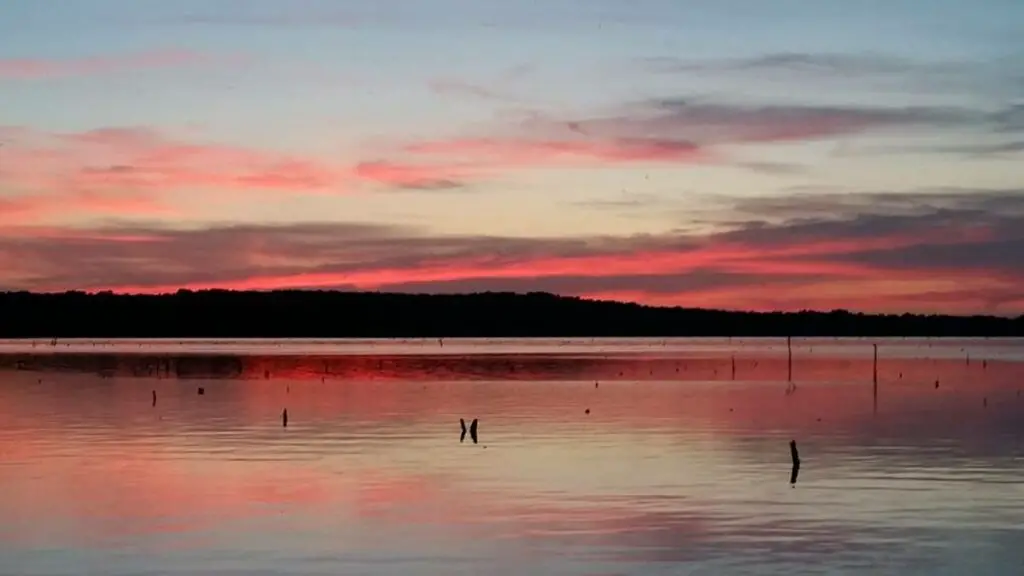
12. Lake Palistine
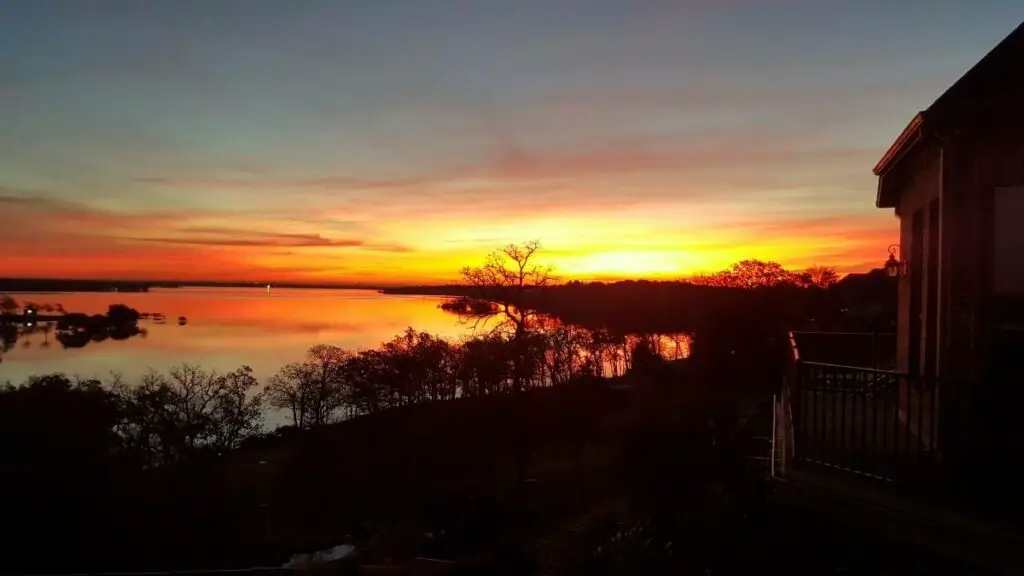
Lake Palestine was created by a dam on the Neches River that is owned and controlled by the Upper Neches River Municipal Water Authority, and it is situated on Highway 155 approximately 15 miles south-west of Tyler, Texas. This lake covers an area of 25,600 acres of 40 square miles.
The lake encompasses a portion of Anderson, Cherokee, Henderson, and Smith Counties. Between Anderson and Cherokee Counties, the Neches River forms the border as it flows southward from the dam. Henderson County and Smith County are separated by the Neches River channel via Lake Palestine. The biggest lake in the Tyler region is Lake Palestine.
Everyone may enjoy relaxation and outdoor activities at Lake Palestine, where popular pastimes include boating, water skiing, houseboating, camping, RVing, canoeing, hiking, bicycling, and fishing.
For many Texans and tourists, it also provides lakefront and lakeside housing options, as well as accommodation options including RV parks, campsites, resorts, cottages, hotels, and B&Bs.
The lake is almost accessible year-round because to Tyler’s mild winters.
Prominent camps like Pine Cove Christian Camps and popular tourist destinations like the Villages Resort are located there. Due to its ongoing success, the lake is particularly popular for largemouth bass events.Both white bass and hybrid striped bass may be found here, although white bass are more common during their spring migration up the Kickapoo and Neches rivers.
Read: Is Traveling A Hobby? The Ultimate Guide To An Exciting Way Of Life
Learn about the Downsides Of Traveling As A Hobby
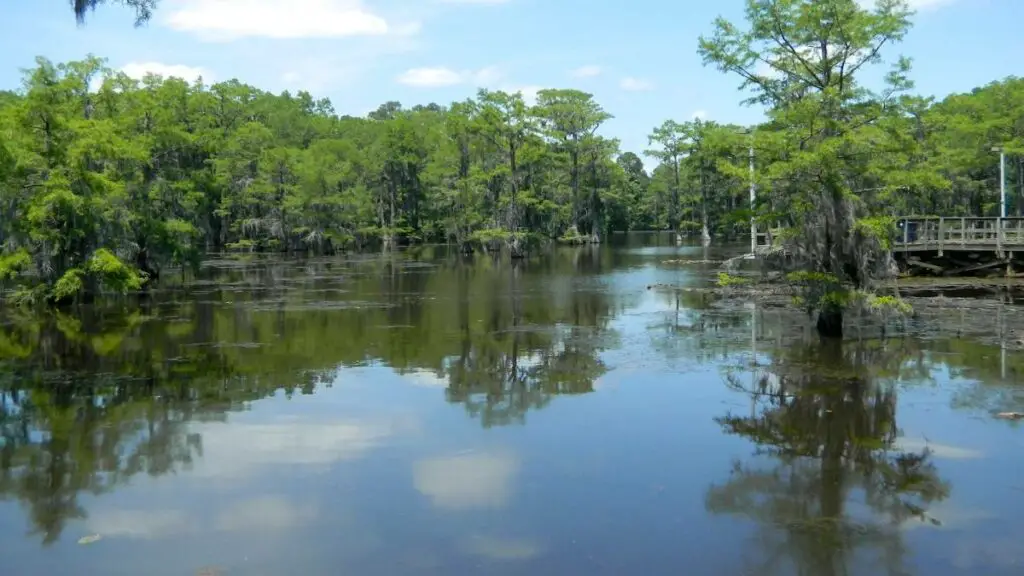
13. Caddo Lake
square miles 39.7, surface area 25,408 acres
The state park that includes Caddo Lake is one of the few remaining natural lakes in Texas. It is situated in the piney woodlands ecoregion of eastern Texas and is managed as a wildlife management area (WMA). The park spans 8,253 acres (3,340 ha) and is located in Harrison County, close to Karnack, Texas, west of the lake itself. In the 1900s, drilling for petroleum was done around the lake and its surroundings. The Great Raft, a massive log jam that formed the lake, was responsible. The Caddo Lake covers a total area of 25,408 acres of 39.7 square miles.
In honour of Caddo Lake, a large network of bayous and sloughs known as a wildlife management area (WMA) of cypress swamp is called Caddo Lake State Park. The lake is typically 8 to 10 feet deep, while the deep water in the bayou is often 20 feet deep (6.1 m). The lake has 71 different types of fish, which is a fisherman’s paradise. Crappie, largemouth bass, and white bass benefit most from it. Stately cypress trees, American lotus, water lilies, ducks, alligators, turtles, frogs, snakes, raccoons, mink, coypu, beavers, squirrels, armadillos, and white-tailed deer are among the many species that may be seen there.
Learn about the Butterfield Trail Golf Club is one of the largest private golf clubs that you can find in Texas as of now.
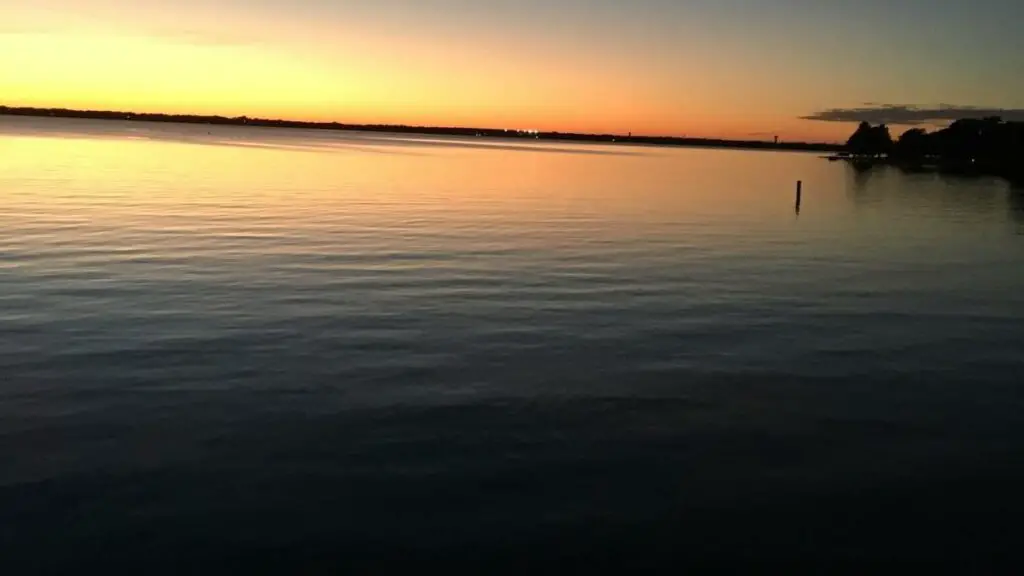
14. Lake Ray Hubbard – The biggest lake in Dallas
You can find numerous lakes in Dallas as well. Out of them, Lake Ray Hubbard is the biggest lake that you can find. This lake is belonging to the counties of Dallas, Rockwall, Collin, and Kaufman.
The lake was constructed along with the establishment of the Rockwall Forney Dam. The total area of this lake is 22,745.6 acres or 35.54 square miles, which is equivalent to 90 square kilometers. The lake is having a total storage capacity of 600 million cubic meters.
The initial name of this lake was Forney Lake. That’s because the lake was located near Forney. However, Dallas later incorporated the lake and wanted to change the name.
That’s where the name of the lake was changed to Lake Ray Hubbard, in honor of Ray Hubbard, who worked for Dallas and Recreation Park.
Fishing is one of the most popular activities that you can find on this lake. You will be able to find numerous species of fish in this lake.
They include white bass, hybrid striped bass, channel catfish, largemouth bass, white crappie, blue catfish, and alligator gar.
If you are looking for a perfect fishing spot around Dallas, you can think about visiting Lake Ray Hubbard without keeping any doubts in mind.
Read: Bucket List [50 Things] To Do In Texas(Ultimate Guide)
Learn about Things to do in Texas during summer
15. Lake Buchanan
Boaters, campers, anglers, and swimmers all love Lake Buchanan very much. People of all ages go to the Texas Hill Country to take advantage of its attractions. Being on a lake this size means you’ll never feel crowded, which is a significant perk. On each of the Highland Lakes, there is always plenty of space for elbows. This lake extends to an area of 34.9 square miles or 22,336 acres.
Unlike the other Highland Lakes, Lake Buchanan has a special characteristic. Parts of the lake’s shoreline are composed of granite gravel, which offers a perfect beach for swimming, wading, and sunbathing.
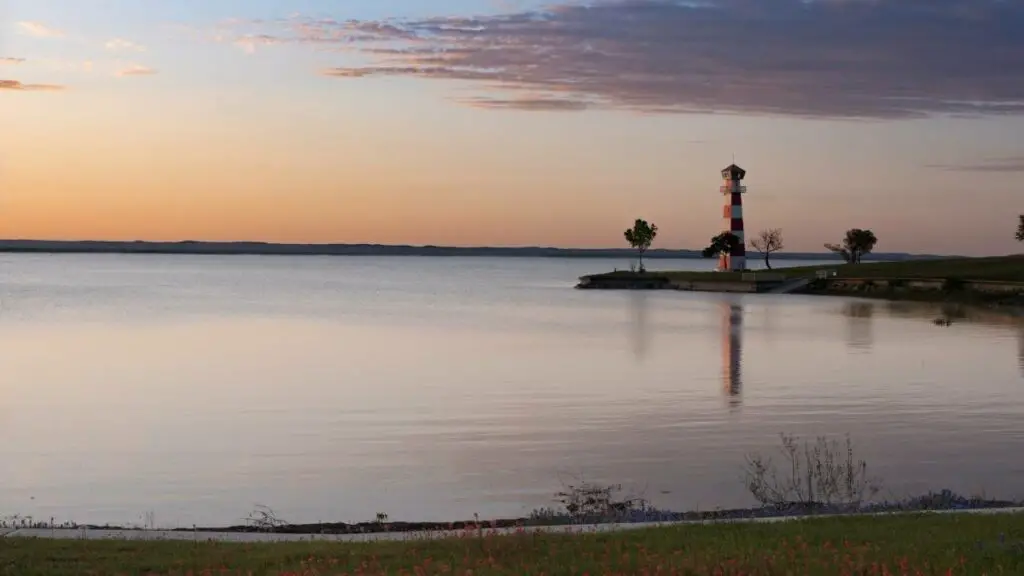
The lighthouse in the Lake Buchanan photo up top is a privately owned structure close to Buchanan Dam. As you go on Highway 29 towards the southern edge of Lake Buchanan, you can see it. With a length of 30 miles and a width of just under 5 miles at its widest point, Lake Buchanan is the second-largest of the Highland Lakes in Central Texas. A staggering 124 miles of coastline surround Lake Buchanan.
The Buchanan Dam’s construction produced Lake Buchanan. With a length of slightly over two miles, Buchanan Dam was thought to be the nation’s longest multiple-arch dam when it was finished in 1938. J.P. Buchanan, a US representative, was honoured with a lake and dam.
60 miles to the north-west of Austin and 95 to the north of San Antonio are where you’ll find Lake Buchanan. There are around 200 miles between it and Dallas/Fort Worth and 200 miles between it and Houston.
16. Lake Lavon
About 3 miles east of Wylie, Texas, on the East Fork of the Trinity River, at river mile 55.9, is where you’ll find the Lavon Lake Dam. The size of Lavon Lake is around 21,400 acres. Lavon is a section of the Trinity Project in the U.S. Army Corps of Engineers’ Fort Worth District. Each year, some 1.6 million people go to Lavon Lake to engage in activities including camping, fishing, swimming, boating, and more.
The 21,420.8 acres or 33.47 square miles of Lavon Lake are used by almost 4 million tourists annually. Lavon Lake has 16 parks, 244 picnic areas, 19 4-lane boat ramps, 5 beaches, 71 tent camping sites with water hookups, 167 full-hookup campsites, a park for people with disabilities, and 6 group shelters for big gatherings. The 9-mile Trinity Route, a horseback riding and hiking trail, is situated between Brockdale Park and East Fork Park in Lavon Lake. In addition, Sister Groves Park, a 75-acre hike-and-bike track, is situated close to Lavon Lake between Princeton and Farmersville. Only daytime usage of the primitive path is permitted for hiking and off-road cycling.
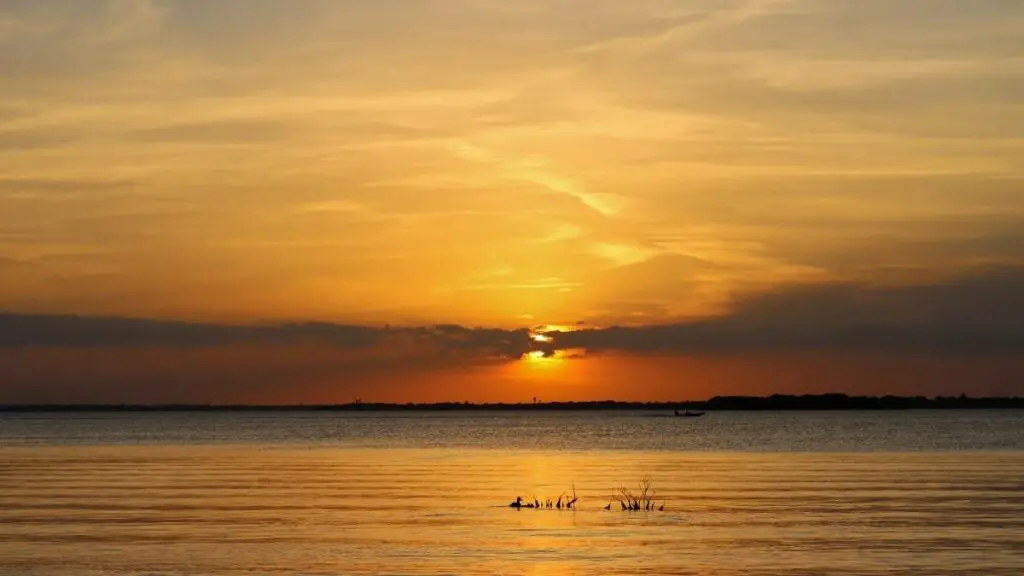
17. Lake Conroe
You can reach Lake Conroe by driving for around 60 from Houston in the north direction. Any person who wishes to get lost in the natural beauty can think about visiting Lake Conroe With a surface area of 32.81 square miles or a surface area of 20,998.4 acres.
It is running through the Piney Woods Forests in Eastern Texas. You can call Lake Conroe a beautiful lake. That’s because the entire lake is surrounded by hills and trees.
You can also find numerous outstanding-looking houses that are located around the lake as well.
If you are into golfing, Lake Conroe would be a great destination for you to visit. That’s because there are numerous golf courses located around the lake. Along with them, you can also find the presence of some fabulous bars and restaurants.
Right next to the lake, you can find the Houston National Forest.
Moreover, you can discover a total of 10 marinas, where you will be able to rent a boat and have a great time. The most popular recreational activities that are being held in Lake Conroe include water skiing, wakeboarding, fishing, and jet skiing.
You can find all the equipment needed to take part in these activities near the lake.
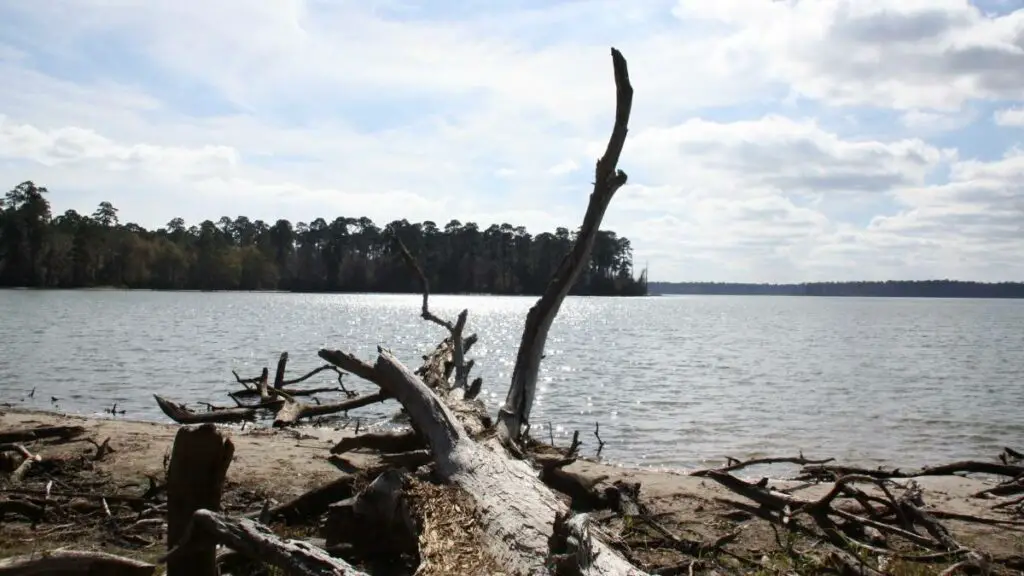
18. Possum Kingdom Lake
The top five reservoirs with the clearest water in Texas, according to the Texas Commission on Environmental Quality, are:
Possum Kingdom Lake is quite popular as PK with a 30.93-square mile or 19,795.2-acre reservoir. The main reason for the popularity of Possum Kingdom Lake is that it is the home to Hell’s Gate Cliffs.
If you are interested in exploring the wonders of natural beauty, Possum Kingdom Lake is a place that you shouldn’t forget to visit. On the other hand, Possum Kingdom Lake is located next to the Possum Kingdom State Park as well.
Hence, people come to Possum Kingdom Lake to take part in watersports, such as fishing and boating.
The lake is located around 40 minutes of drive from Fort Worth in the north direction.
It is a lake located more than 400 meters above sea level. Due to the same reason, you can discover how a unique ecosystem has been created around this lake as well.
Possum Kingdom Lake is a picturesque lake as well. That’s mainly because of the cliffs that are located next to it. On the other hand, the surrounding rolling hills and clear water are contributing a lot to the natural beauty of Possum Kingdom Lake.
There are numerous good-looking homes constructed around the lake as well.
If you are coming to Possum Kingdom Lake, you can think about staying at the Cliffs Resort & Spa. It is offering fascinating views of the lake during the stay.
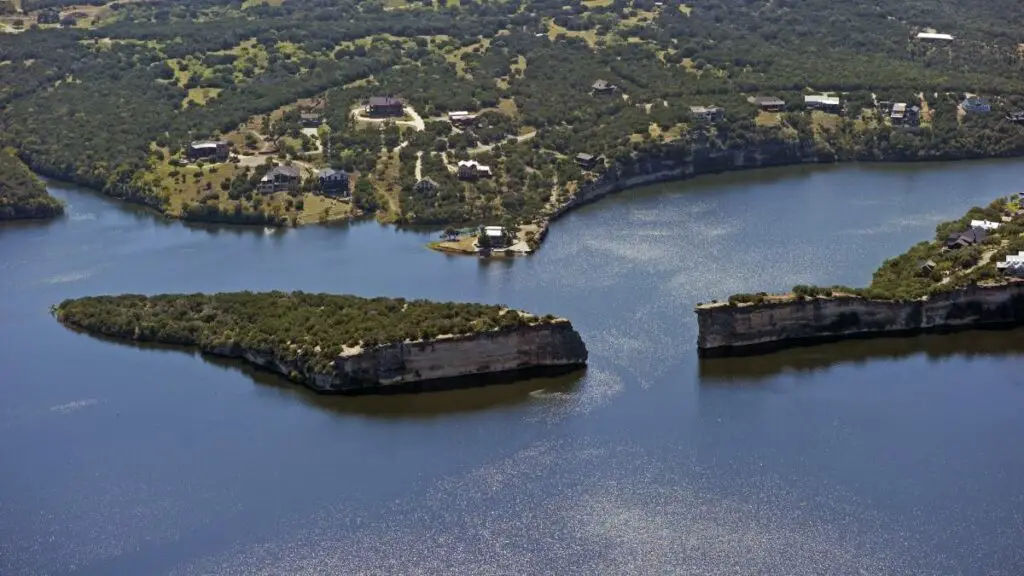
19. Lake Travis
is located on top of the Colorado River with 29.58 square miles in surface area or 18,931.2 acres. This lake can be found in the central region of the state. This is another manmade lake that you can find within the state.
It was established along with the construction of Mansfield Dam. Lake Travis is having a shoreline that extends up to 400kms. Moreover, it is covering a total area of 7,660 acres.
Among the most popular lakes that you can find within the state of Texas, you can find the name of Lake Travis as well. That’s because there are numerous recreational activities available for the people to take part in while they are at Lake Travis.
For example, you can find how thousands of people come to Lake Travis every single year to take part in recreational activities.
The most popular recreational activities that you can find in the lake include scuba diving, boating, and swimming. On the other hand, you can call Lake Travis the home to many fish species, such as sunfish, catfish, and bass.
On the lengthy shoreline of Lake Travis, people can spend quality time picnicking and camping. On the other hand, Lake Travis is the main lake that you can find in Hippie Hollow Park.
This is one of the most popular destinations for nudists. On the other hand, we can see how the gay and lesbian community is organizing numerous events near Lake Travis throughout the year. Splash Day is a perfect example of such an event.
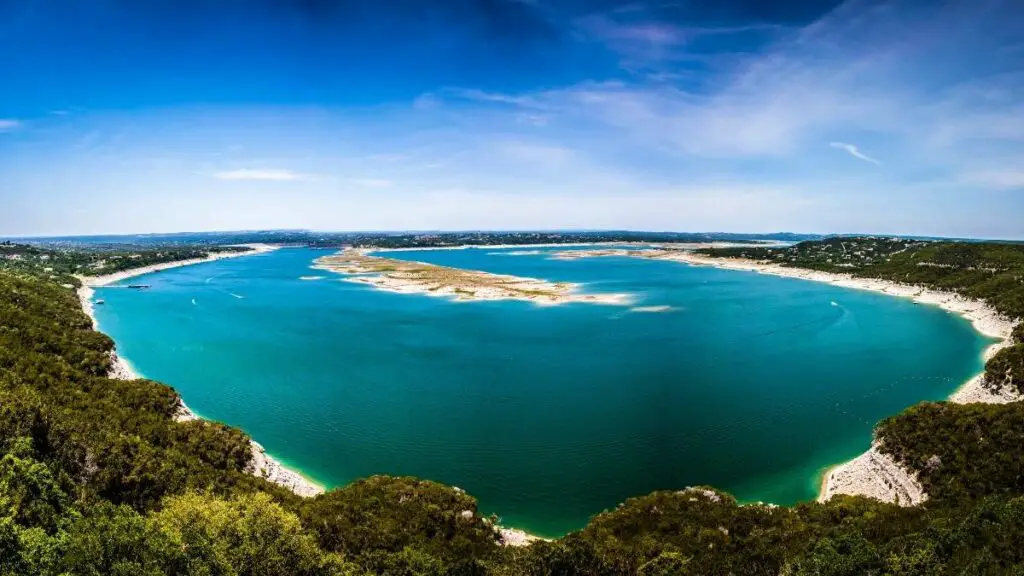
20. Lake O’ the Pines
is one of the most beautiful lakes that you can find within the state of Texas with a total surface area of 29.19 square miles or 18,681.6 acres. That’s because the lake is surrounded by pine trees. That can also be considered as a reason behind the name of this lake.
You can consider Lake O’ the Pines a popular place for fishing. People who engage in fishing by the Lake O’ the Pines will be able to proceed with catching numerous varieties of fish, including chain pickerel, catfish, white bass, and largemouth bass.
On the other hand, it covers an area of 756 square kilometers. Hence, you can include this among the list of the largest lakes in Texas as well.
Around Lake O’ the Pines, you can find numerous marinas. Hence, boating is quite a popular activity among people who visit this lake for recreational purposes.
It is possible to simply walk into one of the marinas and hire a boat. Camping grounds, boat ramps, and parks are all around the lake. Hence, no person who comes to Lake O’ the Pines for recreational purposes will end up with disappointments.
An interesting fact about Lake O’ the Pines is that you can find seven different parks around the shorelines of the lake.
Hence, it is a perfect spot available for people who wish to go ahead with camping adventures. The parks are offering all basic facilities needed for camping, such as restrooms, playgrounds, boat ramps, and picnic tables.
Final words
Now you are aware of the biggest lakes in Texas. This list includes the largest man made lake in Texas and the largest natural lake in Texas as well. As you understood from this list, Texas is a perfect state available for anyone to have quality time with natural beauty. You will be able to plan how to visit these lakes and ensure that you are getting the most enjoyable experiences offered out of them.

Proud owner of https://travelyouman.com/

An interesting read and the photos are stunning!!!
Thank you! sadly compression is a thing with photo’s on blogs but still they are stunning 😀
You are most welcome!! Oh, I cannot fault the quality – I opened the page on a PC screen and they looked just fine! 🙂
These are beautiful <3 I really like #9.
Beautiful water bodies!
how lovely! great to learn about TX 🙂
Beautiful write up and great captures!
For some reason I imagined Texas as a dry state – these are beautiful!
It’s a big state..one of these days I may go there. 🙂 Your lake list makes it enticing.