
Florida is a state that is quite popular for the amazing beaches. On top of that, you can discover a large number of entertainment parks within Florida as well. Apart from these, you will also be able to find numerous lakes located within the state of Florida. These lakes are offering some unique experiences to the people who live within the state and travelers who come to Florida from different parts of the world.
The lakes in Florida are quite popular among tourists and snow birds during the winter season. On the other hand, we can also see how numerous events are being organized at the lakes in Florida throughout the entire year. No matter what, these lakes are offering a bunch of fascinating experiences to all the people. While keeping that in your mind, you can think about exploring the lakes. TO make your life easy in exploring the lakes of Florida, we will share details with related to 20 of the biggest and best lakes in the state that you can find as of now.
1. Lake Okeechobee – Largest manmade lake in Florida
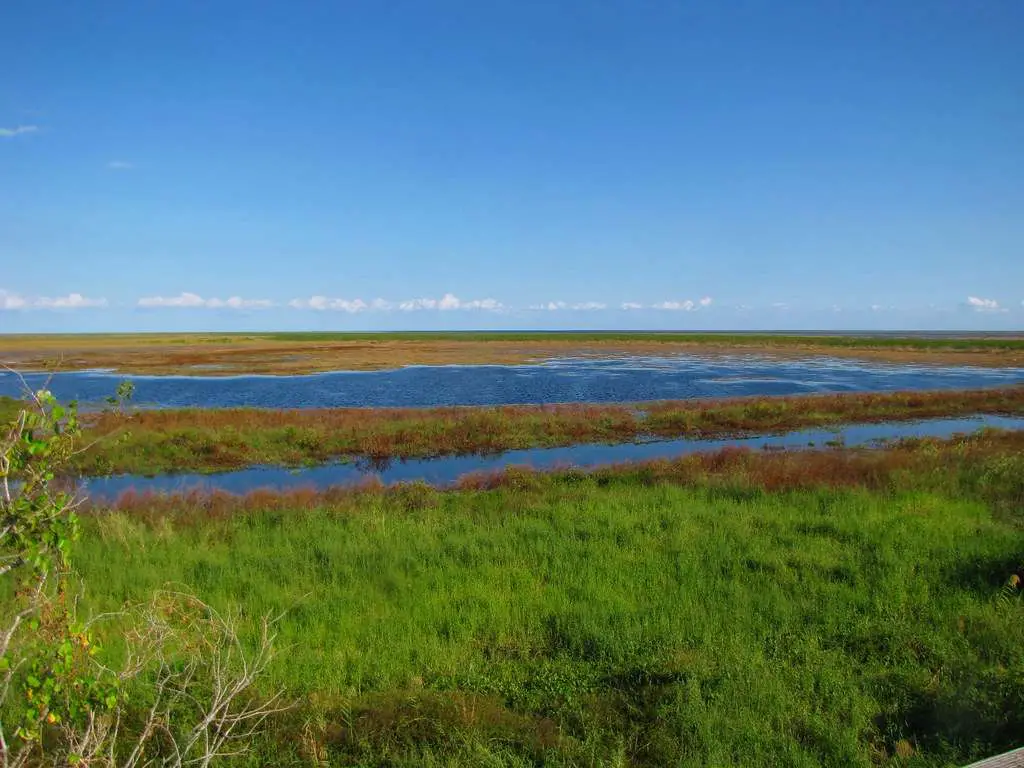
Lake Okeechobee is the largest manmade lake that you can find in Florida as of now. This massive lake is spanning across an area of more than 451,000 acres.
You can even call it as the largest lake that is found within Florida as of now. Even though this is the largest lake in the state, it only has a depth of around 9 feet.
This will clearly show the beauty of engineering.
The Lake Okeechobee is associated with the Okeechobee Waterway. This is a massive body of water, which is connecting the Atlantic Ocean along with the Gulf of Mexico.
The Lake Okeechobee is a natural lake. Hence, you can call Lake Okeechobee as a man-made lake, which is based upon a natural lake.
According to some of the recent excavations conducted in the region, evidence for a receding ocean has been discovered as well.
People believe that this area was covered by the ocean around 6,000 years ago.
If you are coming to Lake Okeechobee, you should engage with fishing. That’s because the lake is offering some outstanding fishing opportunities.
You can also catch a variety of fish, including crappie, bass, and catfish.
Due to the presence of a large number of fish, you can also see how numerous large-scale fishing tournaments are being organized in here.
You will be able to explore the lake via Clewiston in Florida.
In other words, the best method available for you to explore Lake Okeechobee would be from the Southern Shore of it.
Read: Biggest Lakes In The United States Of America [Top 20]
Learn about the Lake Superior Largest Lake in the USA
2. Crescent Lake – Largest natural lake in Florida
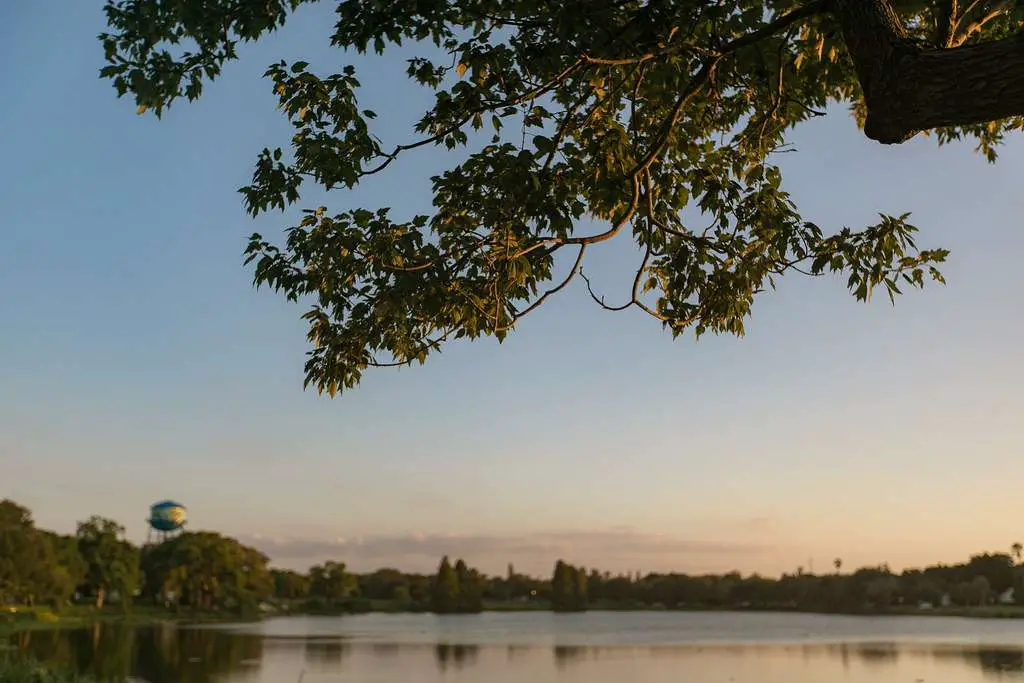
The largest natural lake that you can find in Florida as of now is the Crescent Lake. This lake is spanning across a total area of over 16,000 acres.
This natural lake is well-known for the beautiful sceneries that it is offering to the guests. On the other hand, this lake is offering clean water for the people as well.
Hence, nobody should be worrying about coming to experience the natural beauty in this lake.
As you explore the lake, you shouldn’t forget to take a look at the Crescent Lake Conservation Area as well.
This area is responsible for providing water to this natural lake. On the other hand, the conservation area is responsible for protecting wildlife as well.
If you can come to this region during winter season, you can discover lots of migrant birds. Among them, bald eagles, ospreys, and waterfowls hold a prominent place.
You can discover lots of opportunities to have fun in this region as well.
Some of the most popular activities out of them include camping, biking, horseback riding, and hiking. You may also go ahead with fishing in the lake.
In case if you are a good angler, you will get the opportunity to catch lots of crappies, catfish, panfish, and bass.
This region is quite popular among the nature photographers as well. You can capture picturesque views of the surroundings during the time you spend by the Crescent Lake.
Learn about the largest natural lake in Texas
3. Cypress Lake – 2nd largest lake in Florida
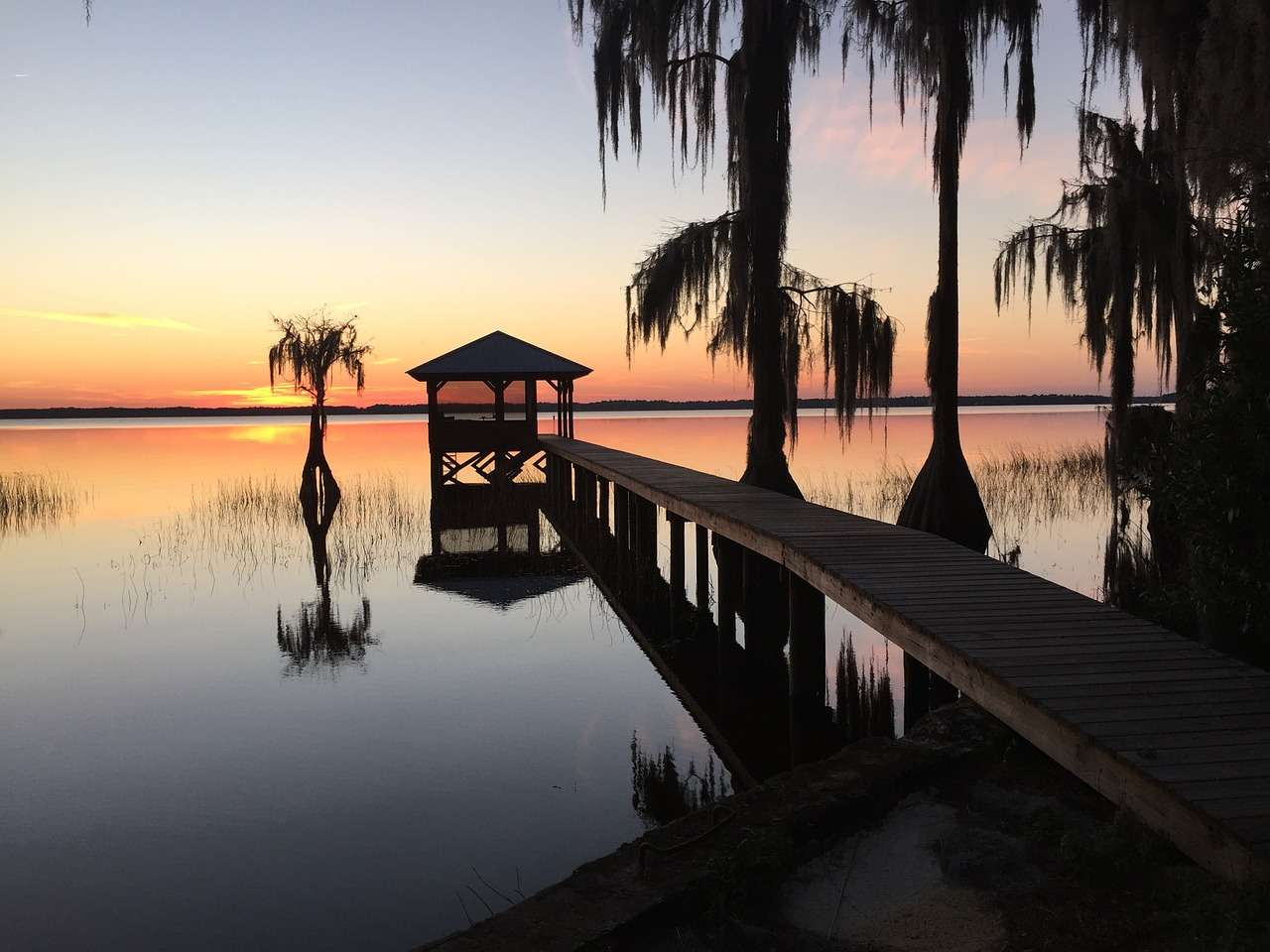
Many people call Cypress Lake as the second largest lake in Florida. This lake is offering a total area of over 4,000 acres.
The lake is located within Osceola County. The lake is made out of numerous water bodies as well.
In fact, all the lakes that have been combined for the creation of Cypress Lake are shallow. They offer a depth of around six feet.
Due to the same reason, most people prefer to go on swimming in this lake. You will be able to get yourself into a relaxed mood by the side of this lake.
The lush surroundings you can find around the lake will contribute a lot towards the great experience that you can secure.
Another great thing about this lake is the diverse wildlife that you can find.
Lots of birds including waterfowls and eagles depend on the water offered out of this lake. Moreover, the lake is quite a popular attraction among the nature photographers.
You can have a great time as you are exploring the lake. There are multiple opportunities available to explore the lake as well.
Among those different methods, Airboat rides have been able to receive lots of attention.
You will not just be able to explore water, but you will also be able to experience the diverse wildlife as you go ahead with this ride.
If you engage with fishing at the Cypress Lake, you can secure a perfect experience.
This is because you can find many different types of fish in the lake, which include largemouth bass, black crappie, and bluegill.
You can bring your own boat to explore the lake or do it on your own.
Even if you don’t get the opportunity to catch any fish, you will fall in love with the lovely experiences delivered throughout the day.
Read: Biggest Lakes In New York [Top 20]
Learn about the largest clear clean water lake in New York
4. Deer Point Lake – 3rd largest lake in Florida
The third largest lake you can find in Florida is the Deer Point Lake. Water from this lake is being used for irrigation and recreation purpose.
In fact, you can call that water present at this lake is being used for public purposes. Water present within this lake is at subtropical temperatures.
Tourists from all around the world come to the Deer Point Lake to enjoy camping, fishing, and canoeing.
Apart from these, you can find numerous other recreational activities being organized in here. This lake is having a size of over 3,500 acres.
The water in Deer Point Lake is nurturing the wildlife in the region as well. On top of that, it is among the most prominent fishing spots that you can find in the region.
You can discover two different fishing camps located at the Deer Point Lake.
All you have to do is to get to one of those fishing camps, so that you can enjoy a great time with fishing. You will never find it as a challenging experience to enjoy fishing here at the Deer Point Lake.
If you are coming to the Deer Point Lake in a long weekend, you can expect to find lots of crowds. That’s something you will need to bear in your mind as you come here.
Learn about the largest and deepest lake in Ohio
5. East Lake Tohopekaliga – deepest lake in Florida
People often tend to call East Lake Tohopekaliga as East Lake Toho as well. This lake is located in the southern region of Orlando.
In fact, East Lake Tohopekaliga is a lake that you can find in central Florida. The lake is massive, and it is covering a total area of almost 12,000 acres.
You can also call this as the deepest lake present in Florida as of now.
This lake is circular in shape. In fact, the East Lake Tohopekaliga is a part of the chain of lakes, which are created from the Kissimmee River.
The depth of this lake is around 150 feet.
Since East Lake Tohopekaliga is among the most beautiful lakes that you can find in the state, tourists are being attracted to the beauty.
Clear water can deliver a fascinating view to them. On the other hand, this lake is offering an ideal environment for numerous outdoor activities as well.
If you are looking for a way to explore the East Lake Tohopekaliga, you can think about renting an airboat.
However, there are guided tours arranged with flat bottomed boats as well. They will glide through water and offer a smooth experience.
You will also be able to explore wildlife of the surrounding region as you continue to explore the lake.
In fact, people who come here are provided the chance to explore wildlife closely.
You can think about coming to the East Lake Tohopekaliga as a family picnic. That’s because all your family members can enjoy the time spent in here.
There are kids playgrounds, family friendly picnic areas and a ramp for boats available. You may also think about fishing here at the East Lake Tohopekaliga.
Some of the fish that you can catch during your fishing adventures include Bluegill, catfish, black crappie, and largemouth bass.
This lake is among the most beautiful lakes you can discover in the country as of now.
Learn about The shallowest lake in Pennsylvania
6. Johns Lake-longest Lake in Florida
The Johns Lake is located in between Clermont and Orlando. You can call this as the longest lake in Florida.
The lake is covering a total area of more than 2,400 acres. However, the lake has an odd shape, and it is divided into multiple parts.
That’s the main reason to call this as the longest lake that you can find in Johns Lake.
In fact, the different lakes are connected to each other through a series of channels. This lake is around 3 miles long.
The Johns Lake is a relatively shallow lake available for you to explore as of now. You will therefore be able to go ahead with swimming as you spend your time at this lake.
You will be able to get a fun-filled experience as you continue to explore the lake by boat as well.
However, it is important to keep in mind that the coastline of this lake is not highly developed.
You can find few private residences in the coastline, which are unspoiled and peaceful.
People who love bass fishing often tend to come to the Johns Lake. You can find lots of bass fish within the waters at Johns Lake.
You may also think about camping here at the Johns Lake. However, no designated campgrounds are available in the region.
You will have to camp on the primitive locations found in the shoreline. This can provide a unique experience to you.
Learn about the largest body of water wholly contained within Illinois
7. Lake Apopka – largest body of water in Florida
Lake Apopka is offering the largest body of water among the different lakes that you can find in Florida as of now. This massive lake is ideal for bass fishing.
In fact, it has been able to receive attention as a world class fishing spot for bass fishing. A large number of fishing tournaments are being organized in here as well.
This lake is offering over 4,800 square acres of water.
The Lake Apopka is quite popular for clear water. You can discover a large number of fishing camps in the surroundings as well.
However, agricultural activities are also being taken place in the surroundings. The Lake Apopka is quite different from other lakes that you can find in Florida as well.
In fact, you might notice how this lake is offering green colored water. This is due to the presence of algae in the waters of the lake.
Due to the same reason, you can often find dead fish floating on the water as well.
The lake is being recovered and cleaned on a regular basis to minimize the negative impact caused by this.
Learn about the largest natural lake in California
8. Lake Blue Cypress – the largest lake by volume in Florida
When you start looking for the largest lake in Florida by volume, you will come across the Lake Blue Cypress. This lake is located around 20 miles away from the Vero beach.
It is spanning across an area of more than 6,500 acres. The lake is quite popular for the cypress trees that are surrounding it.
You will also be fascinated by the views of the morning sun that overlook the lake.
People who are looking for a perfect vacation by the nature can think about coming all the way here to the lake.
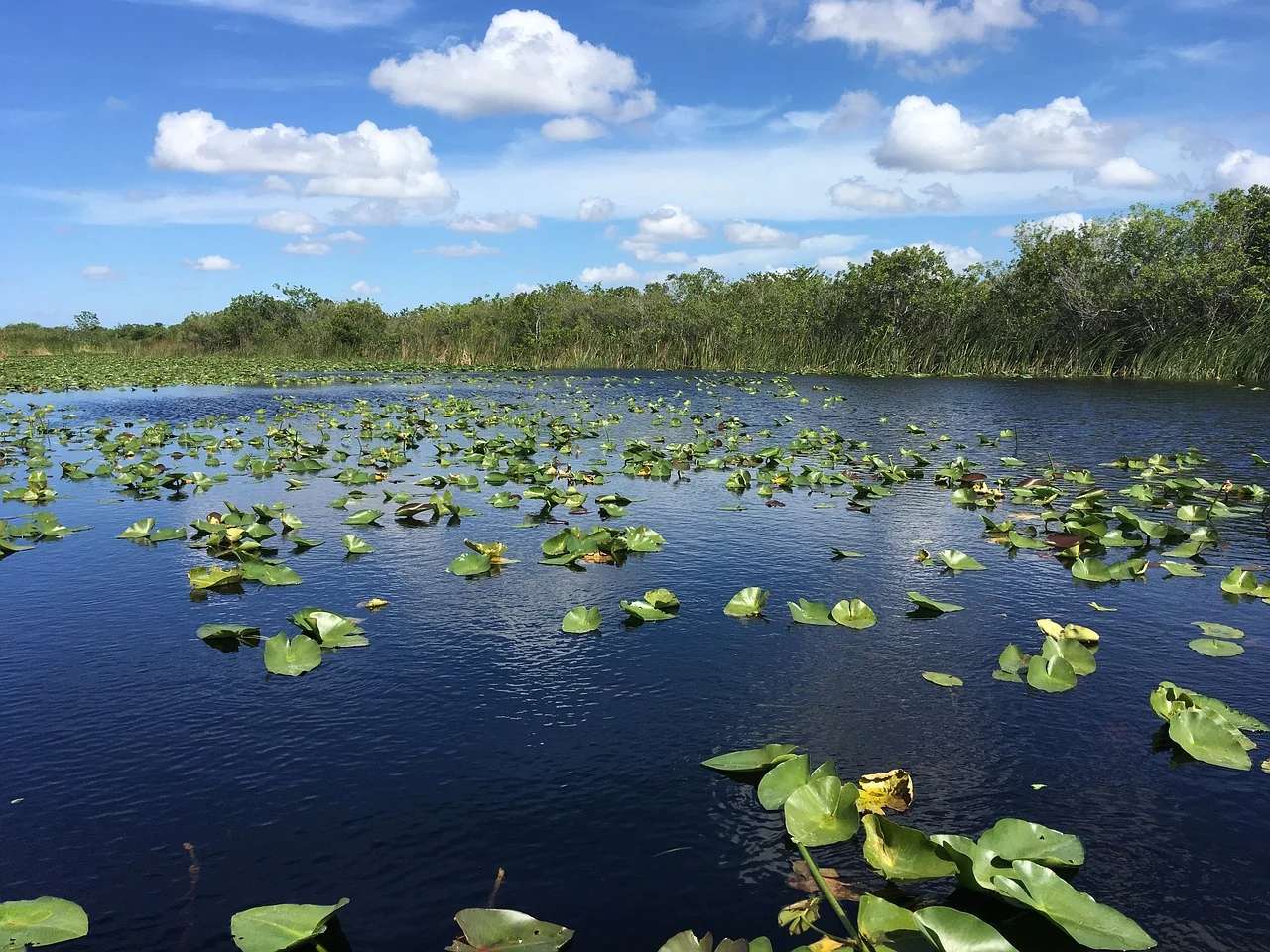
The Lake Blue Cypress is fueled by the St. Johns River. This river is ending up in the Atlantic Ocean. Around the lake, there are numerous swamps, cypress forests, and marshes.
People who are coming to the Lake Blue Cypress for recreational purposes can take a look at the blue Cypress Park, which is located on the western bank of the lake.
This is where you can find two covered pavilions, two boat launches, and a floating dock. Apart from them, you can also discover a camping site in here.
This place is quite popular among people who spend their time with hiking and canoeing.
On top of everything, you can call Lake Blue Cypress as a great destination available for fishermen.
That’s because the entire Lake Blue Cypress is filled with a variety of fish species, including warmouth, shellcrackers, crappie, largemouth bass, catfish, chain pickerel, and bluegill.
You can also join them and engage with fishing during the time that you are spending at Lake Blue Cypress.
You may also explore wildlife as you spend your time within the Lake Blue Cypress.
Learn about the lake Michigan the second-largest of the Great Lakes by volume
9. Lake Como – the biggest northern lake in Florida
While hunting for the biggest northern lake in Florida, you will come across Lake Como. This is a blue and unusually clear lake.
Moreover, you can call this lake as the home to few fish and plant species. The Lake Como is not the biggest lake that you can find in the entire state.
It is spread over a distance of 245 acres. The average depth of this lake is around 10 feet.
You can discover a beautiful wildlife forest, which is located next to the Lake Como. This will provide a large number of activities for you to engage with.
The time that you spend at Lake Como will never be boring. You can discover a massive area that covers more than 54 acres of water in this region as well.
Fishing is quite a popular activity that you can find in here. You will also be able to find an aquarium created along with the lake.
In fact, this aquarium was created by the local school as a part of the educational program initiated by them. Moreover, you can discover an observation tower in the Lake Como.
You have the chance to get to the top of the observation tower and explore the unique experiences offered out of Lake Como.
During winter, birdwatchers are coming to the Lake Como to get a better view of the migrant birds who are coming here.
The Lake Como is home to numerous bird species such as ospreys, bald eagles, white ibis, and cranes.
Read: Is Traveling A Hobby? The Ultimate Guide To An Exciting Way Of Life
Learn about the Downsides Of Traveling As A Hobby
10. Lake Dora – the biggest southern lake in Florida
When you go through the list of lakes found in the southern region of Florida, you will figure out that Lake Dora is holding a prominent place out of them.
This lake is a part of the Harris Lakes. The lake is massive in size. On the other hand, it is a lake that is filled with fish as well.
If you are looking for a place to relax, you can think about coming all the way to the Lake Dora. That’s because you can find a peaceful environment around this lake.
This lake is offering over 9,000 square miles.
The Lake Dora is quite popular among people during weekends. That’s mainly because you have the chance to access Lake Dora within a 30 minute drive from Orlando.
The time you take to come to this lake is capable of delivering a large number of beautiful and amazing experiences to you.
People who wish to overcome the hustle and bustle of Orlando city living can come to Lake Dora.
You can get a first class experience while you are fishing at the Lake Dora.
However, the number of fish that you can find in this lake is reducing along with time, especially due to the pollution that the lake is experiencing during the recent past.
This is something that you will need to keep in mind as you come to the Lake Dora.
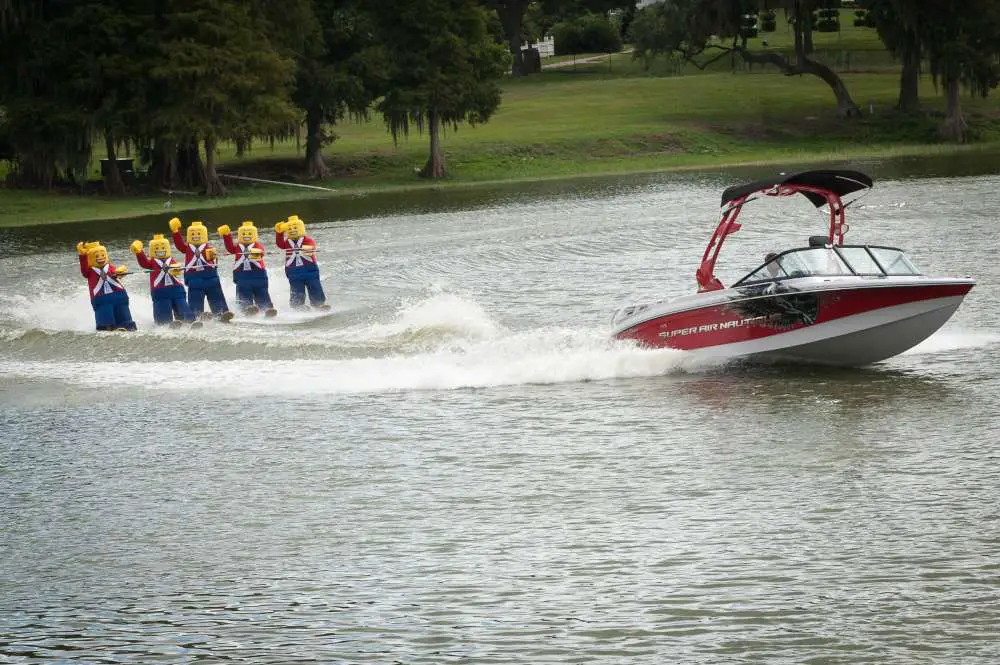
This lake is ideal for jet skiing, water skiing, kayaking, canoeing, and wind surfing as well.
11. Lake Eloise – biggest freshwater lake in Florida
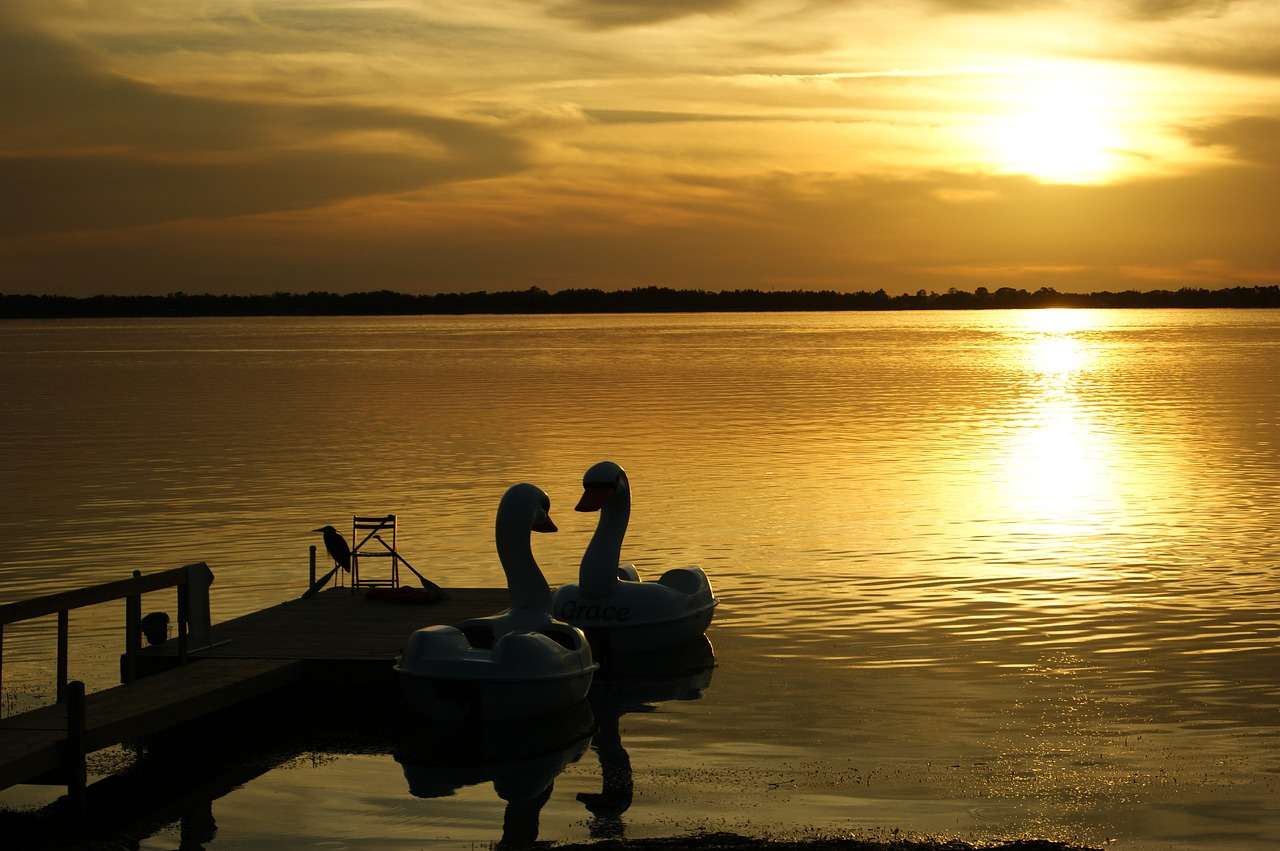
In the massive state of Florida that has freshwater lakes, Lake Eloise is called as the biggest one. You can get a picturesque shore in this lake.
It is filled with quaint cottages as well. You will fall in love with the unique experiences that you can secure during the time that you are spending in here.
You can get a relaxed experience as you continue to stay at the Lake Eloise. This is among the oldest tourist attractions you can find in the state as well.
In fact, Lake Eloise was opened to the guests as a tourist attraction in the year 1936. The lake is covering a total area of more than 167 acres. This is the home to more than 8,000 plant species.
It is possible to call Lake Eloise as a great place for you to fish and engage with jet skiing.
The lake is filled with largemouth bass, bluegill, and crappie. However, you should keep in mind the challenges that you will have to face as you are accessing Lake Eloise.
In fact, you will only be able to access Lake Eloise via a canal. You can find some boat ramps in the nearby regions as well.
The lake is quite happening during weekends. If you want to relax at Lake Eloise, you should come during weekdays. Or else, you can come here during the weekends.
12. Lake George – largest reservoir in Florida
Lake George is the largest reservoir that you can find in Florida as of now. This lake is covering a total area of more than 46,000 acres.
Even though this reservoir is massive, it is not a deep one. In fact, Lake George is among the shallow reservoirs that you can find in the region.
The depth of Lake George would usually range in between 3 to 12 feet. Hence, you don’t have to think twice before you go ahead with swimming in the Lake George.
Water to the Lake George is coming from the St. Johns River. This river is then flowing into the Atlantic Ocean.
The slow water stream of the river is sometimes bringing in salt water to the lake as well. Due to the same reason, you can discover a large number of plants in the Lake George.
Around the Lake George, you can discover a large number of fish camps. In fact, it is a common sight to see fishermen around this on a regular basis.
Largemouth bass is the most common type of fish that you can find. Along with them, you can also find bluegill and striped bass in here.
The Lake George is contributing a lot towards the betterment of the local economy as well.
Moreover, you will notice how the Lake George is located in close proximity to the Ocala National Forest.
There are numerous free things to do while you are exploring Lake George.
They include activities for adults as well as kids. Hence, you can think about coming to Lake George along with your loved family members and enjoying the best experiences that come on your way.

13. Lake Griffin – the cleanest lake in Florida
If you are looking for the cleanest lake in the state of Florida, you should be taking a look at the Lake Griffin.
This lake is covering a total area of more than 9,500 acres. It is fed by the Ocklawaha River. The Lake Griffin is not just a lake with clean water. It is long and shallow as well.
On the other hand, you will be able to find lots of heavy boating traffic on the waters of the lake.
The Lake Griffin has been able to remain natural from the past. This is the main reason on why you can call it as a clean lake in the region.
You will still be able to find two marinas in the lake as well. They are providing fishing necessities that you would need, along with boat launch ramps.
Due to the presence of clean and pristine water, nature photographers often come to explore the Lake Griffin.
You can also find a lovely campground that is surrounded by oaks. It delivers a perfect natural getaway for you.
There are lots of hiking trails that you can find around the park as well. If time permits, you can think about exploring them as well.
No matter what, fishing remains as one of the most popular activities that you can find in the Lake Griffin.
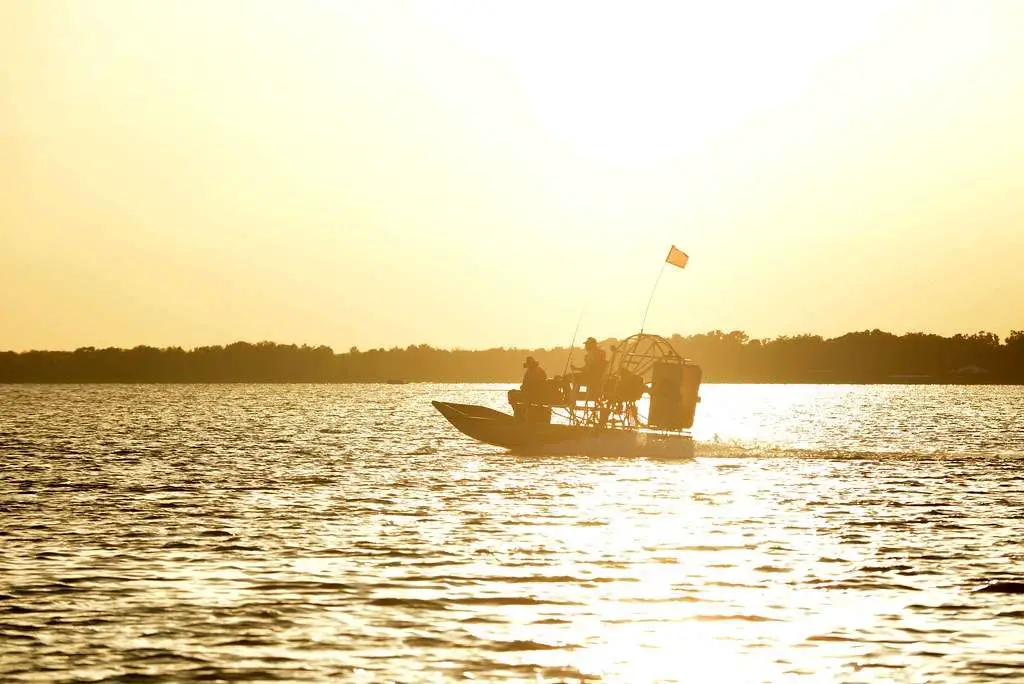
14. Lake Harris – the most dangerous lake in Florida
Lake Harris is not a lake that you can think about visiting for recreational activities. This is among the most dangerous lakes that you can find in the state of Florida.
The lake is massive, and it is covering more than 13,700 acres. One of the interesting facts about Lake Harris is that it is located near the Disney World.
In fact, people can reach Lake Harris from the Disney Sea World by traveling for a distance of 31 miles.
On the southern bank of Lake Harris, you can find private homes. Then you can find some commercial and industrial properties located around the northern side of the Lake Harris.
You can also find two different boat ramps in the Lake Harris. One of the biggest reasons to call this lake as one of the most dangerous lakes in Florida is because of the depth.
It is never a safe place for you to go ahead with swimming. The Lake Harris is located at a prime fishing location.
Due to the same reason, you can continue to enjoy your time with fishing as you stay at Lake Harris.
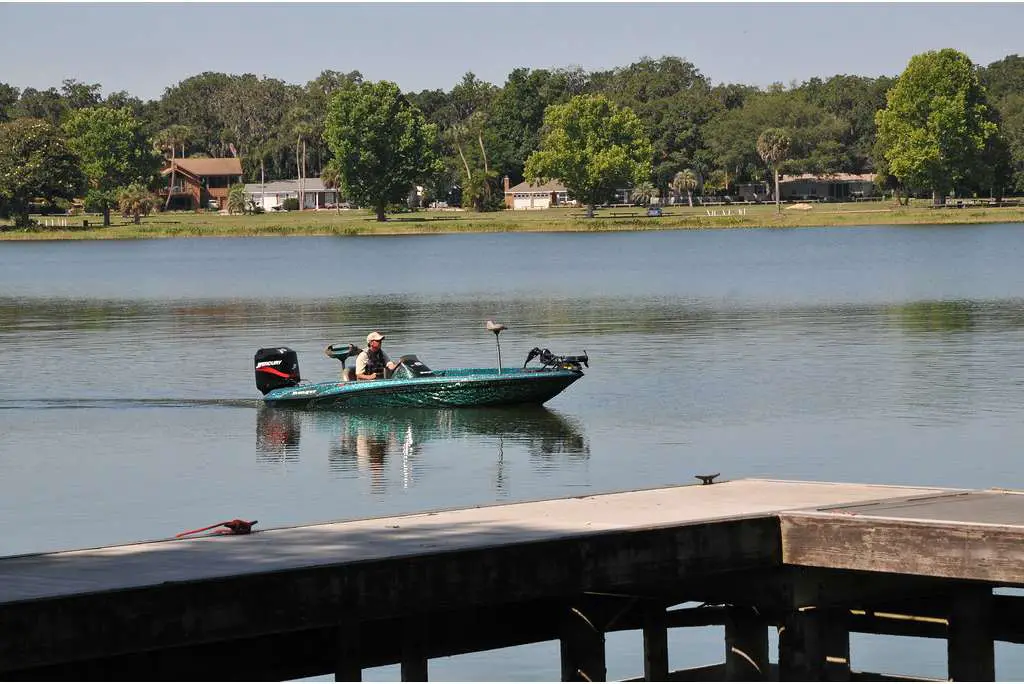
15. Lake Iamonia – the prettiest lake in Florida
If you have a thin for pretty lakes in Florida, you should be visiting the Lake Iamonia. It is among the best looking lakes that you can find within the state as of now.
This lake is located in the north eastern region of Tallahassee. Even though Lake Iamonia is a good looking lake, we cannot recommend it for the people who wish to go ahead with fishing.
The average depth of the Lake Iamonia is around five feet. Hence, it is ideal for the wading birds and frogs.
You can call Lake Iamonia as a prairie lake. In other words, the Lake Iamonia would drain during the dry season. If you are keen to explore the beauty of Lake Iamonia, you should be coming here during the wet season.
Since this is a prairie lake, you can find an ideal environment for the growth of water plants. These water plants are contributing a lot towards the beautiful looks of the lake.
On the other hand, Lake Iamonia is acting as a massive breeding ground for fish as well.
There are some popular fishing contests taking place at the Lake Iamonia from time to time. If you can come to Lake Iamonia during the wet season, you can enjoy them as well.
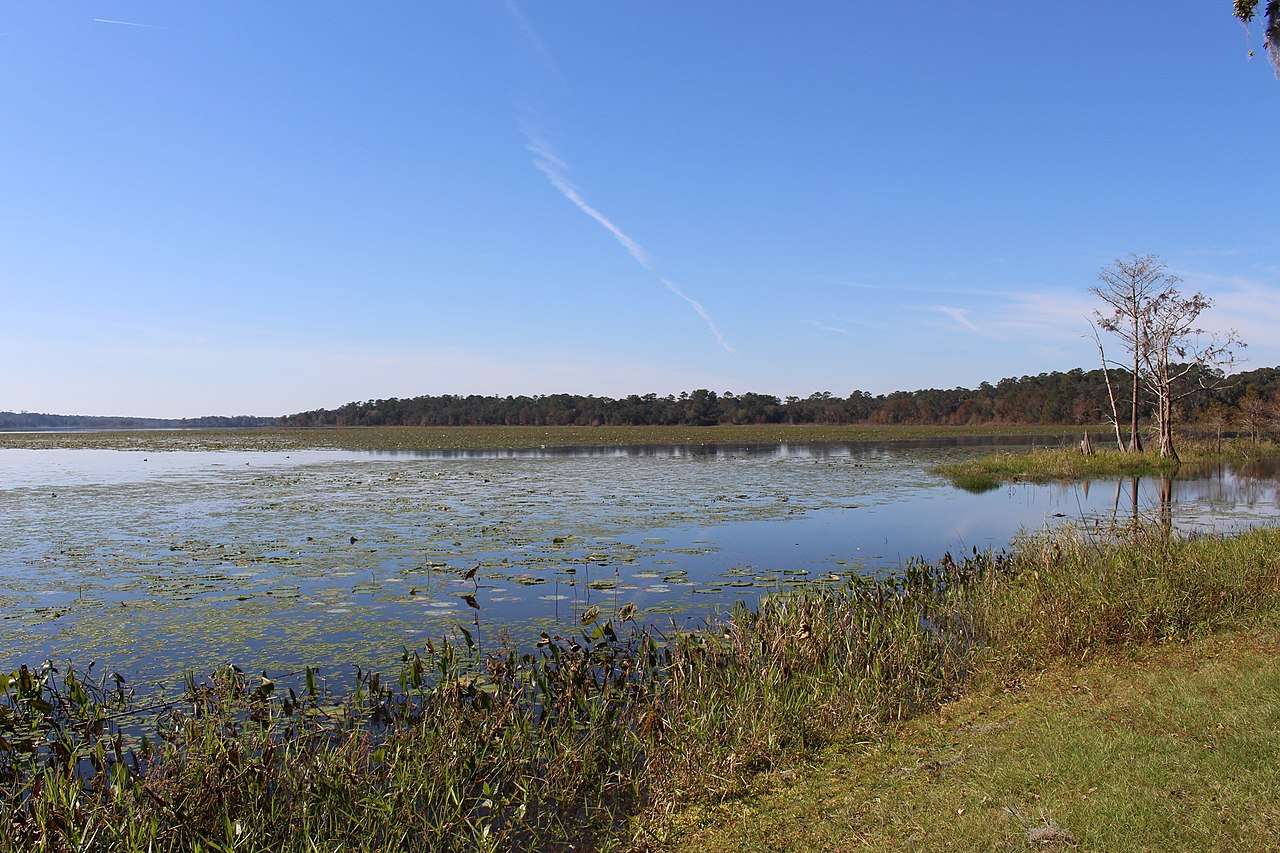
16. Lake Istokpoga – the coldest lake in Florida
Lake Istokpoga is a lake that you can find in the Highlands Country.
Florida is not a cold state. Due to the same reason, you will not usually be able to find any cold lakes in the state.
Among the lakes that you can find in the state, Lake Istokpoga can be considered as the coldest lake. That’s why we thought of including it in the list.
The Lake Istokpoga is spanning across an area of more than 27,500 acres. In other words, the Lake Istokpoga is five miles in width and 10 miles in length.
The banks of Lake Istokpoga are filled with interesting nooks and crannies. You can continue to explore them as you are here.
Even though the Lake Istokpoga is massive in size, it is not a deep lake. The average depth of the Lake Istokpoga would vary from 4 to 10 feet.
You may think about swimming in this lake. Bass boats and air boats are available for you to rent, which you can use to go ahead with your fishing adventures in the lake.
However, it is important to understand that boat traffic is quite high near the fishing spots of the lake.
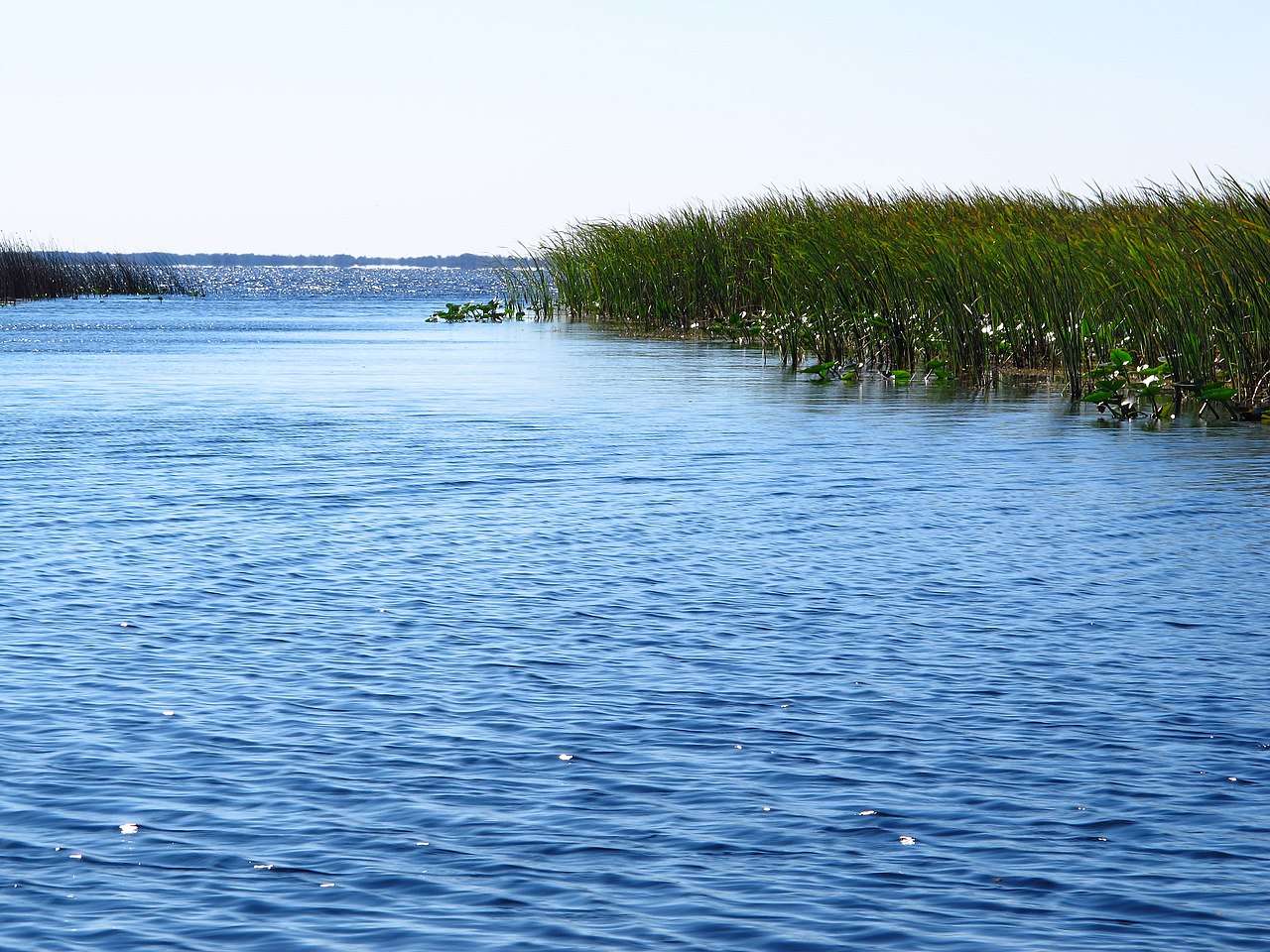
17. Lake Jackson – the widest lake in Florida
Lake Jackson is a lake that spans over an area of more than 4,500 acres. This lake is present in the Panhandle East Region.
If you take a look at the dimensions of the lake, you can think about calling it as the widest lake present within the state as of now.
However, the Lake Jackson is quite different from the rest of the lakes. That’s mainly because this lake is disappearing once in every 25 years.
Inside the Lake Jackson, there are two different sinkholes. These two sinkholes are located within the flat sandy bottom.
The sinkholes are playing the role of drainage outlets. These two sinkholes can even drain the entire lake overnight.
If you are a nature lover, you will love the idea of coming to Lake Jackson.
That’s because you will be able to get closer to the nature and enjoy the unique experiences offered.
You will also have many other adventurous activities to engage with as you ar exploring Lake Jackson They include canoeing, jet skiing, sailing, water skiing, and kayaking.
There are some parks located on the shoreline of this lake as well.
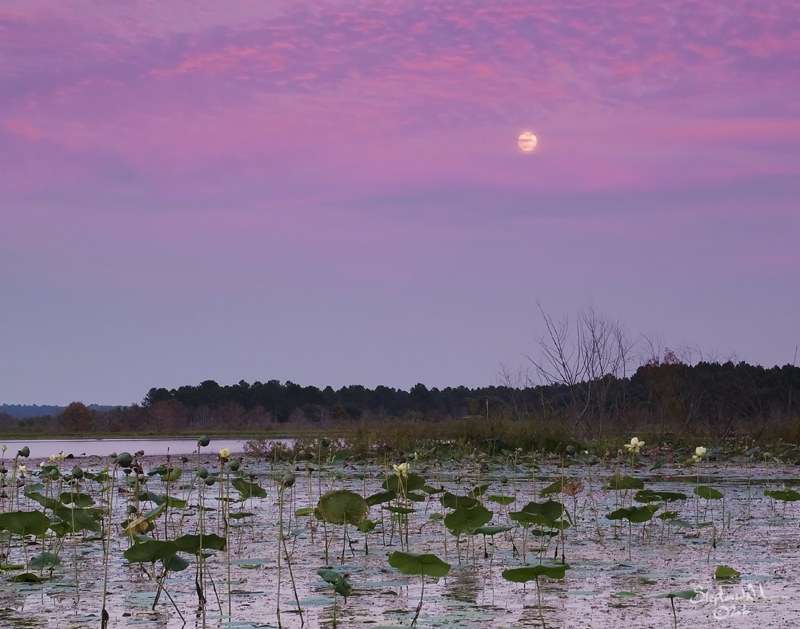
18. Lake Kissimmee – the bluest water in Florida
The Lake Kissimmee is quite popular because of the blue waters present in it. This is a massive blue water filled lake, which is covering a total area of more than 34,900 acres.
You will be provided with numerous great ways to explore and enjoy the time that you are spending at this lake.
On the other hand, you will also be able to go ahead with hiking adventures and enjoy what the lake can deliver to you.
There are some outstanding hiking trails that you can find in then surroundings of this lake.
People who wish to get a first class fishing experience may take a look at this lake as well. There are numerous fishing opportunities available for you to consider.
You will also be able to witness a variety of animals as you spend your time along with fishing in this lake.
Some of the most popular animals that you can spot as you explore Lake Kissimmee include bobcats, bald eagles, and white-tailed deer.
The Lake Kissimmee is quite popular among people who are coming to enjoy romantic weekends.
There are developed facilities to cater to the needs of all those people in the surroundings of Lake Kissimmee as well.
Hence, you will never regret about the idea of coming all the way to the Lake Kissimmee.
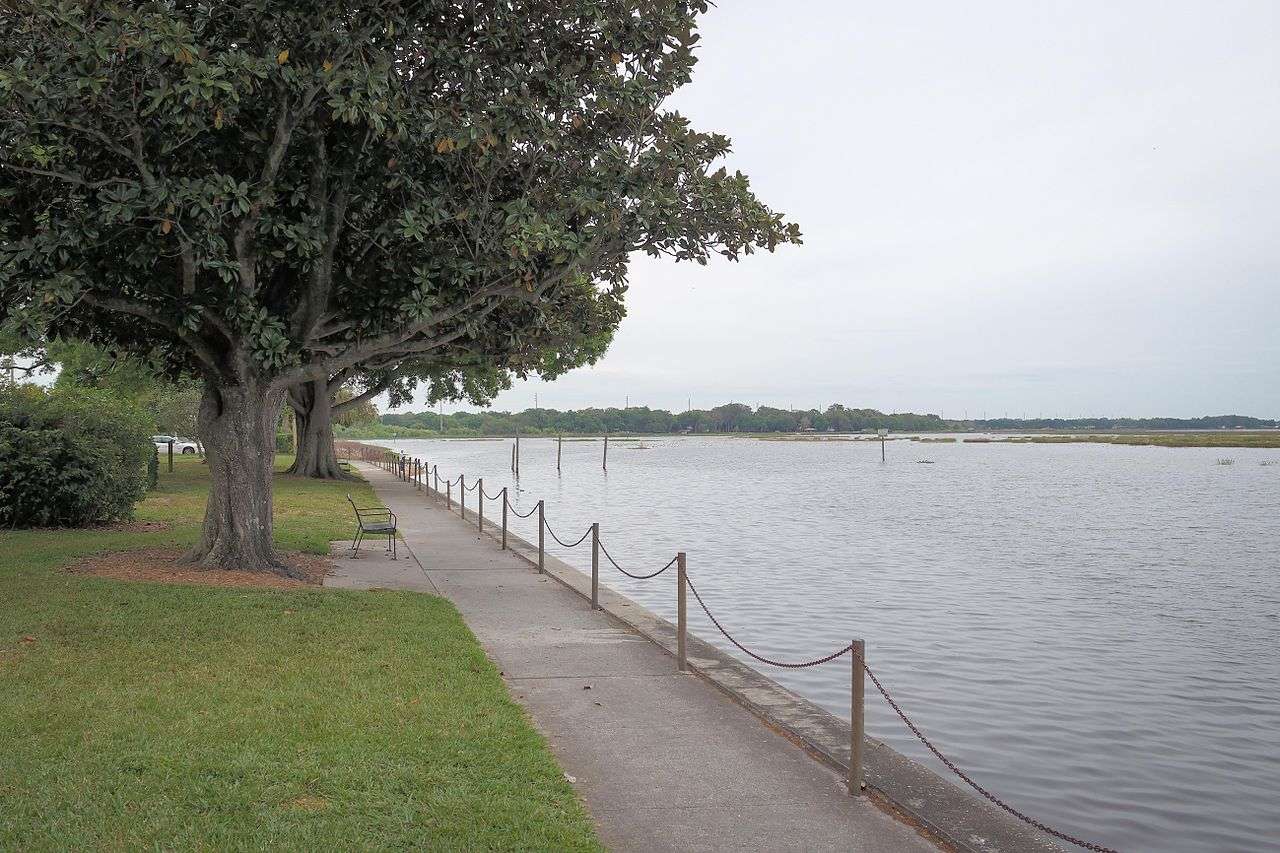
19. Lake Rosalie – abandoned Lake in Florida
Lake Rosalie is a lake that you can find in the West Central Florida.
You may think about calling this as an abandoned lake in the state of Florida. That’s because nobody really notices this lake at all. It is the home to numerous animals.
The Lake Rosalie is fed with water that is given by the Kissimmee River. The wetland area that you can find around Lake Rosalie is increasing along with time.
As a result, it is continuing to attract numerous animals, including egrets, ospreys, cranes, and eagles. You can find few campgrounds by the Lake Rosalie as well.
However, not a lot of tourists come to spend their time in the camp grounds.
You can also discover a smaller number of homes in the shoreline of Lake Rosalie. This is a natural and uninhabited lake.
The Lake Rosalie is home to alligators as well. In fact, the alligators are provided the chance to roam around freely in the region because a lot of people don’t come here.
Still, people come to the Lake Rosalie for fishing. You will also be able to see how some bass fishing tournaments are being held in here as well.
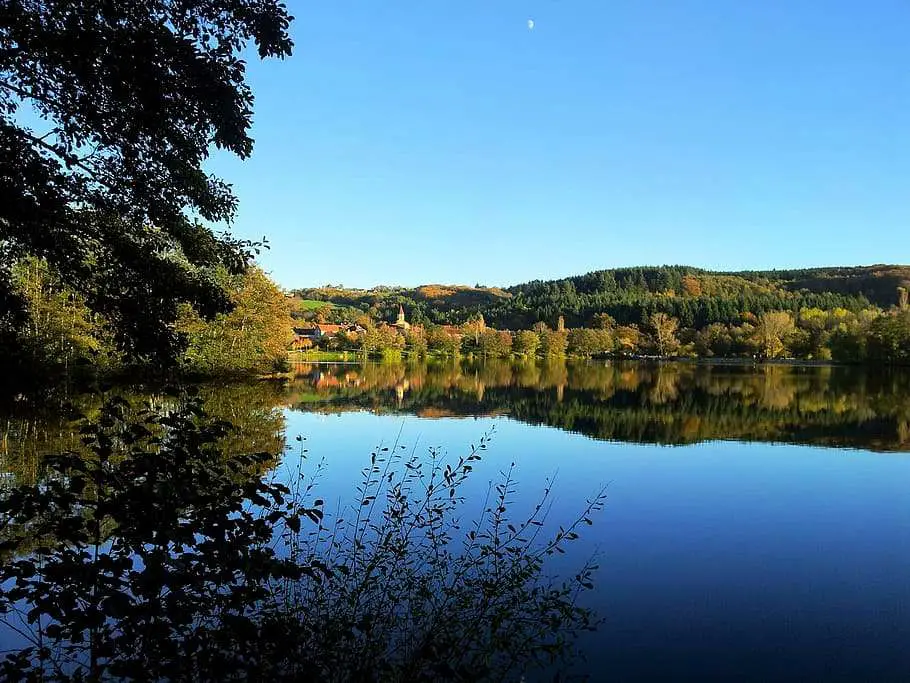
20. Lake Seminole – the clearest river in Florida
Lake Seminole is a water reservoir that is covering a total area of 37,500 acres. The Lake Seminole is located in between Georgia and Florida states.
You can find clear water in this lake. However, it is important to note that this is not a natural lake.
Instead, it was created along with the construction of a dam against the Chattahoochee and Flint rivers. The constructions of this dam took place in between 1947 and 1957.
The dam and Lake Seminole was initially constructed for navigation purposes and hydroelectric power generation.
However, clear, and clean water present in the lake could eventually transform that to a popular vacation destination.
People in Florida, Alabama, and Georgia often prefer to come to Lake Seminole and enjoy their vacations. You will also be able to discover diverse wildlife around this lake.
On the other hand, the lake is offering some scenic trails as well. These trails are usually crowded with roller bladers, joggers, and bikers.
Final words
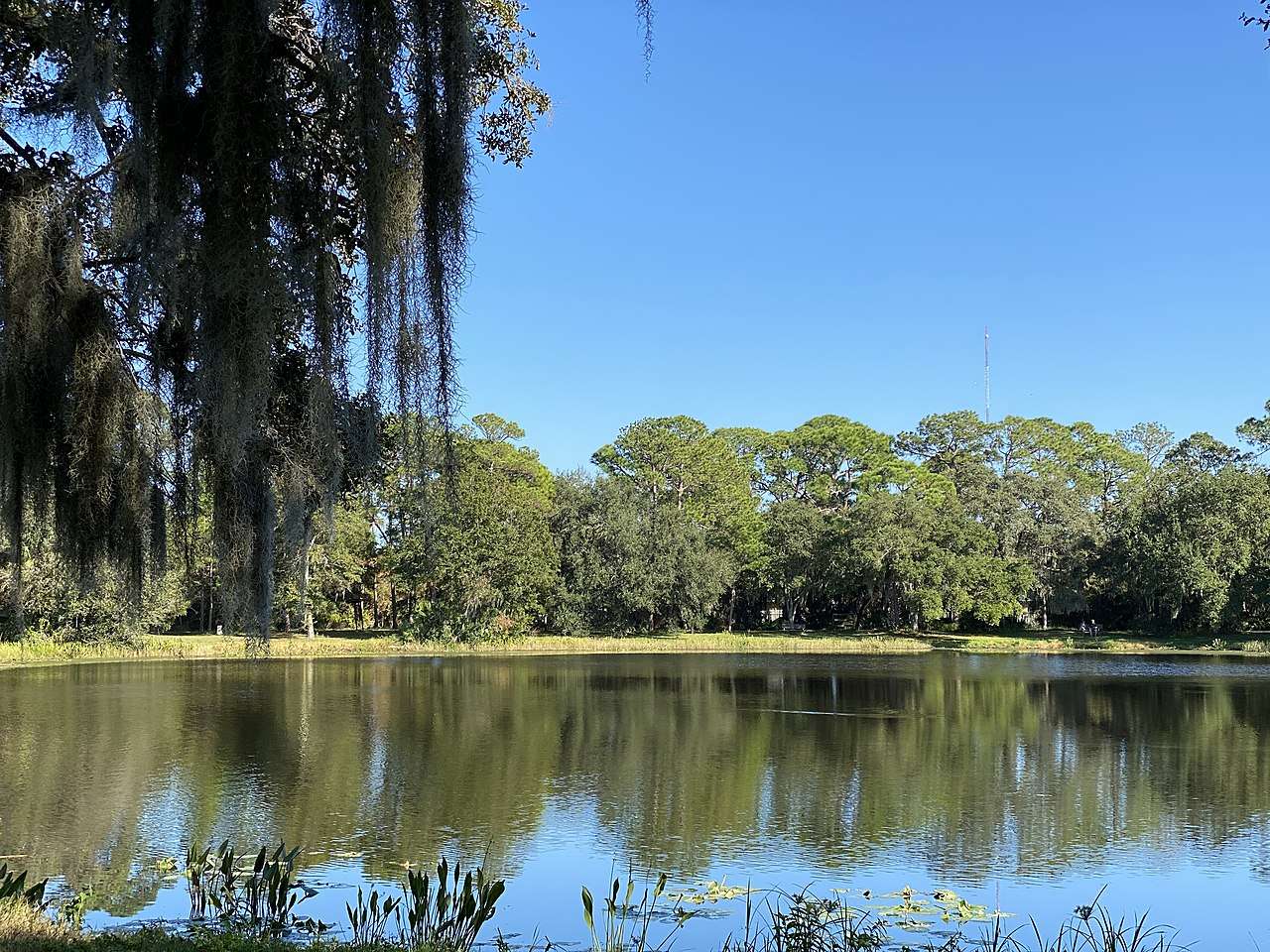
If you are looking for the best lakes in Florida, you are aware about the options that are available for exploring.
Keep the needs in mind and go through this list. Then you can figure out which lake in Florida you will be visiting during the next time.

Proud owner of https://travelyouman.com/