
Pennsylvania is a state where you can discover numerous natural landscapes. For example, you can see a perfect countryside in this state, which is represented by the Pocono mountains. On the other hand, you will also be able to discover a large number of stunning lakes within the state as well. You can discover a total of over 2,500 lakes within the state. These lakes are not just catering water to the people who live in the state. On top of that, we will also be able to see how people are provided the chance to use these lakes for recreational activities, such as fishing, swimming, boating, and kayaking. While keeping that in mind, let’s explore the best lakes in Pennsylvania.
[googlemaps https://www.google.com/maps/d/u/3/embed?mid=1rUsYLId9oCE-Cuw3eb58jG1MznrIJjHX&w=640&h=480]
1. Lake Erie – Largest Lake in Pennsylvania
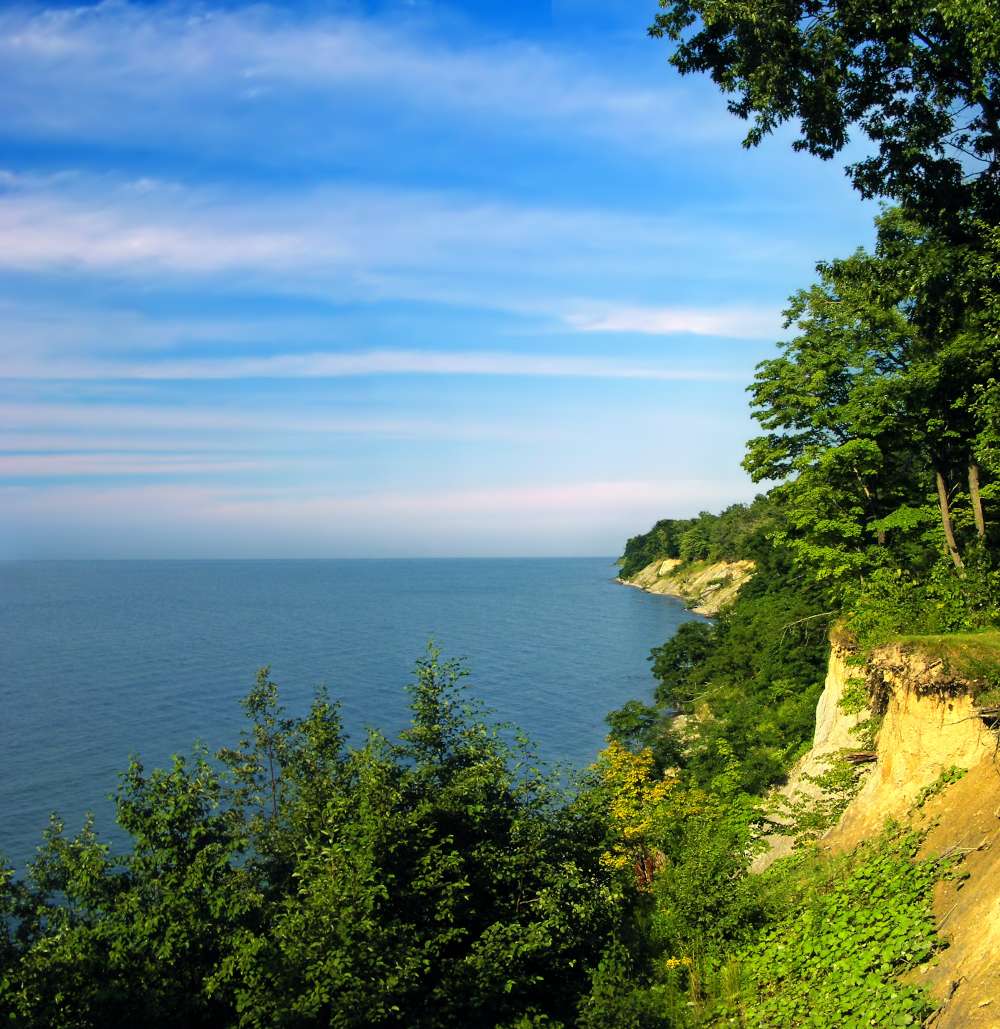
Lake Eris is the largest lake in Pennsylvania as of size. The surface area of this lake is 9,910 square miles. This lake has a shoreline length of 799 miles.
The lake has water volume of 116 cubic miles. Moreover, the maximum depth of this lake is 210 feet. It is located at Lake Erie.
Lake Erie, one of North America’s Great Lakes, crosses the states of Ohio, Pennsylvania, New York, Michigan, and Ontario in Canada.
The lake was named after a Native American tribe that lived along its shores before being exterminated by the Iroquois League for assisting their adversary, the Hurons.
Lake Erie is the fourth biggest in surface area, the most southern-reaching, the shallowest, and the smallest in volume among the Great Lakes.
But don’t be fooled: Lake Erie has a surface size of 9,940 square miles, spans 241 miles in length and 57 miles in width, has 871 miles of shoreline, and reaches a maximum depth of 210 feet.
Lake Erie is the only Great Lake that freezes over on a regular basis, owing to its modest average depth of 62 feet.
Lake Erie is known as the “Walleye Capital of the World” and is widely regarded as having some of the greatest walleye fishing in the world.
The lake’s modest depths provide a perfect environment for walleye and make it great for ice fishing. But don’t worry if walleye isn’t your thing.
Yellow perch, steelhead, salmon, and smallmouth bass are also popular in the lake.
Whether you go out on your own to fish the depths or hire one of the numerous fishing charters in the region, you’ll have an interesting and gratifying fishing experience.
Lake Erie is enormous, and with it comes a plethora of recreational opportunities. Swimming in the calm blue waters, boating, hiking, birdwatching, seeing the natural flora and wildlife, playing on a sandy beach, water skiing, dining lakeside, and a variety of other activities are all available.
Depending on your own preferences, the possibilities are nearly limitless.
Read: Biggest Lakes In The United States Of America [Top 20]
Learn about the Lake Superior Largest Lake in the USA
2. Pymatuning Lake – Second Largest Lake in Pennsylvania
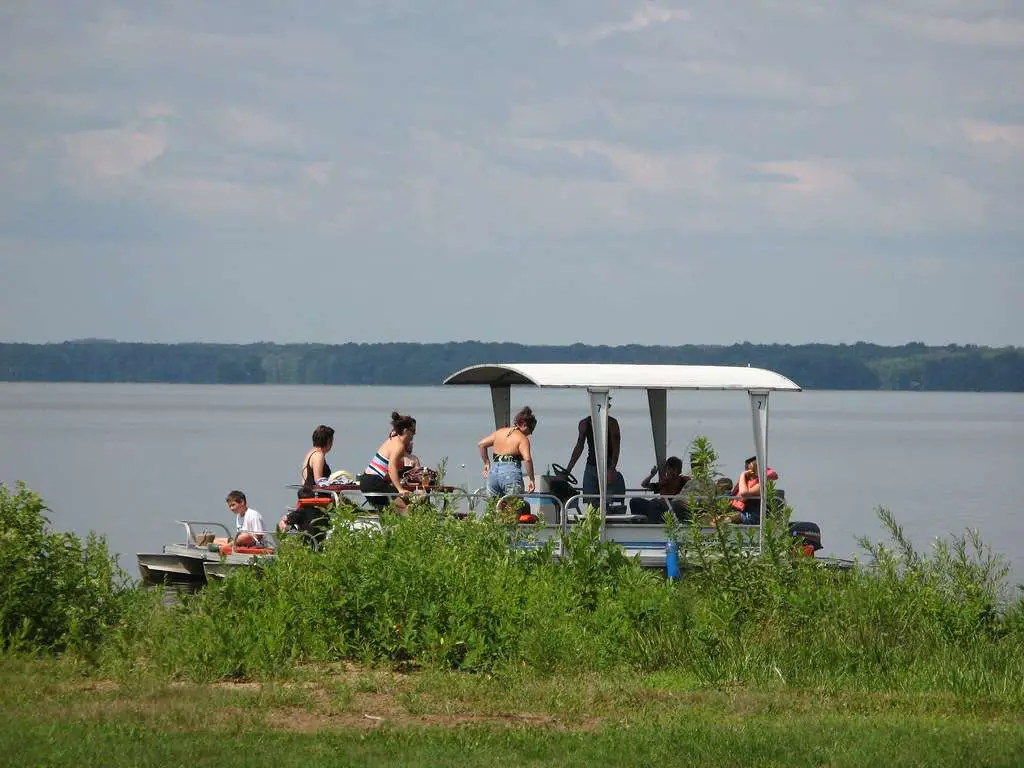
Pymatuning Lake is the second largest lake that you can see in Pennsylvania. The surface area of this lake is 17,088 square miles.
This lake has a shoreline length of 170 miles. The lake has water volume of 17 cubic miles. Moreover, the maximum depth of this lake is 62 feet. It is located at Crawford County.
Pymatuning Lake is a lake of superlatives, located in northwest Pennsylvania and overflowing into northeastern Ohio.
It is the biggest lake in Pennsylvania, aside from Lake Erie, with an area of 17,088 acres, a length of 17 miles, and a width of 1.6 miles. Pymatuning Lake is also an important conservation area in North America, particularly for the Common Goldeneye, Canada Goose, and Hooded Merganser.
Pymatuning, like many other North American lakes, is a man-made reservoir. Its average depth is around 15 feet, with a maximum depth of about 35 feet, and it was completed in 1934.
It has a 70-mile-long coastline. The three campgrounds on the lake have the most campsites in one region in Pennsylvania.
Pymatuning State Park, where the lake is located, has more visitors each year than nearly any other park in the state, with over 4.5 million.
All of these adjectives add up to one thing: you and your family will have a fantastic time.
Pymatuning Lake is well-known for its year-round activities. Water sports possibilities abound beginning in the hot summer months.
Boating is one of the most popular activities, however tourists should be advised that all motorboats are subject to a 20 horsepower limit.
On the lake, there are three boat marinas: Jamestown Watercraft Concession, Espyville Marina Concession, and Linesville Marina Concessionaire. All three provide boat rentals, fishing equipment, and moorings.
Thousands of swimmers go to the five beaches and apparently limitless acres of cold, clear seas every year.
Take a power swim, a leisurely dip, or spend the afternoon drifting on a raft in the tranquil waters. Catch some rays in the sand while watching kids create sand castles all around you.
Whatever you do, you’ll feel calm and rejuvenated after spending time in the sea and on the beach.
Fishing is another favourite Pymatuning activity: The Fish and Boat Commission of Pennsylvania State Parks runs one of the world’s largest warm-water hatcheries.
Bring your pole (or rent one) and be ready to catch walleye, crappie, muskellunge, bluegill, perch, smallmouth bass, and largemouth bass in this well-stocked lake. Don’t let the seasons keep you from fishing: this Pennsylvania lake allows both summer and winter ice fishing.
Learn about the largest natural lake in Texas
3. Allegheny Reservoir – third largest lake in Pennsylvania
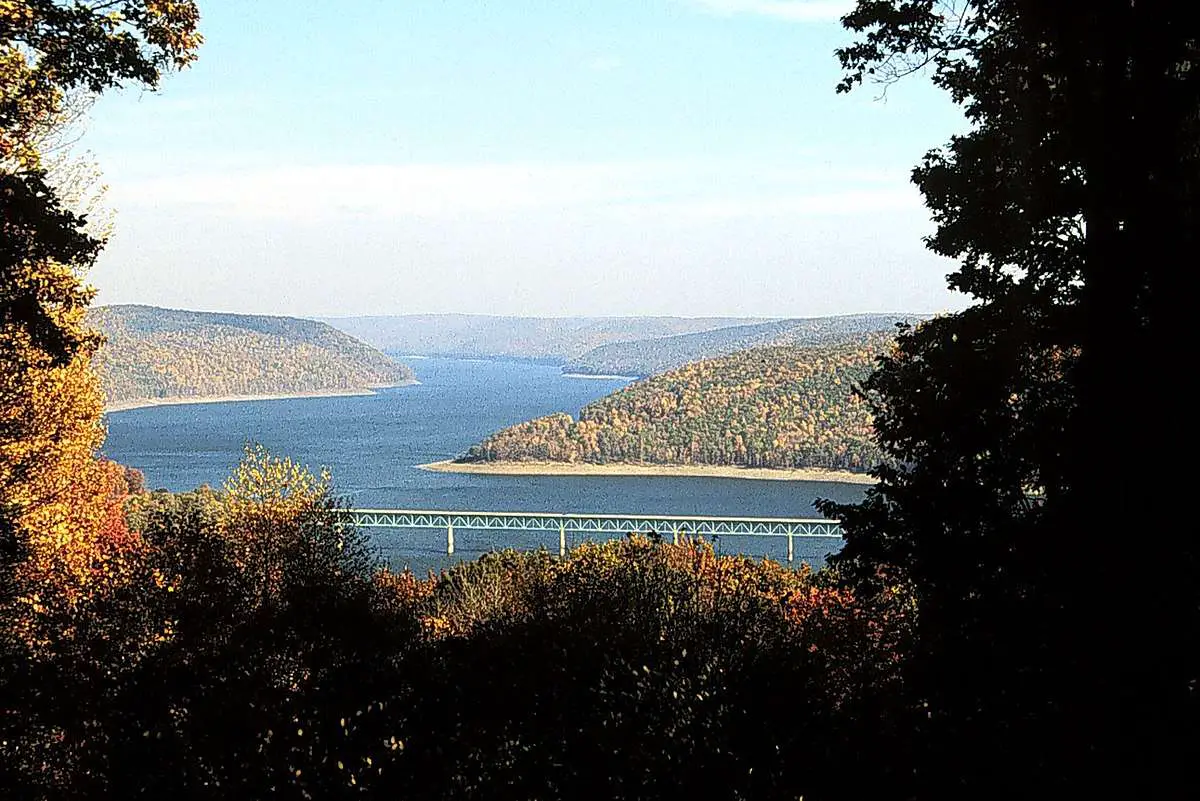
The third largest lake in Pennsylvania state is the Allegheny Reservoir. The surface area of this lake is 12,080 square miles.
This lake has a shoreline length of 120 miles. The lake has water volume of 17 cubic miles. Moreover, the maximum depth of this lake is 24 feet. It is located at the Warren County.
The Allegheny River, which is designated as a National Wild and Scenic River, is the major water supply for Allegheny Reservoir.
Kinzua Dam is located 198 miles northeast of Pittsburgh along the Allegheny River. The dam, which was completed in 1965 and is part of the US Army Corps of Engineers’ regional flood control operations, is operated by the US Army Corps of Engineers.
Allegheny Reservoir, also known as Kinzua Dam Lake, is currently a major recreational destination in the region.
The densely forested regions of Pennsylvania and New York, which were formerly home to the Seneca Nation, were clear cut by loggers in the 1800s. By 1900, attempts to restore the forest were well started.
In 1923, the Allegheny National Forest was established, and it was a huge success. Today, the forest that surrounds Pennsylvania’s part of the Allegheny Reservoir is a second-generation forest.
The Forest Service, which covers more than half a million acres, gives limitless possibilities to explore Lake Kinzua.
Along the Pennsylvania beaches of Allegheny Reservoir, several campsites have been established.
Camping options range from full-service sites for trailers and RVs to primitive spots only accessible by boat or hiking paths.
Kinzua Swimming Beach is 11 miles east of Warren, PA. Swimming places are also available in approved campsites.
Boating, waterskiing, hiking, mountain bike and ATV riding, climbing, geocaching, horseback riding, hunting, skiing, wildlife viewing, beautiful driving, and some of the greatest fishing in the northeast can all be found on Allegheny Reservoir and inside Allegheny National Forest.
Allegheny Reservoir’s deep, clear water has produced record-breaking catches of walleye and northern pike, with a maximum depth of 132 feet and an average depth of 48 feet.
Smallmouth bass, muskellunge, walleye, northern pike, yellow perch, channel catfish, and brown trout are among the other fish species present in Kinzua Lake.
The Allegheny National Forest has six more boat launches, including Kinzua-Wolf Run Marina, which is 11 miles east of Warren.
Learn about the largest natural lake in California
4. Raytown Lake – the largest man-made lake in Pennsylvania’s
There are numerous man-made lakes in the state of Pennsylvania.
The largest man-made lake out of them is the Raytown Lake. The surface area of this lake is 8,300 square miles.
This lake has a shoreline length of 79 miles. The lake has water volume of 85 cubic miles. Moreover, the maximum depth of this lake is 25 feet. It is located at Huntington County.
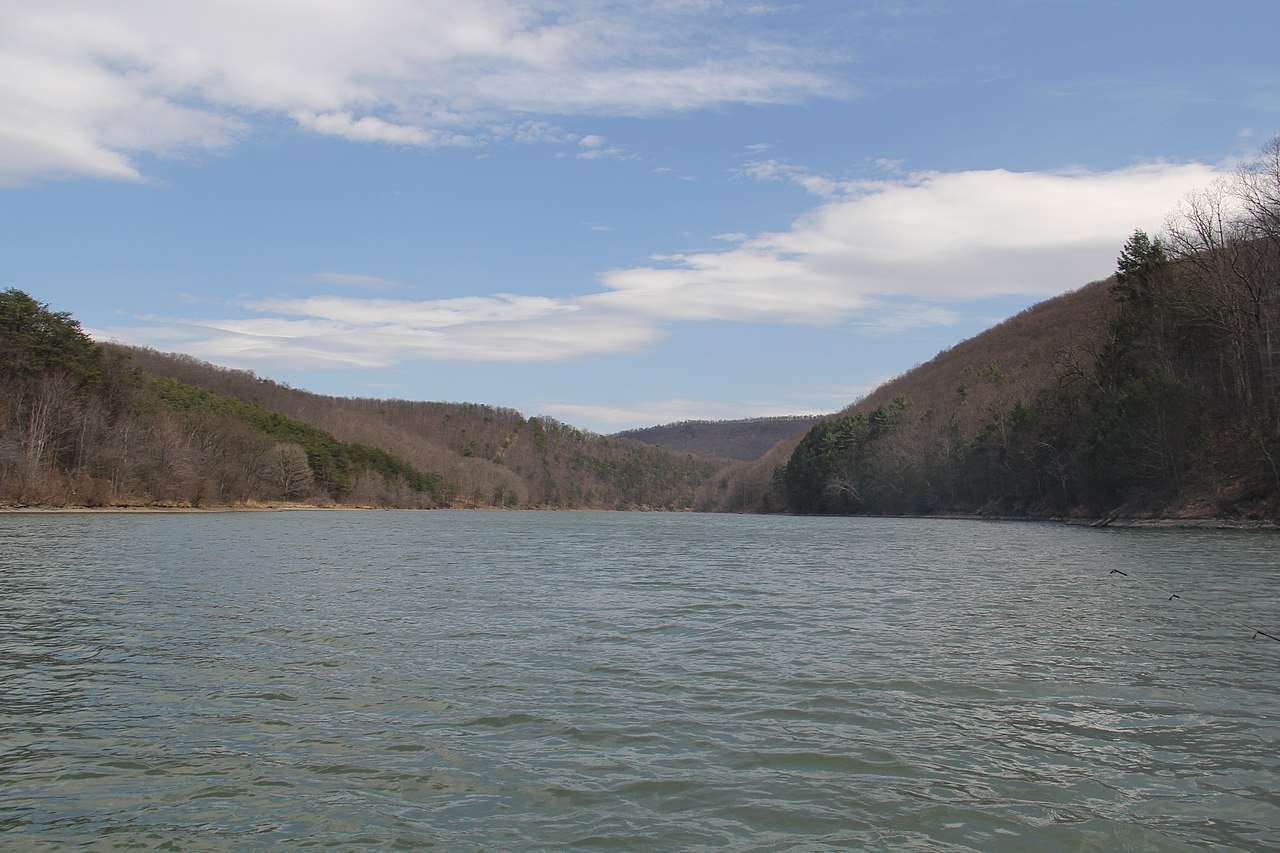
Raystown Lake is the largest lake fully inside Pennsylvania’s boundaries, with an area of 8,300 acres. The lake is located in Huntingdon County’s southern Allegheny Mountains.
It is 80 feet deep on average, with a maximum depth of 200 feet.
Raystown Lake was formed in 1913 when the US Army Corps of Engineers dammed the Raystown Branch Juniata River for flood control, hydroelectric generation, and recreational purposes.
Raystown Lake, dubbed “The Crown Jewel of Pennsylvania,” has 110 miles of mainly unspoiled coastline due to restrictions prohibiting residential and restricted commercial development.
Every year, nearly 2 million tourists flock to the lake’s unspoilt coastlines and natural splendor, each looking for a tranquil bit of lake enjoyment.
Learn about the largest body of water wholly contained within Illinois
5. Lake Wallenpaupack – prime recreation destination in northeast Pennsylvania’s
People tend to use the lakes located within Pennsylvania state for recreational purposes. Out of them, Lake Wallenpaupack is a prime recreation destination that you can see in the northeastern region of the state.
The surface area of this lake is 5,700 square miles. This lake has a shoreline length of 799 miles.
The lake has water volume of 116 cubic miles. Moreover, the maximum depth of this lake is 210 feet. It is located at Pike County.
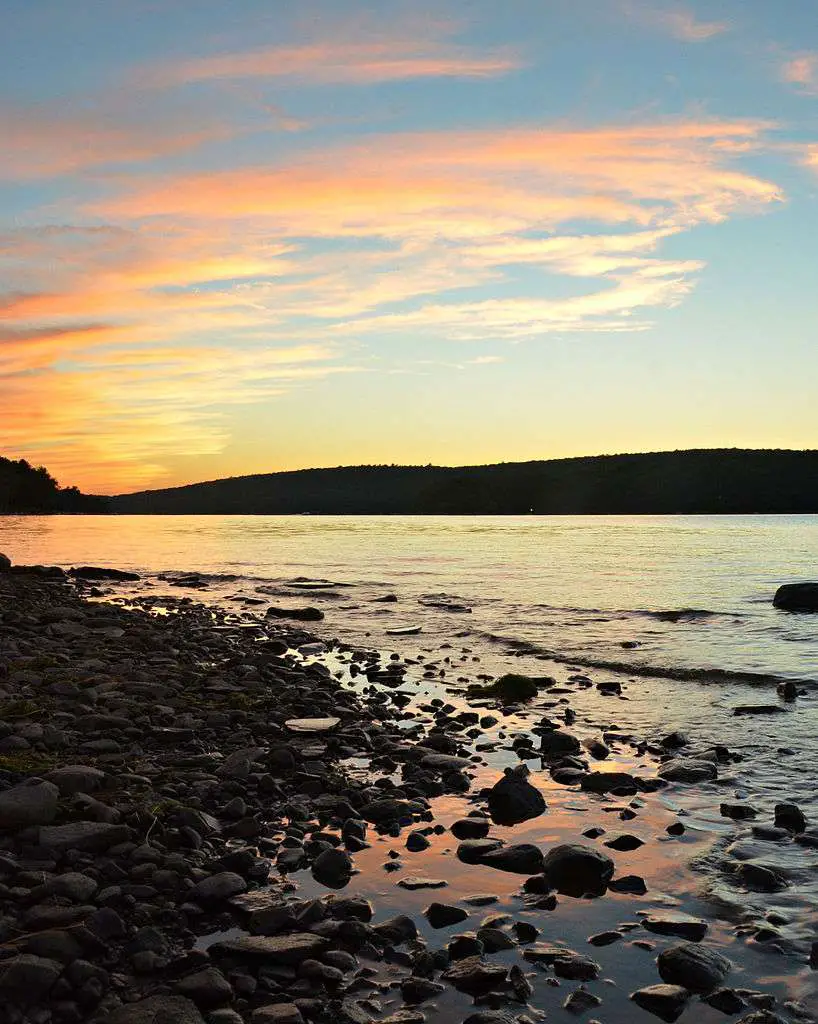
Lake Wallenpaupack is a popular recreational area in northeast Pennsylvania’s Pocono Mountains, situated between the counties of Hawley, Pike, and Wayne.
The Pennsylvania Power and Light Company (PPL) built the lake in 1927 for hydroelectric power.
It spans 5,700 acres and has 52 miles of shoreline.
The greatest depth is 60 feet, with an average depth of 30 feet. Wallenpaupack is a Lenape Indian term that means “fast and sluggish water stream,” which is appropriate given that the lake was formed by Wallenpaupack Creek in Wilsonville.
Wilsonville vanished permanently beneath the waters of the lake after the dam was built.
During the summer months, the lake serves as a hub for water activity, with possibilities for boating, water skiing, swimming, and fishing. Smallmouth bass, largemouth bass, rock bass, muskellunge, rainbow trout, walleye, pickerel, and yellow trout are some of the lake species.
Anglers interested in mountain stream fishing can visit Wallenpaupack Creek or the Lackawaxen River, which are both stocked by the Pennsylvania Fish and Boat Commission.
You may launch your boat from any of the four public Recreation Areas on Lake Wallenpaupack if boating is your thing.
Vacationers may also hire boats from a number of marinas and resorts in the region. Daytime boating speeds are limited at 45 mph during busy summer weekends and holidays.
Learn about the largest and deepest lake in Ohio
6. Shenango River Lake – provides flood protection for the Shenango River
The Shenango River Lake is offering flood protection for the Shenango River. The surface area of this lake is 3,560 square miles. This lake has a shoreline length of 35 miles.
The lake has water volume of 16 cubic miles. Moreover, the maximum depth of this lake is 17 feet. It is located at the Mercer County.
Shenango River Lake, which is primarily in northern Pennsylvania between Greenville and Sharon and spills into northeastern Ohio, protects the Shenango River Valley as well as the Beaver and upper Ohio Rivers from flooding.
During dry seasons, Shenango Reservoir releases water to increase the quality and quantity of downstream water for residential and industrial usage, leisure, and aquatic life.
The 11-mile-long Shenango River Lake offers a variety of outdoor leisure possibilities.
Picnicking, camping, boating, and admiring nature’s splendor are all popular activities at one of the many recreation or access locations.
Shenango River Lake is known for its bass, walleye, muskellunge, and a variety of panfish, all of which draw anglers. Thousands of fishermen go to the dam’s outflow region each spring to fish for trout stocked by the Pennsylvania Fish and Boat Commission.
With six boat launch ramps, boating is one of the most popular and diverse recreational activities at Shenango River Lake.
The majority of the lake is open to unrestricted horsepower boating and water skiing. Some parts of the lake are restricted to engines with a maximum horsepower of ten horsepower.
Learn about the deepest lake in Florida
7. Lake Arthur – largest Lake with the clearest water
Lake Arthur is a lake in Pennsylvania, where you can find clear water. In fact, you can call it as the lake with clearest water.
The surface area of this lake is 3,225 square miles. This lake has a shoreline length of 29 miles. The lake has water volume of 17 cubic miles.
Moreover, the maximum depth of this lake is 12 feet. It is located at the Butler County.
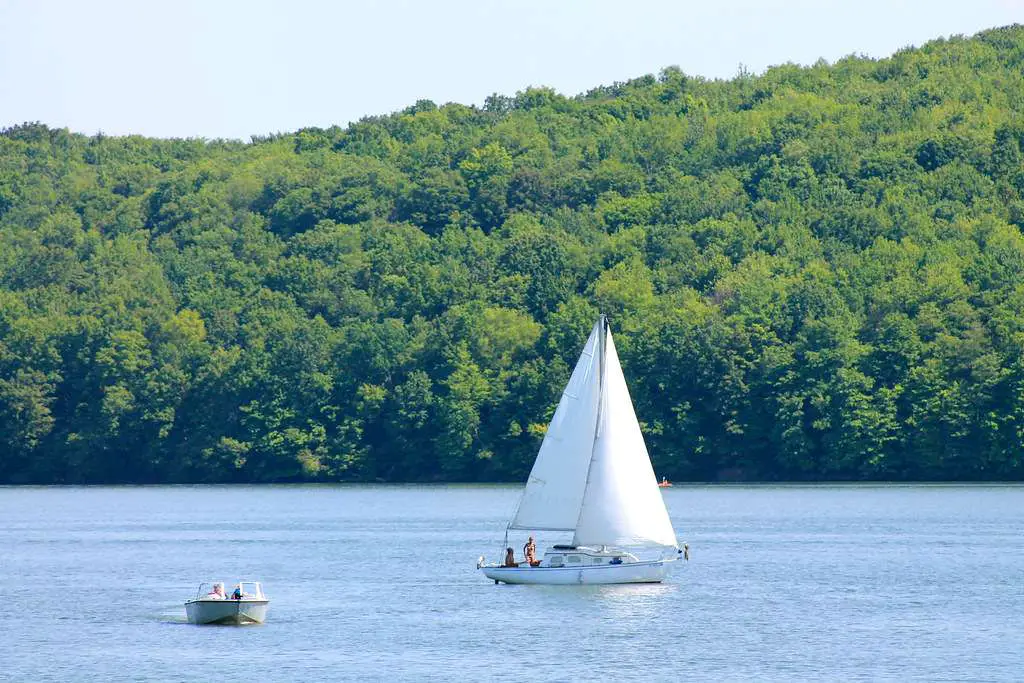
Sailboats flit over Lake Arthur’s beautiful Pennsylvania waters like swarms of multicolored birds in the warm summer air.
This scenic lake, which is bordered by Moraine State Park and provides 3,225 acres of water to fish, boat, and explore, is located in Butler County.
Lake Arthur is an outdoor enthusiast’s dream, with its gently sloping hills, plentiful animals, and great fishing.
This was not always the case, though. The land that now makes up Moraine State Park was formerly covered with abandoned strip mines and oil and gas wells just forty years ago.
The area was intensively dug for oil and natural gas wells in the late 1800s, and deep coal mines and strip mines drastically altered the land’s contour.
To carry the materials to Pittsburgh, the Western Allegheny Railroad was created.
Parts of the railroad grade may still be seen in the Muddy Creek Finger of Lake Arthur and to the west of the dam, since the railroad stretched the whole length of the Muddy Creek Valley. It was decommissioned in 1939.
Read: Biggest Lakes In New York [Top 20]
Learn about the largest clear clean water lake in New York
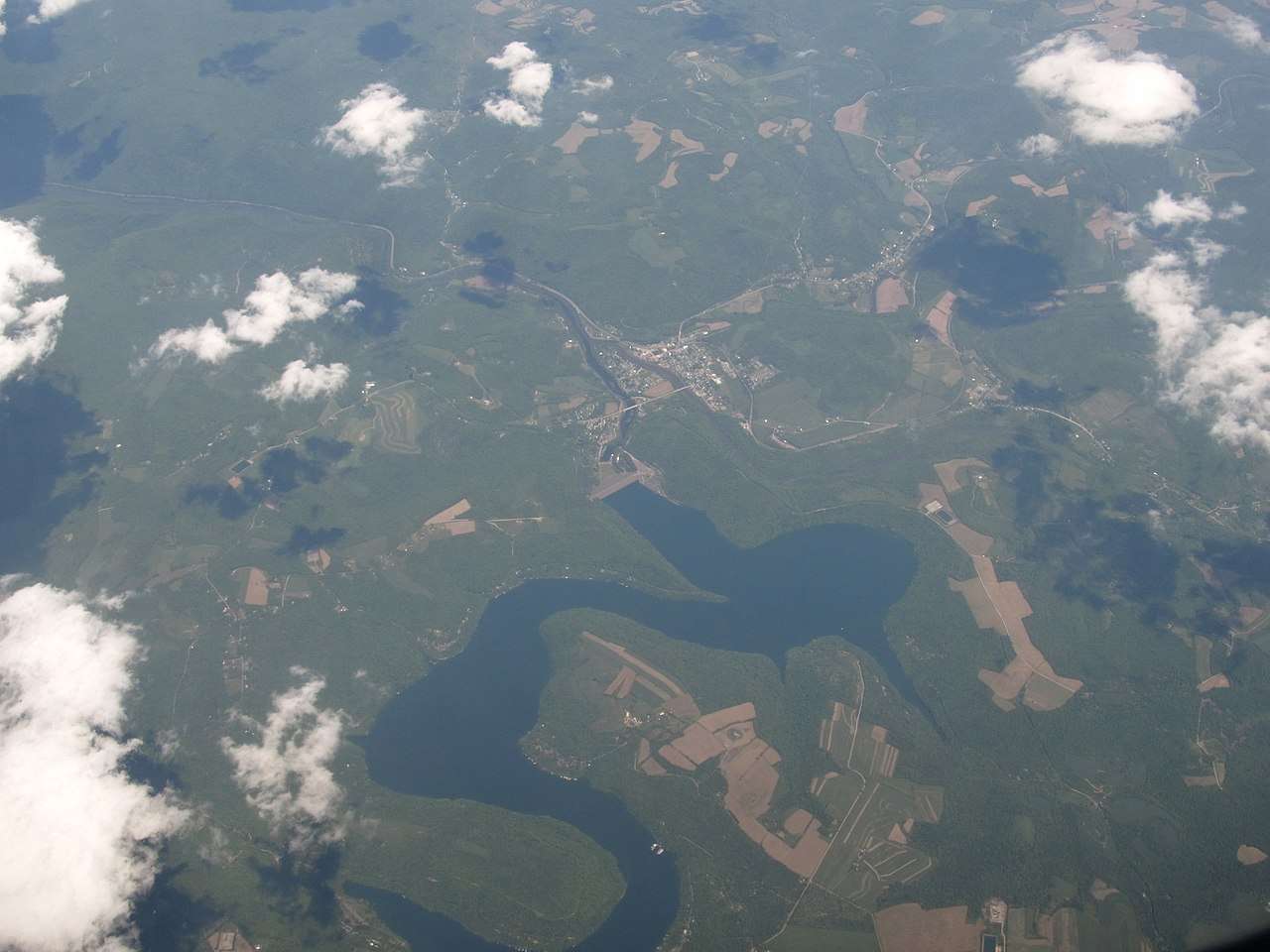
8. Youghiogheny River Lake – the heart of the Laurel Highlands
Youghiogheny River Lake is located within the heart of Laurel highlands. The surface area of this lake is 2,840 square miles. This lake has a shoreline length of 28 miles.
The lake has water volume of 24 cubic miles. Moreover, the maximum depth of this lake is 21 feet. It is located at the Somerset County.
Youghiogheny River Lake is located in the centre of the Laurel Highlands, crossing the Mason-Dixon Line between Pennsylvania and Maryland.
The United States Army Corps of Engineers encourages you to visit the project’s pristine waterways, mountains, and steep-sided valleys, which create an unrivalled environment for outdoor enjoyment.
Youghiogheny River Lake is a popular recreational destination that draws a large number of people each year.
Visitors may enjoy boating, hunting, camping, and a variety of other outdoor activities thanks to the excellent amenities available.
With its 16-mile length and half-mile-wide waterways, boaters consider Youghiogheny River Lake to be the greatest power boating and water-skiing lake in southwestern Pennsylvania.
There are several coves and backwater regions throughout the lake that give good fishing opportunities for anglers.
The lake is home to a diverse range of game and panfish, with walleye and smallmouth bass being particularly popular.
The Pennsylvania Fish and Boat Commission has been awarded a license to manage fish in the Pennsylvania part of the lake.
Learn about the lake Michigan the second-largest of the Great Lakes by volume
9. Lake Wilhelm – The shallowest lake in Pennsylvania
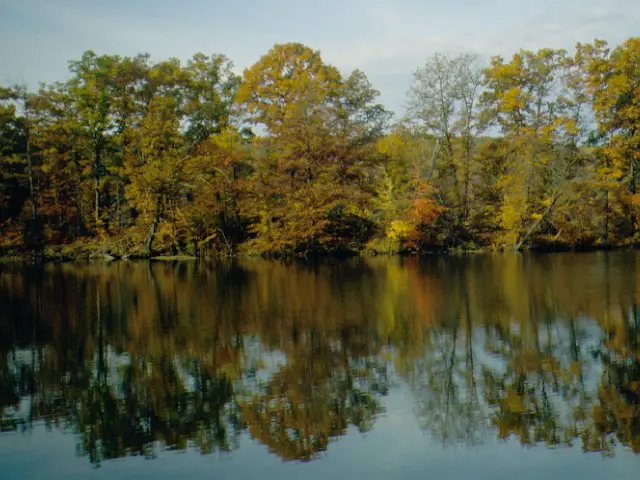
Lake Wilhelm is the shallowest lake you can see in Pennsylvania as of now. The surface area of this lake is 1,860 square miles. This lake has a shoreline length of 18 miles.
The lake has water volume of 36 cubic miles. Moreover, the maximum depth of this lake is 22 feet. It is located at the Mercer County.
The damming of Sandy Creek for flood control purposes resulted in the creation of Lake Wilhelm in 1971.
Lake Wilhelm is a small, shallow body of water with a maximum depth of around 24 feet near the dam. It covers a total of 2,800 acres.
Lake Wilhelm is located in Mercer County, about 15 miles west of Franklin, Pennsylvania, in Maurice K. Goddard State Park.
Natural beauty, animals, rivers, and public leisure facilities all abound in the park. Pennsylvania State Game Land also borders Lake Wilhelm.
Birdwatchers can see bald eagles and osprey fishing on Lake Wilhelm’s waters.
Bluebirds, purple martins, woodpeckers, woodcocks, nighthawks, snipes, and warblers may be found in the surrounding meadows, fields, and woodlands. In the spring and fall, migratory waterfowl such as loons, common teals, goldeneyes, mergansers, and buffleheads frequent Lake Wilhelm.
Read: Is Traveling A Hobby? The Ultimate Guide To An Exciting Way Of Life
Learn about the Downsides Of Traveling As A Hobby
10. Lake Nockamixon – is a destination getaway for many travelers
Lake Nockamixon is a destination getaway that is available for most travelers within the state of Pennsylvania. The surface area of this lake is 1,450 square miles.
This lake has a shoreline length of 98 miles. The lake has water volume of 24 cubic miles. Moreover, the maximum depth of this lake is 17 feet. It is located at the Bucks County.
Lake Nockamixon is located in Bucks County, Pennsylvania, and is part of the 5,283-acre Nockamixon State Park.
The 1,450-acre reservoir is supplied by Tohicken Creek, Three Mile Run, and Hacycock Run, and is a popular weekend retreat for many visitors, especially those looking to get away from the hustle and bustle of Philadelphia.
The majority of park sections are accessible from sunrise to sunset, however certain fishing and boating areas are available all year.
A maximum of 20 horsepower is allowed on the lake.
The sparkling waters of the lake are studded with sailboats, motorboats, canoes, kayaks, and even inflatable watercraft filled with people enjoying the peace and quiet.
You may launch your own boat from one of four public boat launches, which are available 24 hours a day, or hire a canoe, rowboat, motorboat, sailboat, paddleboat, pontoon boat, or kayak from the boat rental concession.
It is important to know that swimming is not allowed in the lake. From Memorial Day to Labor Day, a half-acre swimming pool with two waterslides is open.
11. Lake Marburg – a spectacular recreational resource
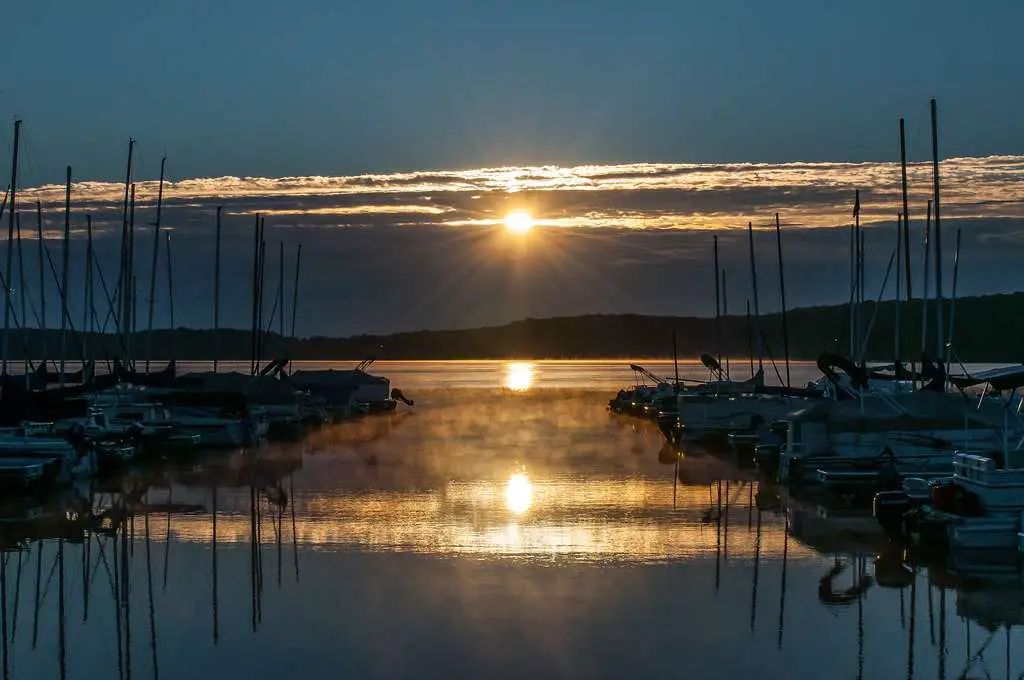
Lake Marburg is a lake that offers an outstanding environment for the people to engage with their recreational activities.
The surface area of this lake is 1,275 square miles. This lake has a shoreline length of 75 miles. The lake has water volume of 14 cubic miles.
Moreover, the maximum depth of this lake is 19 feet. It is located at the York County.
Codorus State Park encompasses nearly the entirety of the lakeshore. The dam and water flows are owned and controlled by P.H. Glatfelter.
Boating and fisheries management are overseen by the Pennsylvania Fish and Boat Commission.
Anglers looking for largemouth bass, yellow perch, crappie, muskellunge, catfish, northern pike, and bluegill go to Lake Marburg, also known as Codorus Lake.
This warm-water fishery is supplemented with cold-water rainbow and brown trout fishing on Codorus Creek’s east branch.
12. East Branch Clarion River Lake – created by the United States Army Corps
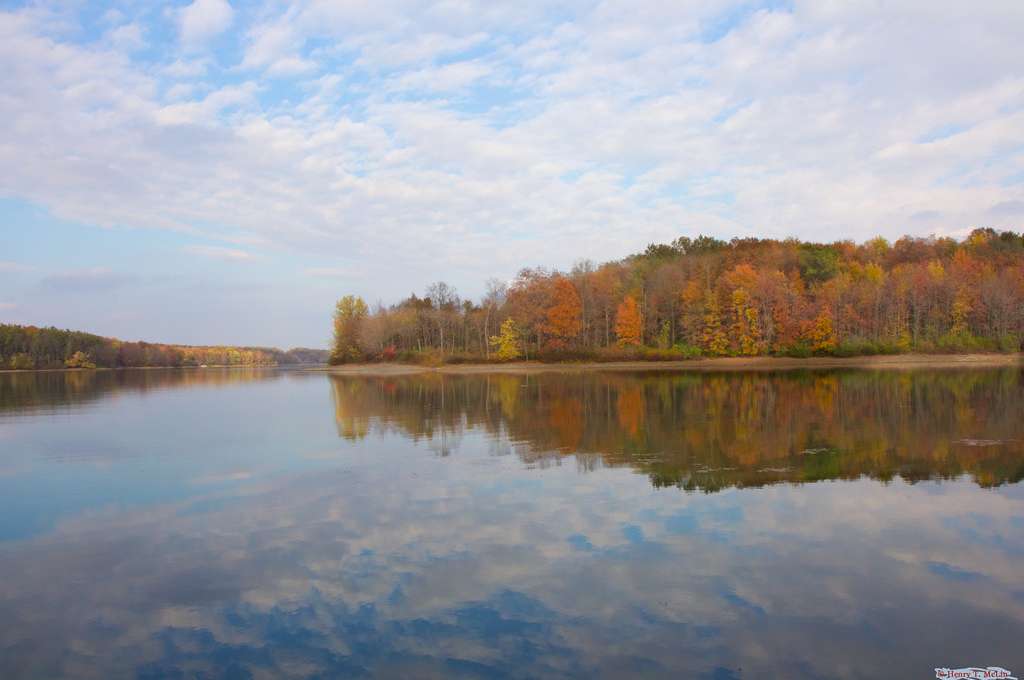
East Branch Clarion River Lake is a lake that was created by the United States Army Corps back in the day. The surface area of this lake is 1,160 square miles.
This lake has a shoreline length of 56 miles. The lake has water volume of 12 cubic miles. Moreover, the maximum depth of this lake is 21 feet. It is located at Elk County.
East Branch is a tributary of the Clarion River Lake, also known as East Branch Lake, was constructed in 1952 by damming up the East Branch of the Clarion River by the United States Army Corps of Engineers.
The lake, which was created by the Flood Management Act of 1944, aids in flood control in the Clarion River Valley, the Allegheny River region, and the upper reaches of the Ohio River.
Its crystal pure waters cover 1,160 acres and span for 5.7 kilometers. The average depth of the lake is 55 feet, with a maximum depth of 147 feet.
Visitors and residents may enjoy a variety of recreational options at East Branch Clarion River Lake.
During the summer, anglers come to the lake to cast a line, sit back, and wait for smallmouth bass, muskellunge, walleye, lake trout, brown trout, rainbow trout, and brook trout to bite.
The Pennsylvania Fish and Boat Commission stocks the streams of Elk State Park on a regular basis, which is great news for fly fisherman.
Ice fishing is also a favourite winter pastime for the brave of heart.
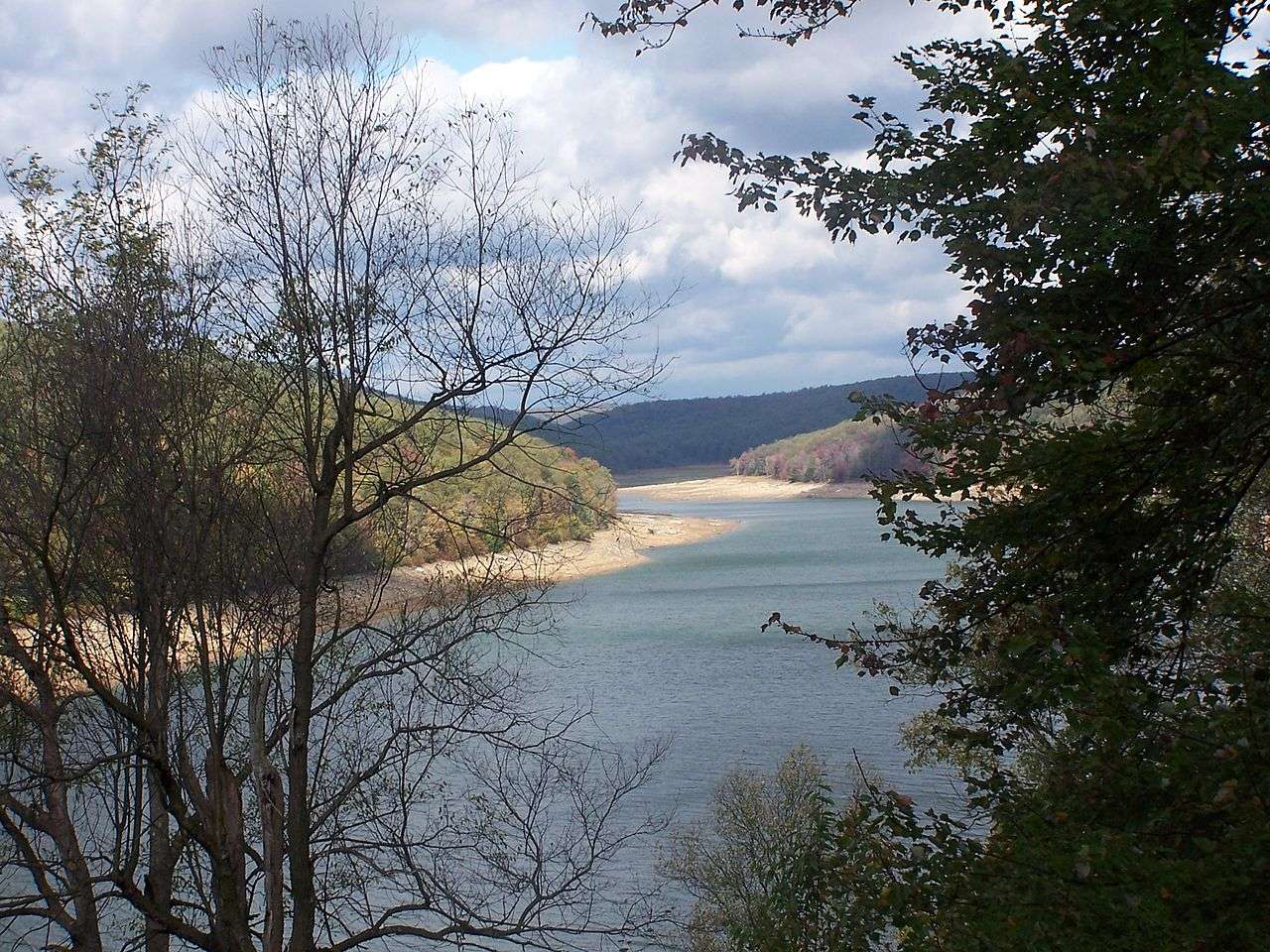
13. Cowanesque Lake – area around the lake is groomed for outdoor adventure
Cowanesque Lake is a lake that is groomed specifically for outdoor adventures. If you are an outdoor enthusiast, you will fall in love with the great experiences offered out of the lake.
The surface area of this lake is 1,090 square miles. This lake has a shoreline length of 85 miles. The lake has water volume of 45 cubic miles.
Moreover, the maximum depth of this lake is 54 feet. It is located at the Fulton County.
Cowanesque Lake is peacefully tucked amid wooded mountains in north central Pennsylvania.
Cowanesque is a Native American term that means “overrun with briars” and is located near the New York state boundary.
The area around the lake is now manicured and maintained for outdoor activities and water fun.
Guests can enjoy beaches, swimming pools, picnic spots, boat ramps, camp sites, hiking trails, hunting, amphitheater programs, an educational visitor’s centre, and beautiful vistas in the recreational areas around the lake.
There are no size or horsepower restrictions for pleasure boats, bass boats, sailboats, or canoes.
Many peaceful coves with No Wake zones are accessible for those who like to kayak at a slower pace or simply relax in a gently rocking boat watching the wildlife come to beach for a drink or bird watching as osprey dive for their meal.
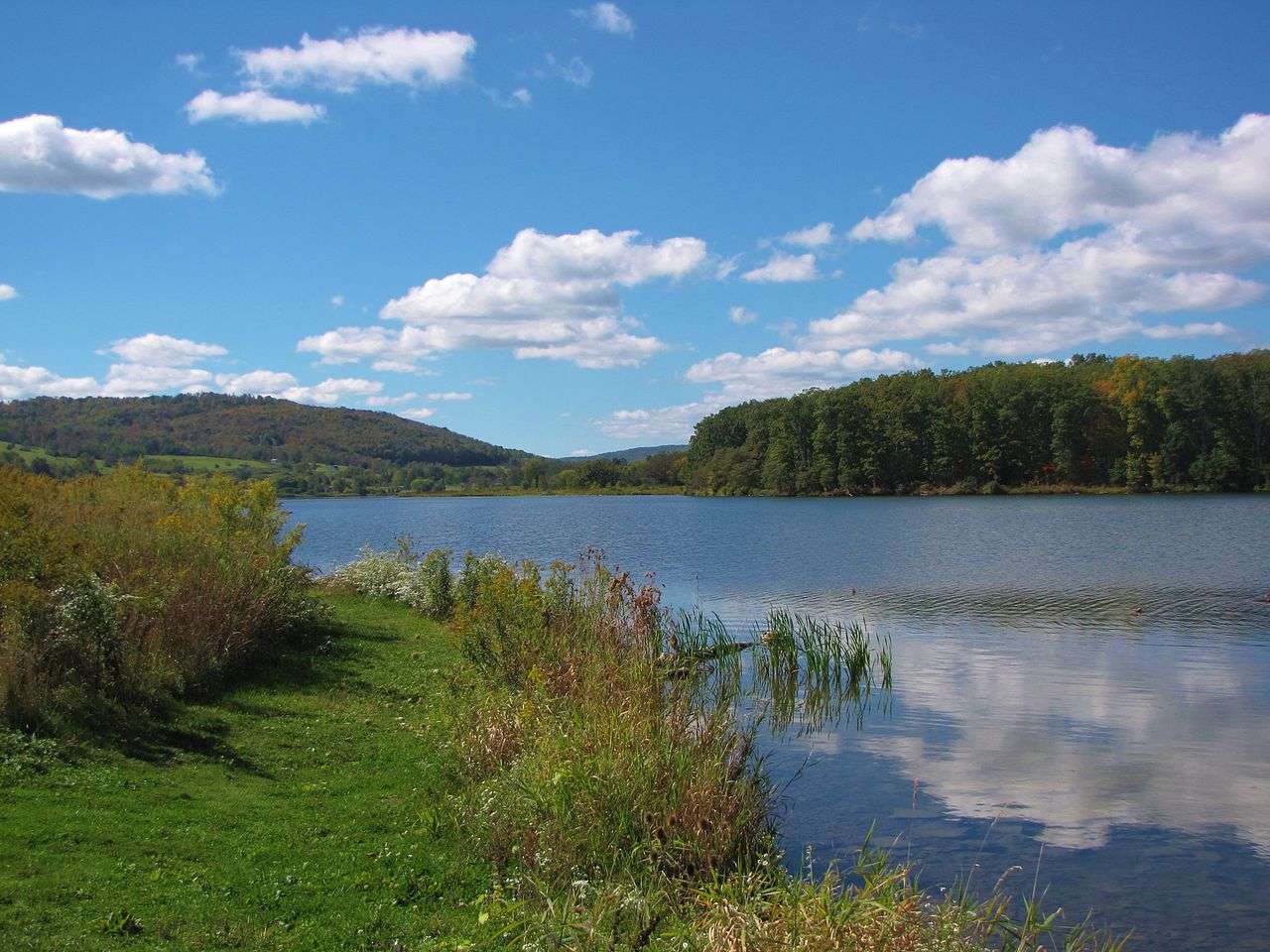
14. Beltzville Lake – is home to spectacular vistas and myriad activities
Beltzville lake is a prominent lake, which acts as the home to numerous spectacular vistas.
On top of that, you will also be able to discover a variety of activities that are offered to the people who are at this lake. The surface area of this lake is 949 square miles.
This lake has a shoreline length of 45 miles. The lake has water volume of 24 cubic miles. Moreover, the maximum depth of this lake is 15 feet. It is located at the Carbon County.
Beltzville Lake is one of the numerous reasons why the Pennsylvania Pocono Mountains are so beautiful.
Beltzville Reservoir, located in the southern foothills of the famed Pennsylvania highlands, offers beautiful views and a variety of activities.
It’s more usual to see water in the form of a flowing brook or a waterfall emerging from a rocky face in a mountain setting like the Poconos.
Finding a huge body of water is uncommon, and the Beltzville Lake is one of the most unusual.
The 949-acre reservoir, which was built by the Army Corps of Engineers to prevent floods and offer leisure and water supply in the Lehigh Valley, welcomes tourists like a welcoming light.
Although the Army Corps of Engineers manages the dam, the recreational areas have been leased to the State of Pennsylvania in order to promote public use of the lands and water.
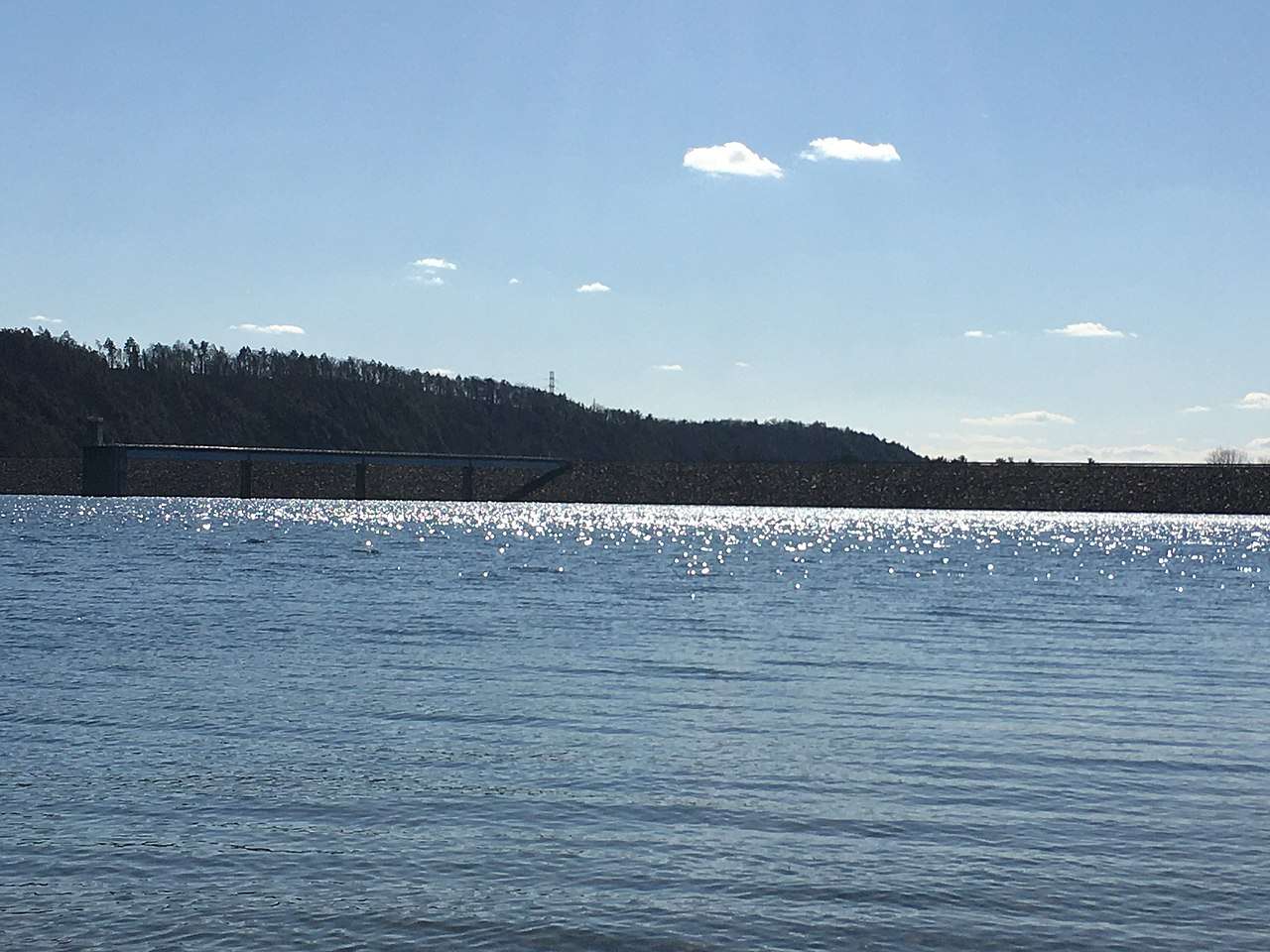
15. Conneaut Lake – the largest natural and deepest lake in Pennsylvania
Conneaut Lake is the largest natural lake within Pennsylvania state. Moreover, you can call it as the deepest lake present within the state as of now.
The surface area of this lake is 947 square miles. This lake has a shoreline length of 56 miles. The lake has water volume of 9 cubic miles.
Moreover, the maximum depth of this lake is 12 feet. It is located at the Crawford County.
Conneaut Lake is Pennsylvania’s biggest natural lake, located in northern Pennsylvania.
Conneaut Lake was formed when glaciers receded and left behind ice blocks melted during the Pleistocene Era.
Conneaut Lake, as a result, is roughly 947 acres in size, with a maximum depth of 60 feet and an average depth of 19 feet.
Conneaut Lake has a variety of activities, including an amusement park. Throughout the year, tourists are drawn to the sparkling waters of the lake.
During the summer, the lake’s no-horsepower restriction draws jet skiers and motor boats, many of whom pull water skiers.
Water access is provided by three boat launches, two of which are public and one of which is private.
The boat ramp at the north end of the lake is maintained by the Pennsylvania Fish and Boat Commission (PFBC).
The other public launch, near Fireman’s Beach, is maintained by the Borough of Conneaut Lake (fee required). The marina on the south end of the lake owns the private launch.
A swimming beach, shoreline fishing area, playground, picnic facilities, and bathrooms are all available at Fireman’s Beach.
So, whether you’re travelling by boat or lounging on a sandy beach, soak up some sun, enjoy calm lake breezes, and satisfy your appetite with a great picnic meal.
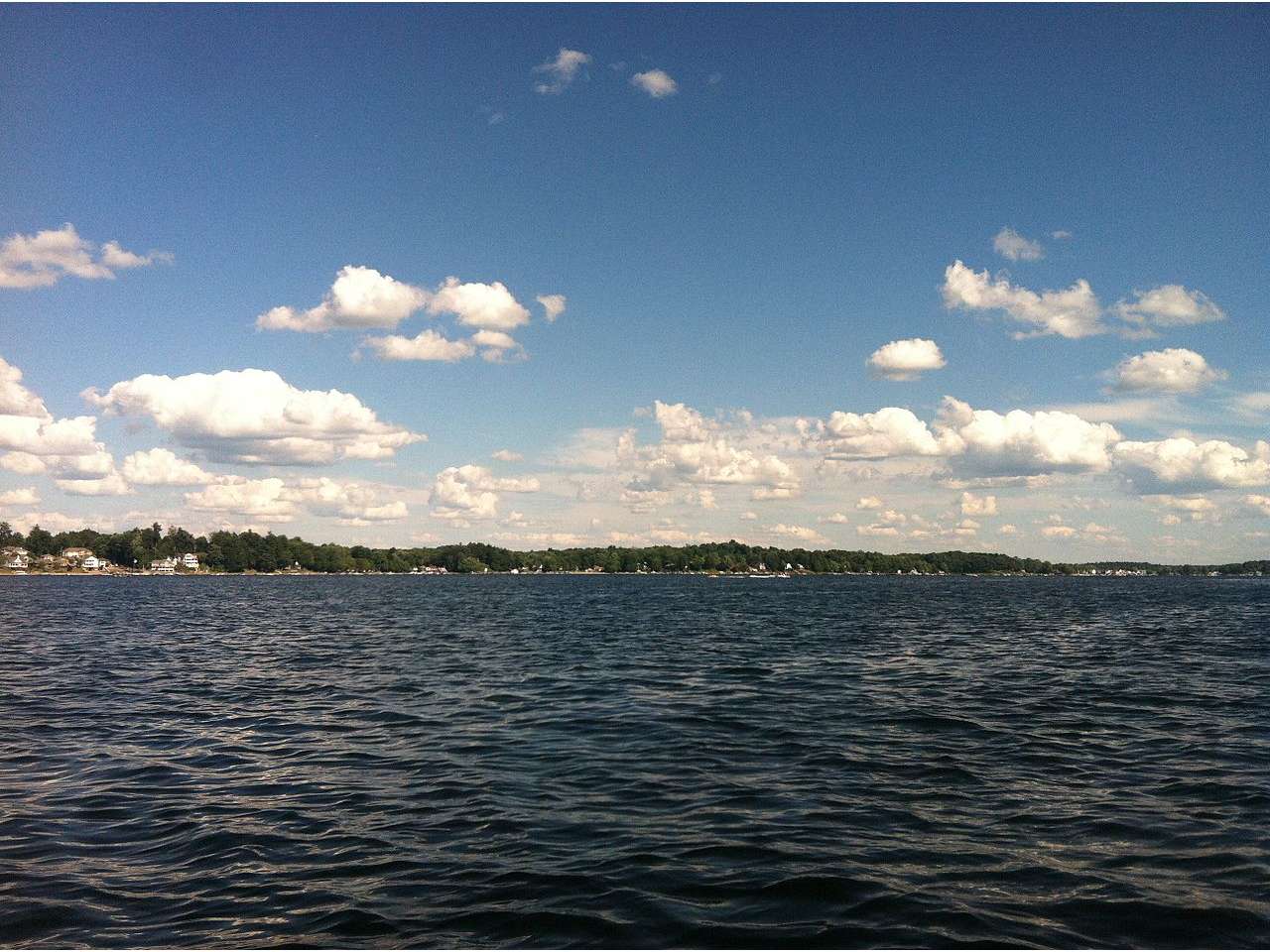
16. Harveys Lake – Pennsylvania’s largest natural lake by total volume of water
Harveys lake is the largest natural lake in Pennsylvania in terms of the water volume. The surface area of this lake is 658 square miles.
This lake has a shoreline length of 45 miles. The lake has water volume of 27 cubic miles. Moreover, the maximum depth of this lake is 14 feet. It is located at the Luzerne County.
Harveys Lake is Pennsylvania’s biggest natural lake by total volume of water, with a surface area of 658 acres.
Harveys Lake, in Pennsylvania’s Northeastern Mountain Region, was named for its discoverer, Benjamin Harvey.
Harvey, a member of the Sons of Liberty and an early resident of the Wyoming Valley, was kidnapped and held captive by British and Native American soldiers at Wilkes-Barre.
Harvey was imprisoned at Fort Niagara until the next spring, when he was freed and discovered the lake on his way back to his colony.
Harvey never lived on the spring-fed lake that bears his name, but it has been loved by generations of residents, tourists, and visitors.
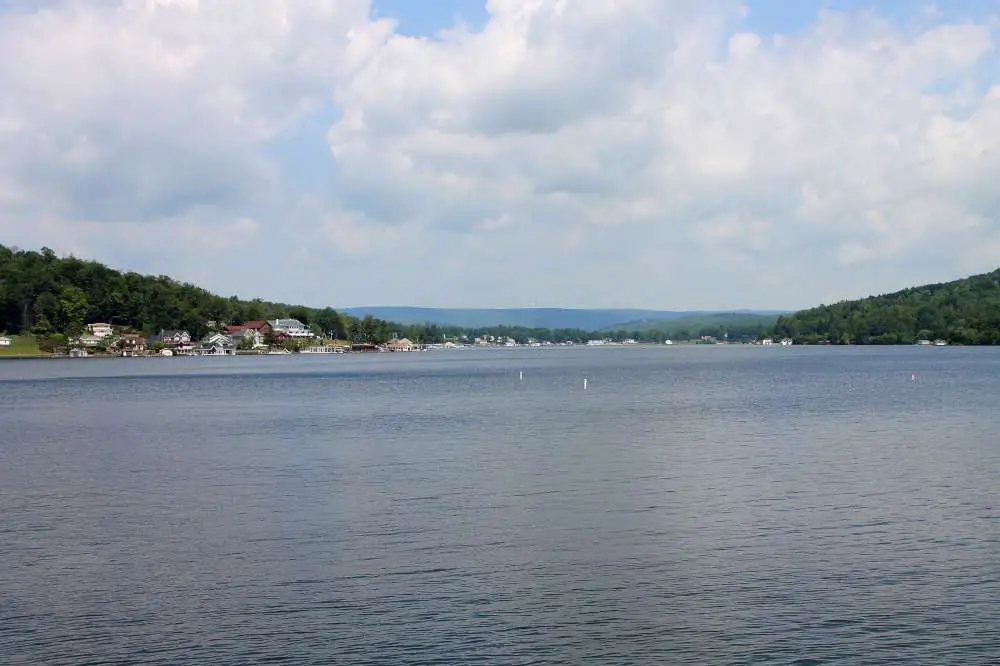
17. Pocono Lake – Built for logging in 1867
Pocono Lake was a lake that was constructed for logging back in the year 1867. The surface area of this lake is 526 square miles.
This lake has a shoreline length of 19 miles. The lake has water volume of 65 cubic miles. Moreover, the maximum depth of this lake is 14 feet. It is located at the Monroe.
The beautiful Pocono Mountains provide a stunning background for Pocono Lake, which shares its name.
Pocono Lake is a man-made lake in Monroe County, Pennsylvania’s Northeastern Mountain Region. Pocono Lake, which was built for logging in 1867, is now part of the Pocono Lake Preserve, a private lake community.
In 1907, the Pocono Lake Preserve was established to serve as a vacation and religious retreat.
Members of the Preserve enjoy parcels of land ranging from two to four acres, each with a residence.
A road around the lake, allowing all members of the Pocono Lake Preserve to access the water.
The Preserve also has over 28 miles of hiking paths that wind their way across its grounds.
Hikers may appreciate the peacefulness of their surroundings because motorized vehicles are not permitted on the hiking paths.
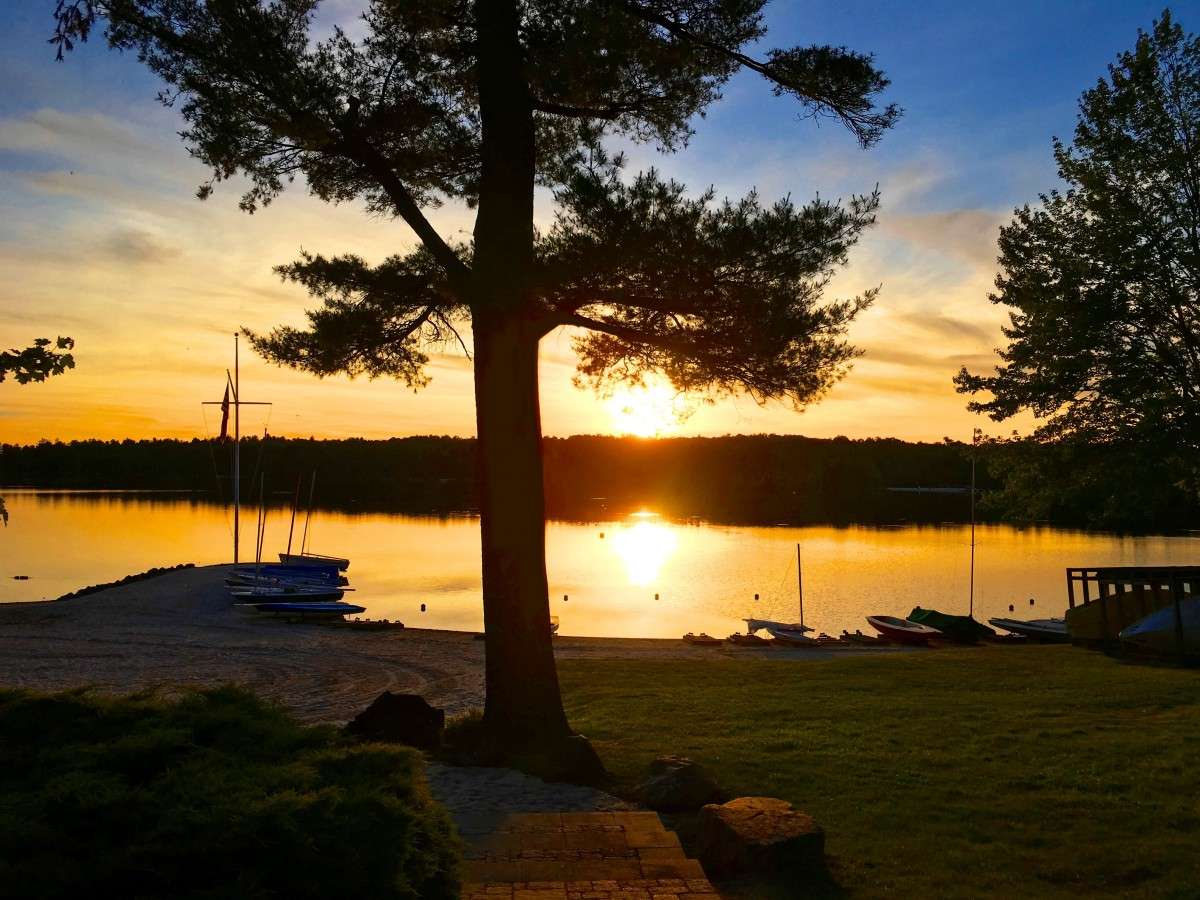
18. Indian Lake – the largest freshwater man-made lake
Indian Lake in Pennsylvania is the largest freshwater man-made lake in Pennsylvania as of now. The surface area of this lake is 499 square miles.
This lake has a shoreline length of 69 miles. The lake has water volume of 14 cubic miles. Moreover, the maximum depth of this lake is 17 feet. It is located at the Somerset County.
Indian Lake is a horseshoe-shaped freshwater man-made lake in Somerset County, Pennsylvania.
It is located in the Laurel Highlands of Pennsylvania, a high location noted for its spectacular mountain scenery and steep topography.
Only tourists, property owners, and their visitors are able to enjoy the natural beauty and diverse hobbies that this lake has to offer because it is a private lake.
Calender Run and Clear Run are the two streams that feed Indian Lake. The lake is roughly 500 acres in size and has 20 kilometers of shoreline.
It has a depth of 40 feet on average with bottom soil made of shale, sandstone, and siltstone bedrock.
Lake Stonycreek is to the south, and it resembles an upside-down letter “Y” linked to its horseshoe-shaped neighbor.
The 900-foot-long Lake Stonycreek Dam, an earth barrier with a maximum height of 31 feet, separates the two bodies of water.
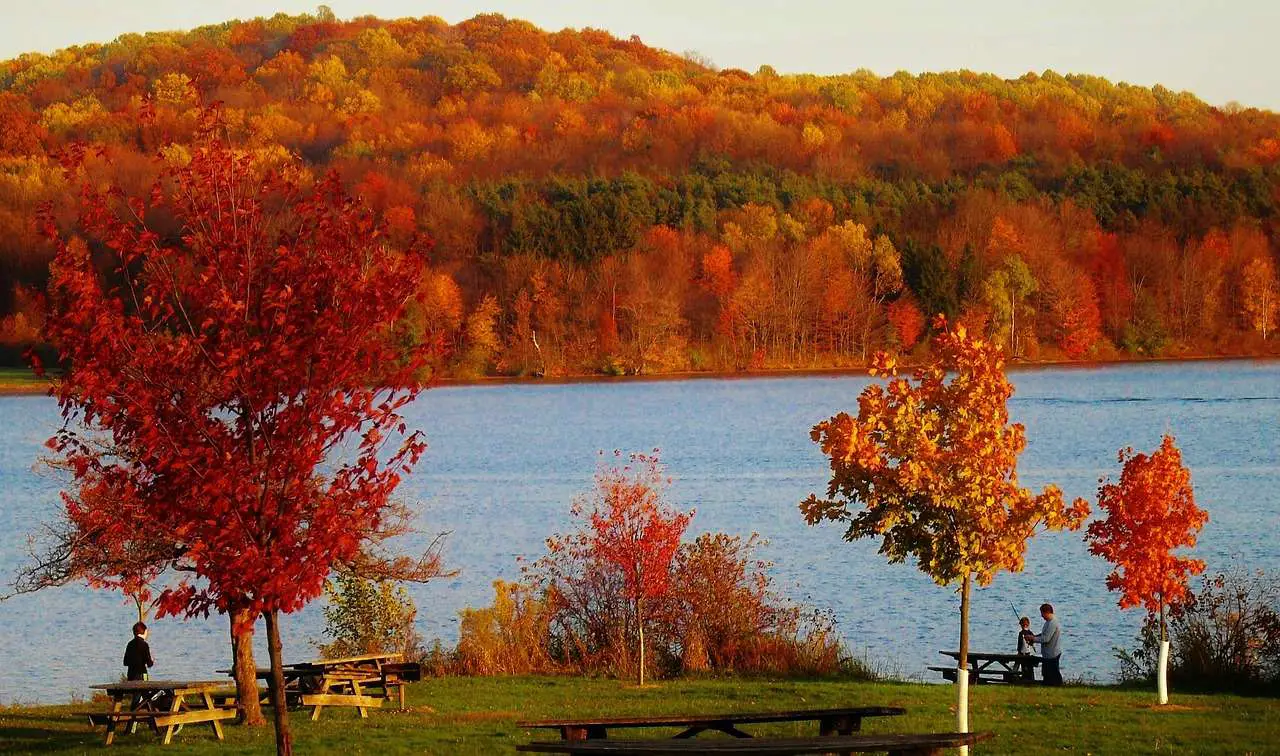
19. Beaverdam Reservoir – offers quiet fishing and scenic days on the water
If you are looking for a lake that offers a quiet fishing experience, look no further before you take a look at Beaverdam Reservoir. It is also offering scenic views to you.
The surface area of this lake is 382 square miles. This lake has a shoreline length of 46 miles.
The lake has water volume of 018 cubic miles. Moreover, the maximum depth of this lake is 22 feet. It is located at the Wayne County.
Beaverdam Reservoir, located in rural Cambria County in Pennsylvania’s Allegheny Mountains and Valleys area, offers a refreshing natural escape from the hustle and bustle of city life.
This water supply impoundment, also known as Beaverdam Run Reservoir, provides peaceful fishing and picturesque days on the lake.
The quiet is due to the fact that no gasoline engines are permitted on the reservoir, and there are no campsites, beaches, or shoreline construction to accommodate tourists.
Indeed, public access to the seas has just been available for the past 20 years. The rising productivity of the fisheries is just now being noticed.
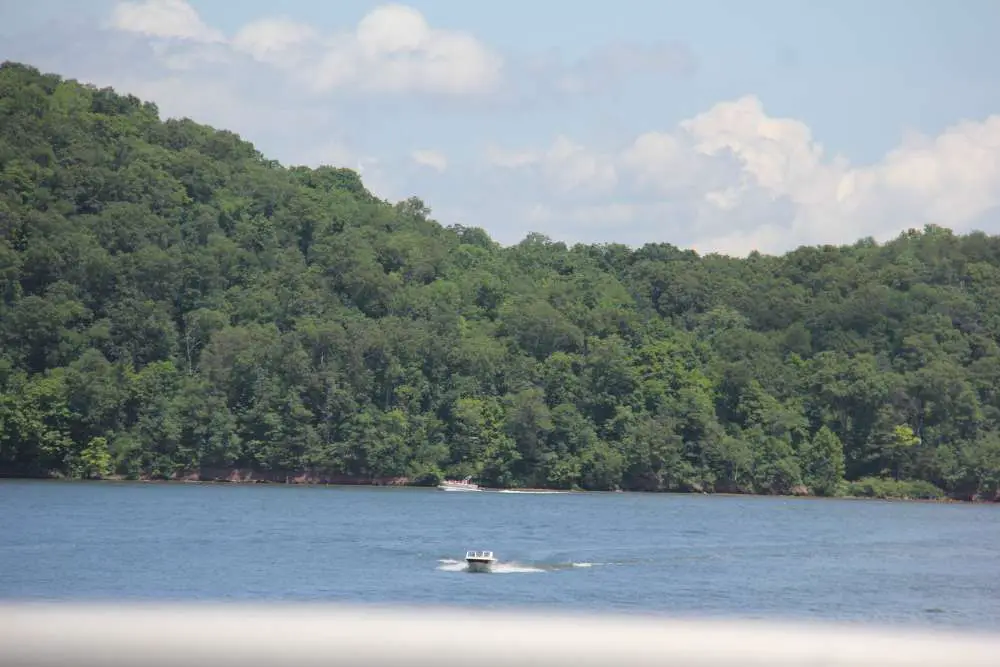
20. Treasure Lake – lake with a private residential community
Treasure Lake is a lake that is associated with a private residential community. The surface area of this lake is 379 square miles.
This lake has a shoreline length of 79 miles. The lake has water volume of 98 cubic miles.
Moreover, the maximum depth of this lake is 54 feet. It is located at the Clearfield County.
The lake Treasure has been certified as an all-sports lake. Power boats and jet skis are permitted as long as they adhere to the 35 mph speed restriction.
Sailing, windsurfing, paddle boating, canoeing, and kayaking are all popular activities in Treasure Lake. There is a 200-slip marina where homeowners can rent slip space.
Small boats, canoes, and kayaks are also available for hire at the marina for individuals who would rather not deal with boat upkeep.
On Treasure Lake, homeowners have access to two sandy beach sections, as well as a bath house, volleyball court, picnic shelters, and playground spaces.
Final words
These are the top 20 lakes you can see in Pennsylvania. Pick any of these lakes and you can go ahead with getting the most out of your outdoor recreational activities. You will fall in love with the unique experience offered by these lakes.

Proud owner of https://travelyouman.com/