
Texas is a massive state. Due to the same reason, the state is known for the wide-open spaces. In this massive state, you can find a large number of small beach towns as well. Here’s a list of some of the best small towns that you can find in Texas. If you are looking forward to exploring Texas, you should add these small beach towns to your bucket list and continue to explore. You can even think about moving to any of these towns. That’s because these coastal communities are some of the most affordable communities that you can find in the United States as of now.

1. Matagorda
Matagorda is one of the most beautiful beach towns that you can find in Texas as of now. People tend to call this coastal community the hidden treasure, located within the gulf coast of the state.
On the other hand, the town is quite popular for the outstanding fishing opportunities offered out of it.
Within the coastal town, you can find the Matagorda Bay Nature Park as well.
This is a massive nature park that spans an area of over 1,600 acres.
It is filled with public piers, beaches, and many birdwatching opportunities. If you want to take a break from your busy life, this is the place that you should be visiting.
If you visit Matagorda on a Saturday, you will be able to take part in the weekend market, which is taking place at the downtown courthouse square. You can shop for anything you want by taking part in it.
There are some decent accommodation facilities available within Matagorda as well.
Fisherman’s Motel, Shell Motel, and Stanley-Fisher House are some of the best options out of them. They will help you to secure a comfortable stay.
Learn about the largest natural lake in Texas
2. Crystal Beach
Crystal Beach, which is also known as Port Bolivar is a beautiful resort community located within Texas. This coastal community is belonging to the Bolivar Peninsula.
In fact, this peninsula is stretching for a distance of 27 miles. Therefore, you can discover a massive beach to spend your time on as you explore the town.
Coming to Crystal Beach will be quite a challenge. That’s because you will need to get on a ferry from Galveston. If you prefer to drive all the way to the community, you should get to high Island and come. That’s where you will have to drive for a distance of 87 miles.
Most people prefer to come to Crystal Beach along with their loved family members.
That’s because Crystal Beach is a family-friendly destination. When you are exploring the town with family members, you can experience the local nightlife and taste delicious seafood.
On top of that, you can also explore the stunning spots available for swimming.
It is better if you can plan to visit the Crystal Beach community in May or June. That’s because Texas Crab Festival is taking place here during these two months.
You will get the opportunity to explore a large number of seafood dishes as you take part in the festival. Moreover, you can buy stuff from craft vendors and enjoy live music.
If you love to play golf, you can visit the Rancho Caribe Golf Course.
On the other hand, people who love to immerse themselves in nature can think about going for a walk in the Coast Wildlife Trail in Bolivar Loop Upper region, which falls alongside Highway 87.

Read: Is Traveling A Hobby? The Ultimate Guide To An Exciting Way Of Life
Learn about the Downsides Of Traveling As A Hobby
3. Surfside Beach
People from Houston who are looking for a coastal community to spend their time in prefer to travel all the way to Surfside Beach.
In fact, you can reach Surfside Beach with a travel of around one hour. This is one of the best places available for active travelers.
That’s because you can discover a large number of watersports that are taking place within the community. On top of that, shell collecting is quite a popular activity among people who live here.
You will be able to find solutions to your adrenaline fix as you are spending your time in Surfside Beach.
In fact, the community is providing an ideal environment for you to try out new hobbies as well.
You can have the time of your life as you are staying here.
There’s a large number of vacation rentals in this community. Hence, finding accommodation to spend the nights will not be a challenge.
You can get rid of stress and blend with nature as you are exploring the Surfside Beach community.
Learn about the North Beach Campground
4. Rockport
Rockport is another popular coastal town that you can discover in Texas. In fact, the unique formation of this community has contributed a lot to its popularity.
That’s because the town is surrounded by a large number of barrier islands.
If you are looking for a peaceful and less crowded town to enjoy your time in, you should come to Rockport without keeping any doubts in mind. As you explore the town, you will also notice how it is filled with a chilling vibe.
On the other hand, Rockport is a great place available for people who wish to dine and shop as well.
You can discover a large number of cozy accommodation options within Rockport. Some of the best options out of them include Hoopes House and Lighthouse Inn.
When you are hungry, you can get into one of the restaurants, which offer the finest seafood along with craft cocktails.
You can also purchase artwork that is made available for sale by the vendors who are living within the community. You will be able to take them back as souvenirs collected during the stay.
The time that you spend in Rockport will never be boring.
That’s because you can discover a large number of activities to take part in and enjoy.
For example, you will be able to explore the Rockport Beach Park, South Austin Street Galleries, and the Rockport Center for the Arts.
You will also be able to fly a kite or go on windsurfing because of the breezy winds that are blowing across this town.
Read: Texas Outdoor Family Camping Workshops [Top 5 Ultimate List]
Learn about the Texas Outdoor Family Leadership Training at the Bastrop State Park
5. Kemah
Kemah is one of the loveliest towns that you will come across as you explore the coastal towns in the state of Texas.
This town is located in between Galveston and Houston. You can have a great time as you stroll along the boardwalk in the town.
In fact, you will be able to discover a large number of restaurants and shops as you continue to walk. On top of that, you will also notice that there are numerous amusement rides available for you to take part in.
Kemah is quite popular among tourists who are exploring coastal towns in Texas.
That’s because tourists will discover a large number of activities within this town.
Some of the most popular activities out of them include boat cruises, horse carriages, and sailing. If you are a tourist, you can engage in any activity. However, these activities are also open to the locals.
Another great thing about Kemah is that it is celebrating Independence Day on a grand scale.
You can discover iconic concerts and festivals throughout the city on Independence Day. It is better if you can take a look at the event calendar of the town before you come.
Then you will be able to walk back with a bunch of great memories collected.
People who visit Kemah as tourists should think about staying at the Boardwalk Inn. It is the most popular B&B that you can find in Kemah.
It offers outstanding views of the ocean to all the guests.
Learn about the Four Seasons Resort and Club Dallas
6. Seabrook
As you can guess by the name, Seabrook is one of the most popular boating destinations you can find in Texas.
However, this still belongs to the small coastal towns available within Texas for you to explore.
As you explore Seabrook, you will be able to find a large number of seafood restaurants, marinas, and houses that are located on stilts.
There are two highways that are running across this town.
You can call Seabrook a perfect example of a family-friendly community. This is a relatively quiet community. People who live within this community usually prefer to spend their time boating and fishing.
As you explore Seabrook, you shouldn’t forget to visit Clear Lake Park.
Then you will be able to go for a boat ride and get a fascinating view of the surroundings. You will also be able to find comfortable and affordable accommodation options here.
Out of those accommodation options, Best Western Plus Seabrook Suites is the most prominent. You will love to have a relaxing stay there after spending your day in the water.
You can also visit Habanero’s Tacos during the day, which is offering delicious meals to you at affordable prices.

Learn about the Royers’ Round Top Café
7. Corpus Christi
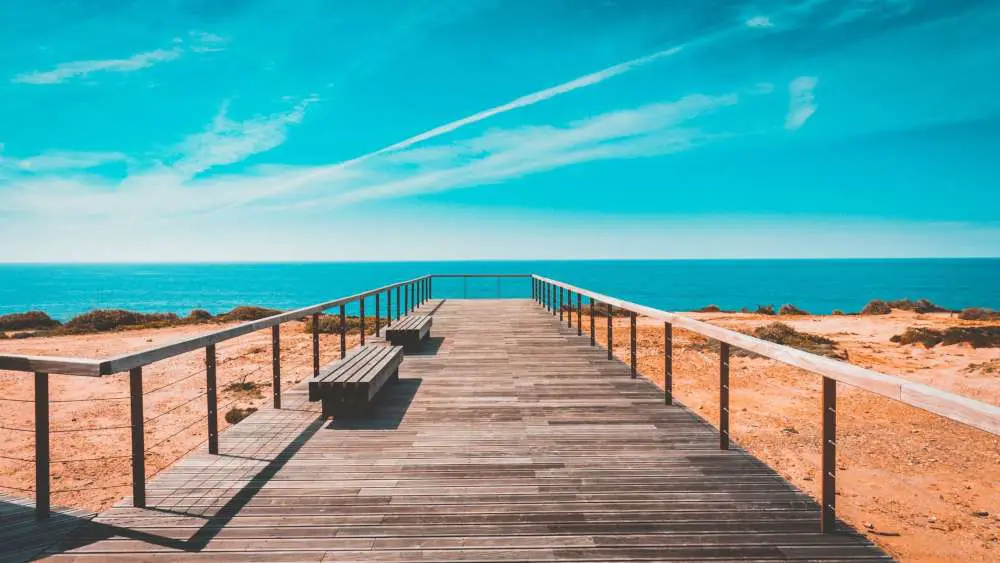
Corpus Christi is a perfect coastal town for you to settle down in.
That’s because you can discover a perfect atmosphere within this community.
For example, one part of the coastal town is filled with excitement and happening activities. On the other part of the state, you can discover a laid-back atmosphere. Depending on your preferences, you can spend your time in this community.
As of now, Corpus Christi is having a total population of around 300,000 people.
Therefore, it is a relatively large coastal town that you can explore in Texas. You can’t call this just another small beach town.
You will need to get on the bus for exploring the different parts of the town.
Some of the most popular tourist attractions that you can find in Corpus Christi include Corpus Christi Marina and Texas State Aquarium.
Along with that, you can also explore the other attractions in the region, such as the Water Street Market, USS Lexington, and the Padre Island National Seashore.
Once you are done exploring, you can visit either Andy’s Kitchen or Ginger Café. They are the most popular restaurants in the town for you to enjoy a delicious meal.
After that, you can check into one of the best hotels in the region, which include Staybridge Suites, Best Western Marina Grand Hotel, or the Omni Hotel.
Read: Bucket List [50 Things] To Do In Texas(Ultimate Guide)
Learn about Things to do in Texas during summer
8. Galveston
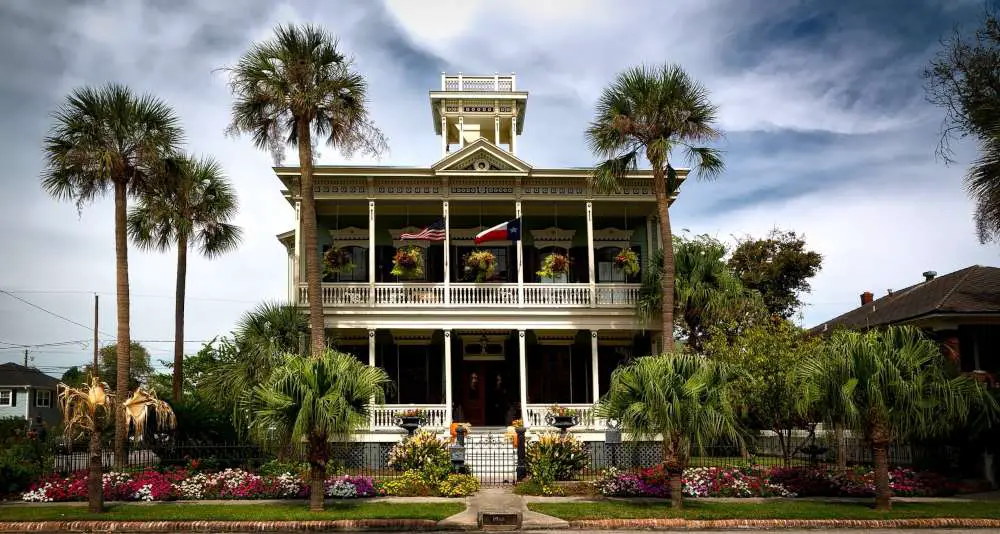
You don’t only find tiny beach towns in Texas. Among them, you can discover large-scale towns as well. Galveston is a perfect example of such a town.
In this town, you can discover a charming coastal atmosphere as well as numerous other big-city attractions. You will be able to enjoy the time that you spend as you explore this city.
Galveston is located around 50 miles away from Houston. The trip you take to visit the town is totally worth it when compared to all the great experiences that it is offering.
As a tourist, you can hire one of the local tour guides and go ahead with exploring the city. This is where you can witness all the tourist attractions located within the city.
Apart from exploring tourist attractions, you can also find a large number of sports and outdoor activities to engage with.
Some of the most prominent activities out of them include horseback riding and sports fishing.
In this town, you will also be able to find Schlitterbahn Galveston Island Waterpark, which is one of the most prominent amusement parks that you can find within the state as of now.
If you are looking forward to enhancing your knowledge as you explore Galveston, you should visit the Texas Seaport Museum, Railroad Museum, or Lone Star Flight Museum.
They will help you and your kids to walk back with enhancing knowledge.
Another great thing about Galveston is that there are few RV parks.
Hence, you can think about coming to the Galveston in your RV as well. It will provide a unique camping experience, which you will not forget for the rest of your life.
Learn why Galveston is one of the best beach towns in texas
9. Port Aransas
Port Aransas is a coastal town that is located towards the end of Mustang Island.
This is one of the under-developed regions you can find in Texas. However, it is quite popular as a small-scale tourist town.
There are few delicious restaurants and sandy beaches. You can also discover a unique arts scene as you continue to explore this town.
People who prefer to take a break from city life and relax should think about coming to Port Aransas. The atmosphere that you can find here would provide an ideal environment for you to relax.
On the other hand, you can call this a great place available for fishing as well. This is one of the fishing capitals that you can discover within the state of Texas.
Shelling, kayaking, and boating are some of the most popular activities that you can do as you continue to explore Port Aransas. These activities will keep you engaged, and you don’t have to do anything at all. You can also access Port Aransas easily as it is located just an hour’s drive.
Port Aransas is quite popular among RV owners.
That’s because there are facilities available for you to take the RV right into the beach and have a great time.
On top of that, you can discover numerous vacation rentals within the community as well.
If you are looking for upscale accommodation, you can reserve one of the resort hotels, such as the Seashell Village Resort, and the Pamilla Beach Resort.
Learn about Lake Palestine that is an excellent location to start if you’re wondering how to catch bass in Texas.
10. South Padre Island
South Padre Island is not a town, but an island.
However, it is pretty much similar to a town and that’s why we thought of including it in the list. This island is located within the tip of Texas.
If you are looking for the best beaches in Texas, you can consider coming to South Padre Island. This town is quite popular among people as a great destination for spending the spring season. It is also a paradise for the wildlife and outdoor enthusiasts out there.
You can discover a large number of fun-filled activities to do here on South Padre Island.
These activities include dolphin watching, horseback riding, sport fishing, and sandcastle building.
You can easily access the Schlitterbahn Waterpark during the stay. This is where massive saltwater fishing contests are taking place.
If you are feeling adventurous, you can think about going snorkeling, kiteboarding, diving, and windsurfing.
You can even think about visiting South Padre Island during the winter season as there is a mild climate.
Some of the most prominent restaurants that you can find in South Padre Island include the Beachside Bar and Grill, the Padre Brewing Company, and Yummies Bistro.
You can stay at the La Copa Inn Beach Hotel or Isla Grand Beach Resort, which provides comfortable accommodation options.
Read: [Top 10] Texas Beaches That Are So Gross You Could get Sick
Learn about the Pleasure Pier bacteria concentration is over 104cfu per 100ml
Final words
Texas is a perfect state for living or tripping. Any person who wants to get the best out of spending time in Texas can think about visiting any of these coastal cities. Then you can have the time of your life, and gather a lot of unique memories.

Proud owner of https://travelyouman.com/
Yee-haw, we love Texas! Lived there a decade. Very friendly place, diverse and proud of it.
My wife and I have tickets for a couple Houston Astros games in July. My idea would be to find affordable lodging southeast of Houston along the I-45 corridor. Then we could take a relatively short ride to the ball park and be in good position to visit your one your recommended beach sites – Seabrook and Clear Lake Park. Any thoughts on this strategy would be appreciated. Thanks . USFMAN