
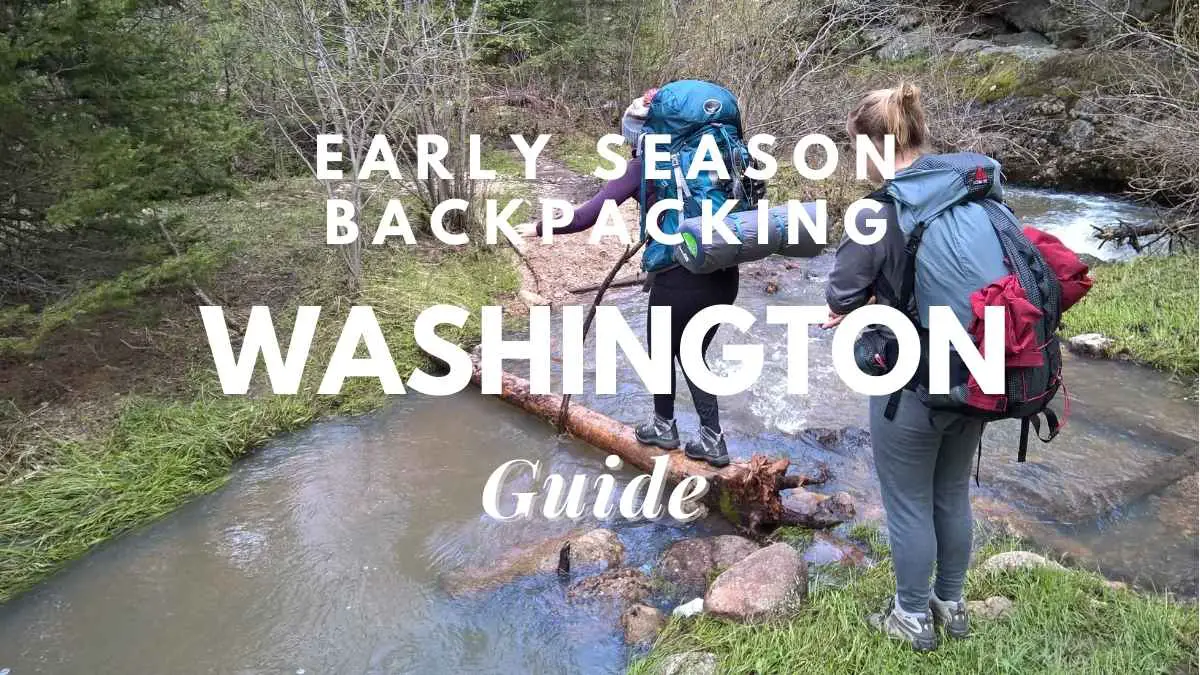
You’re itching to go out with your overnight pack, but you’re upset that so many of your hiking alternatives are still covered in snow? Maybe you’re new to backpacking and want to start with some simpler alternatives. You’ve come to the correct location! We’ve compiled a list of ten early-season backpacking adventures to help you get your season off to a great start (and most of them are suitable for beginners!). To assist you in deciding where to begin, we’ve categorized them in order of difficulty from simplest to most challenging. In this article about early season backpacking Washington, we are going to share more details with you on how to backpack when you are enjoying your time in Washington.
These walks will be snow-free and available to explore much earlier in the year due to their lower elevation. Most are best done in the spring and early summer, but some may be done in the winter if you’re serious about getting outside (we did Baker Lake in January!). These treks are also less demanding since they are at a lower level, making them ideal for beginners. Weather and trail conditions may change dramatically from year to year, so do your homework, check the forecast, and read previous trip reports before going out.
1. Visit the Foggy Lake and Gothic Basin
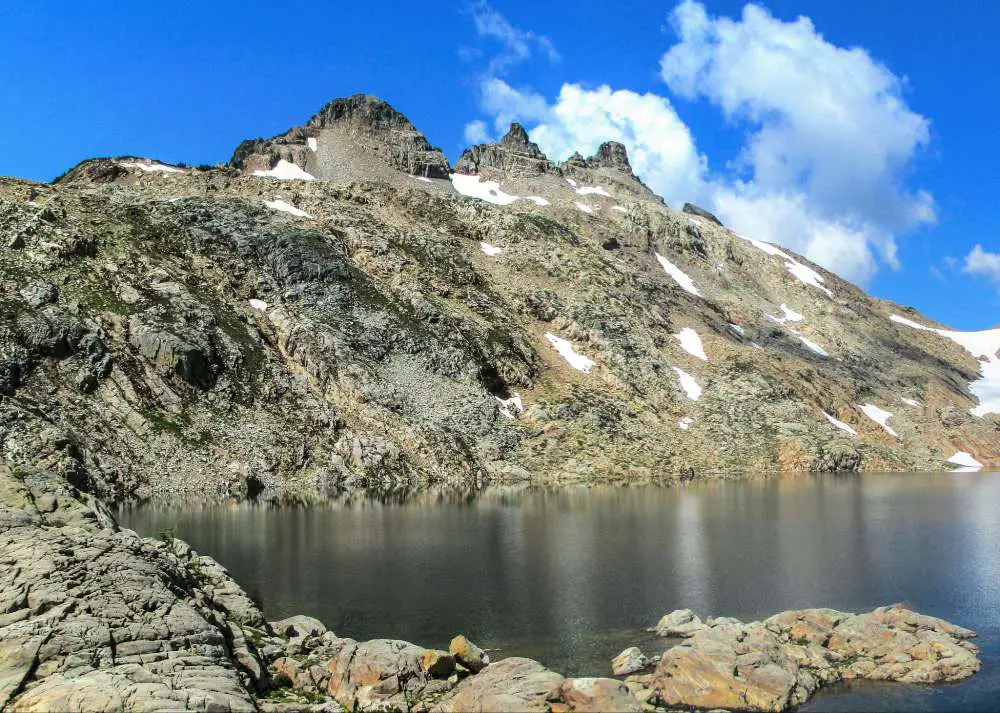
If you live near Seattle, Gothic Basin is one of the simplest novice backpacking hikes in Washington State.
This overnighter is located on the Mountain Loop Highway (Granite Falls, WA) and is ideal for individuals who wish to sample mountain camping without having to go too far.
For a condensed backpacking journey, there are steep parts, a waterfall, and a mountain pass (with views of the Monte Cristo region peaks).
In the early season, expect a scramble, areas of wildflowers, and maybe snow.
Camping is allowed without a permit, but arrive early to secure a site, since this is a popular area, particularly on weekends.
Read: Is Traveling A Hobby? The Ultimate Guide To An Exciting Way Of Life
Learn about the Downsides Of Traveling As A Hobby
2. Ancient Lakes
Get a taste of the desert without leaving the state!
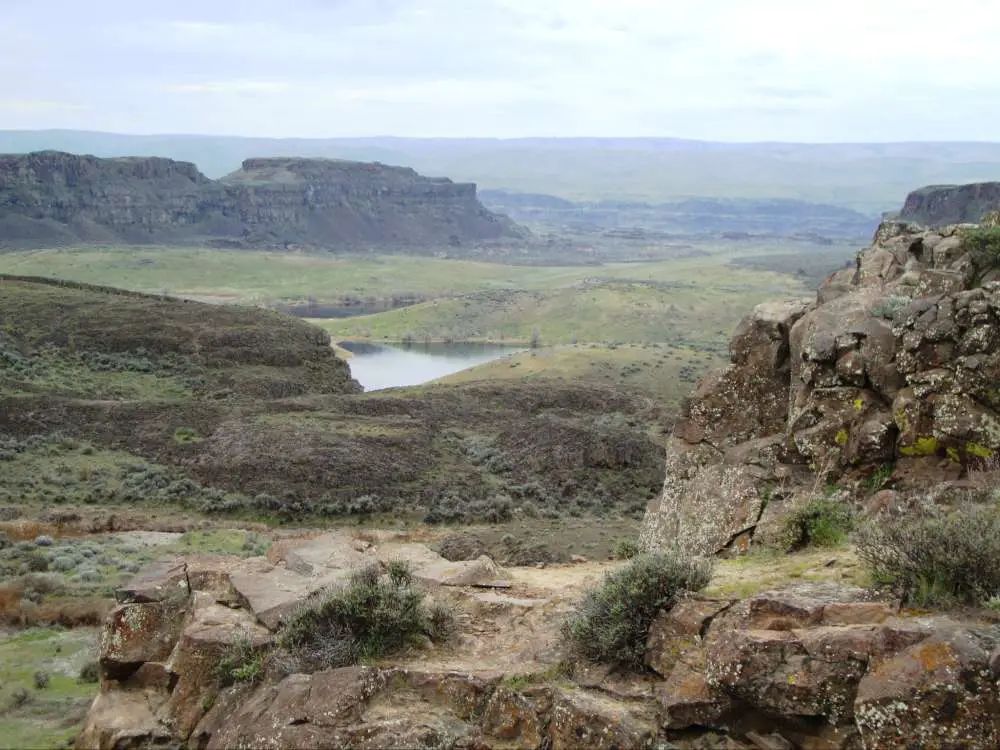
Ancient Lakes in Central Washington transports you to the beautiful canyons of Utah, although it’s just 2.5 hours distant from Seattle.
Hike through a recessional-cataract canyon, lovely lakes, and various paths in the vicinity to observe this geological marvel.
The Ancient Lakes Basin may be reached by a variety of ways, depending on your preferences.
The Upper and Lower paths, with rich desert plant life, vistas, and geological marvels, are one route that goes to Judith Pool and the others are Upper and Lower trails.
In the early camping season – April and May – it’s one of the greatest introductory backpacking excursions in Washington state.
Note that the lakes are not suitable for filtering water, so bring extra clean water to last the duration of your stay.
Learn about Hoh Rain Forest Loop trail
3. Lake Barclay
Barclay Lake is a gorgeous and simple trek near Seattle, but did you know it’s also a great place to camp?
Because it’s just 4.4 miles roundtrip, this is an ideal short Washington backpacking trip for families.
There isn’t much elevation increase, but the final result is lakeside camping, so it doesn’t get much more Pacific Northwest than that!
This area receives a lot of rain each year, so even if the forecast says otherwise, be prepared for rain showers!
Before leaving the campground, pick up a Northwest Forest Pass and place it on your car’s dashboard.
Otherwise, it’ll cost you $5 per day per car!
Are you unsure which Pacific Northwest forest pass to purchase?
Read the rest of our PNW Forest Passes guide here!
4. Second Beach in La Push
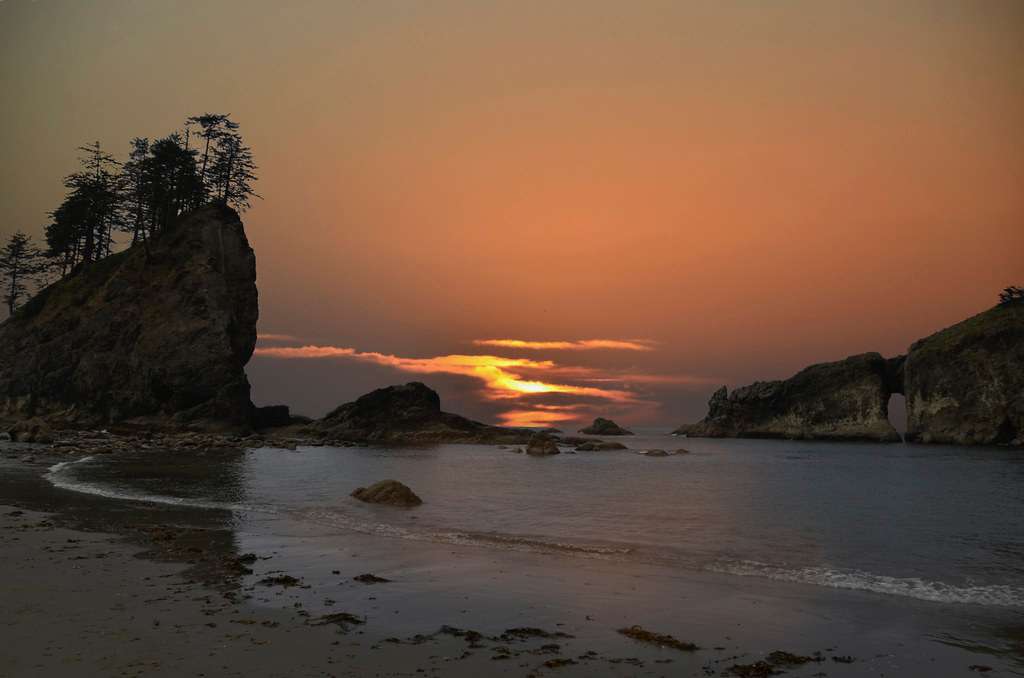
Second Beach in La Push is the ideal place to get your feet wet (literally!) if you’ve ever been fascinated about camping on Washington beaches.
Because of the short distance, excellent vistas, and straightforward permit procedure, it’s one of the greatest novice backpacking excursions in Washington State.
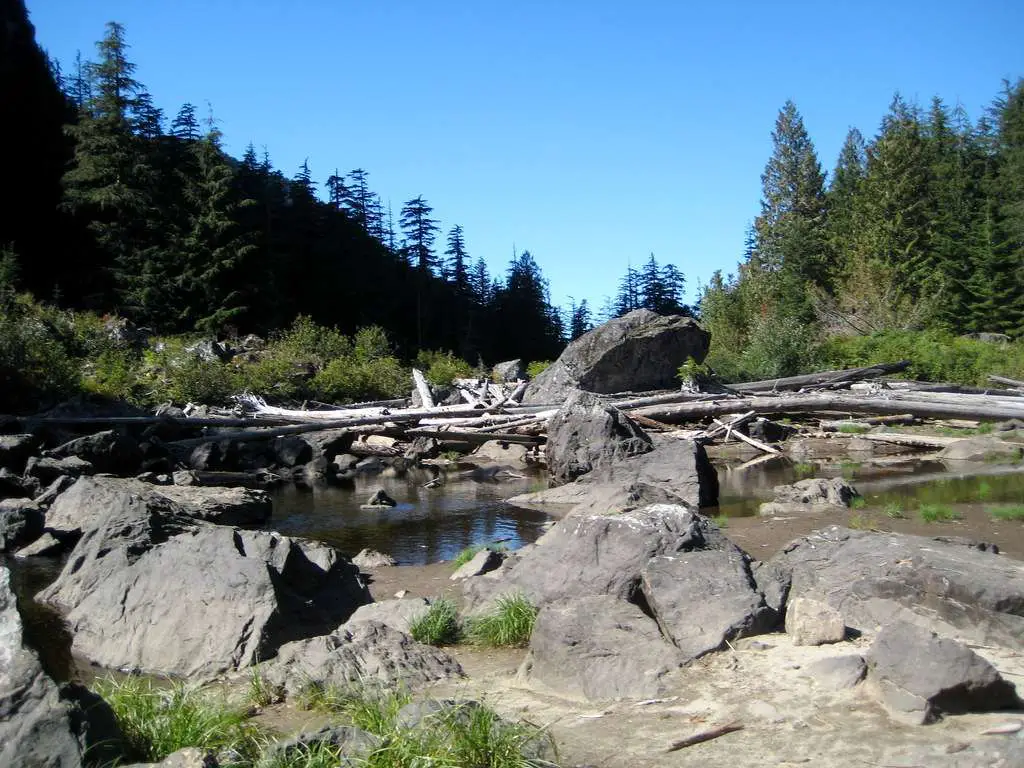
A short walk leads to a hidden cove with ideal camping space amid the driftwood logs at Second Beach.
Come to witness amazing summer sunsets behind the sea stacks right offshore and have beach bonfires with your friends.
It’s one of Washington’s greatest short backpacking adventures, perfect for novices and families!
A camping permit (as well as a bear canister!) is required for this beach, so pick one up at the Wilderness Information Center in Port Angeles or the Lake Quinault Ranger Station.
5. Triangle of Ozette
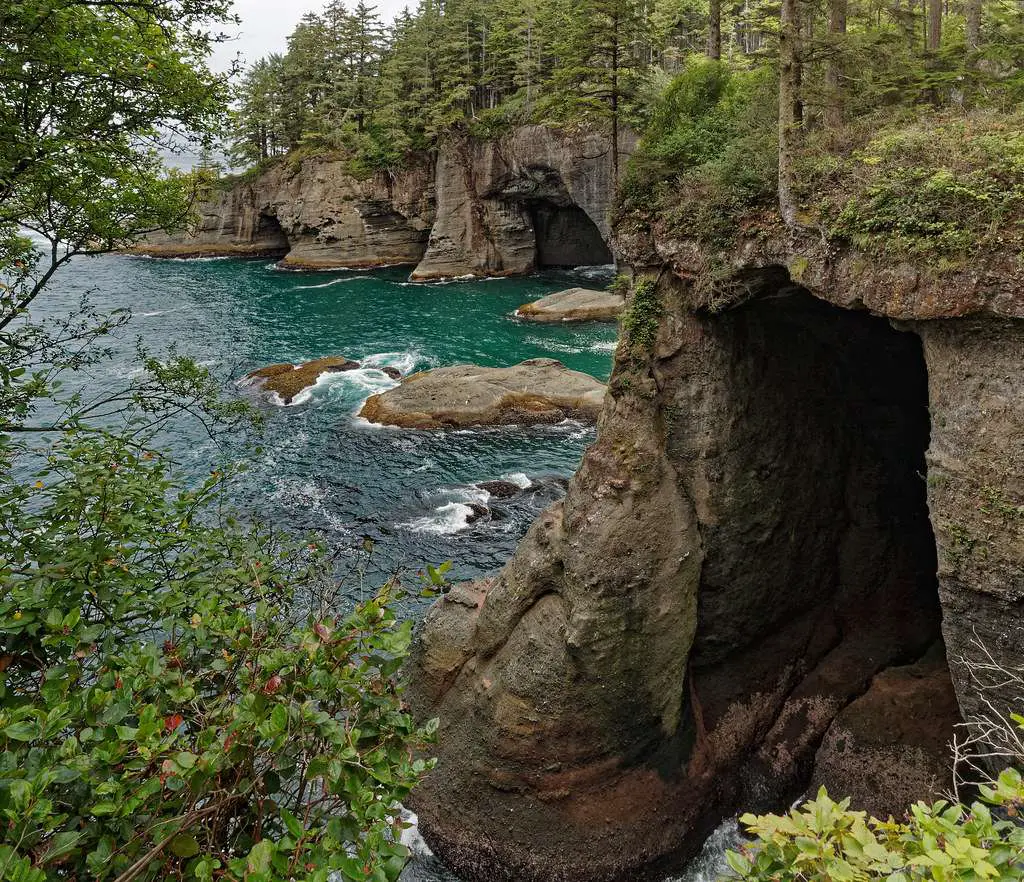
Consider hiking the Ozette Loop in Olympic National Park for a beginning backpacking trip in Washington that is more than simply an overnighter.
This route will take you through Washington’s deep temperate rainforest and out to a peaceful portion of the Washington Coast.
You’ll sleep on the beach, stroll through woodland boardwalks, and trek along some of Washington’s most remote and gorgeous beaches.
Don’t forget to stop at Cape Flattery Trail on your way out — it’s located in the furthest northwest corner of the lower 48 states!
6. Enchanted Valley in Olympic National Park
The Enchanted Valley, located along the East Fork Quinault River Trail, is one of the coolest bits of Olympic National Park history.
This easy novice hiking path in Washington goes to a backcountry lodge that dates back to the 1930s and was built as a rest stop for fatigued visitors.
It was originally utilized as an aviation warning station during WWII and is now used as an emergency shelter and ranger station on occasion, but it will need to be relocated before it can resume full function.
Regardless, this rough cottage, set against the backdrop of snow-capped mountains, is a stunning hiking trail stop!
7. High Divide in Seven Lake Basin
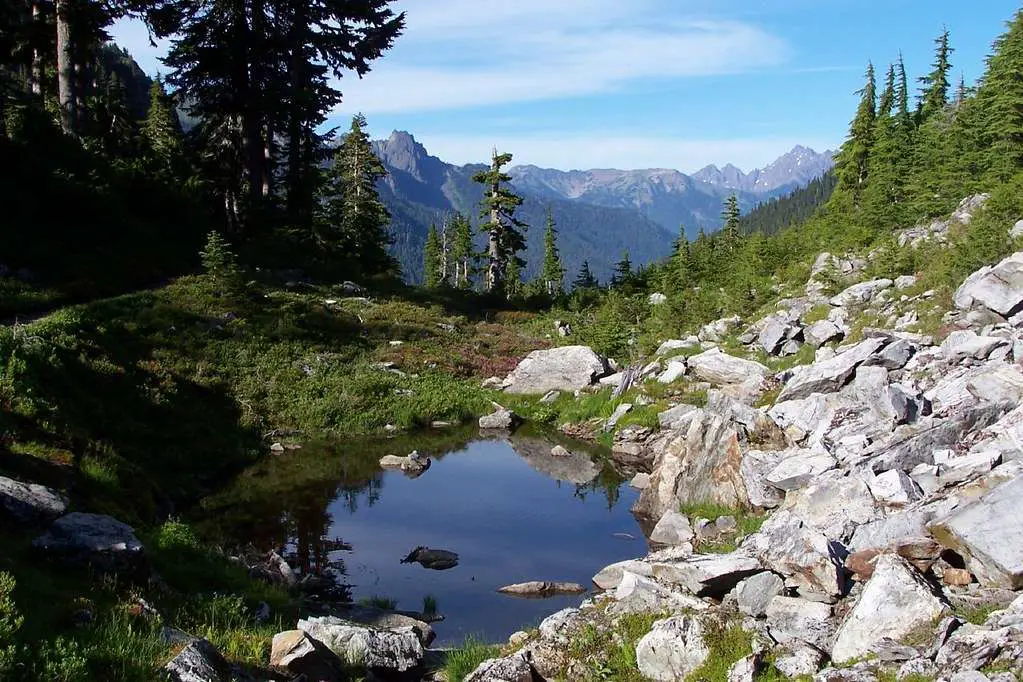
Consider the High Divide – Seven Lakes Basin Loop if you’re looking for a novice backpacking trip in the Olympics with a little more elevation.
This is an excellent ‘first challenge’ for hikers who wish to try camping at a higher level.
This path allows you to experience starry evenings (if the sky is clear! ), beautiful wildflower meadows, and multiple sub-alpine lakes.
Between May 1st and September 30th, the park recommends early reservations for this popular Olympic National Park hiking path.
Half of the campsites are allocated for walk-up permit holders, so you may try your luck at obtaining a last-minute permit, but make sure you have a backup plan in case it doesn’t work out.
Have you ever gone hiking in the Seven Lakes Basin?
Next, attempt to get a permit into the Alpine Lakes Wilderness’ Enchantments!
8. Lookout on Hidden Lake
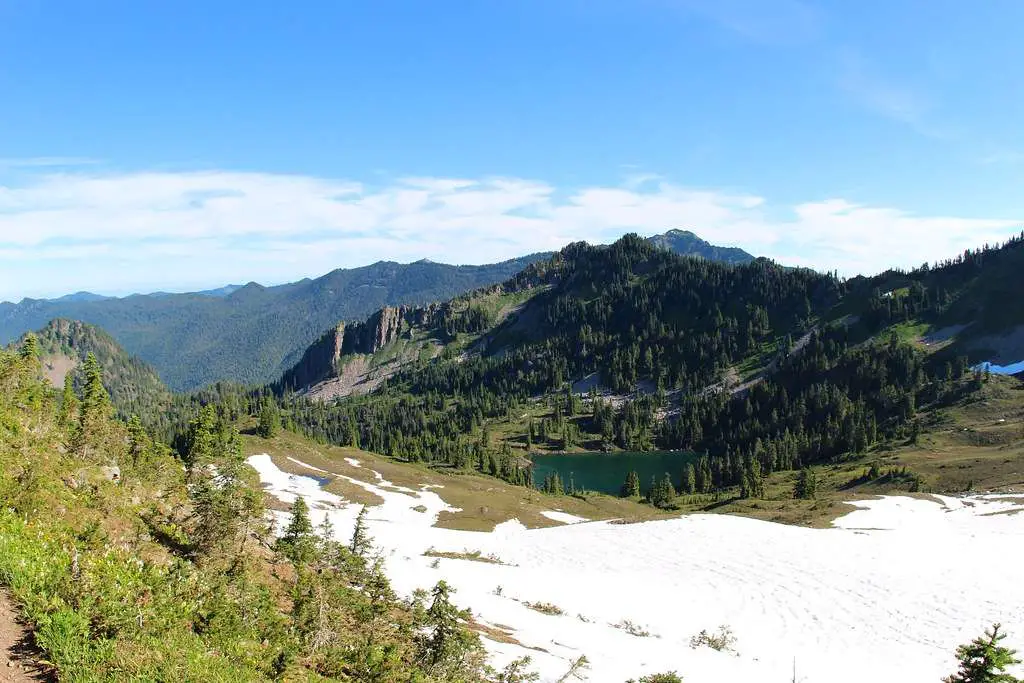
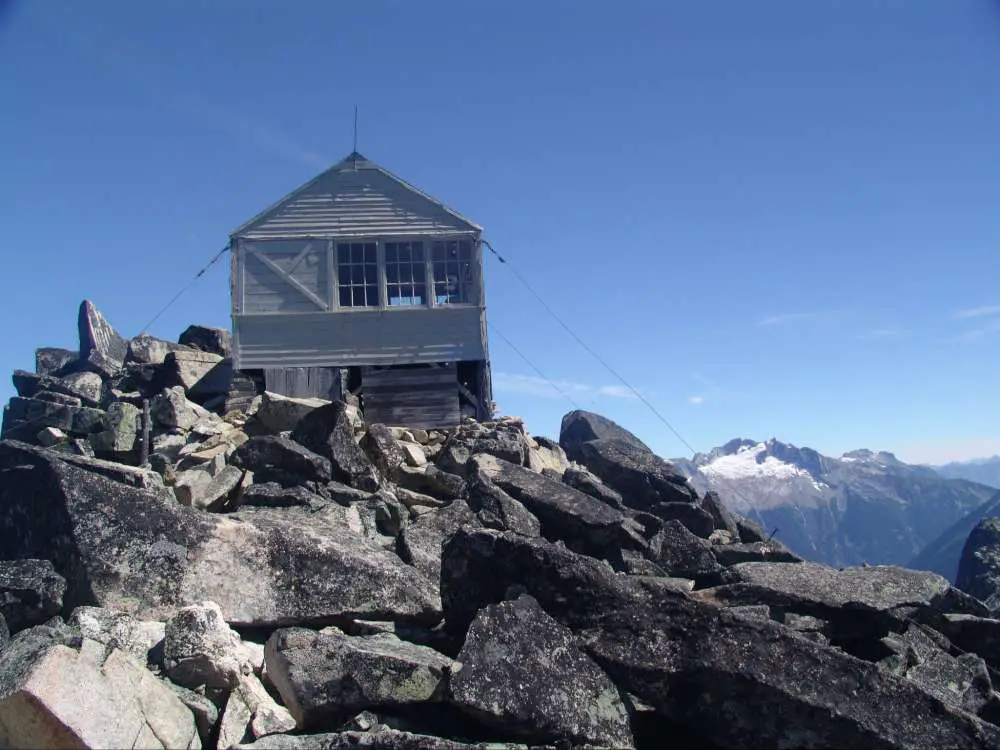
Fire Lookouts are one of the most popular summer mountain activities in Washington, and you can have your own at Hidden Lake Lookout!
This North Cascades hike is quite popular, and you don’t need a ticket to stay overnight at the viewpoint since it’s immediately outside the park’s boundaries.
However, securing a space within the building is first-come-first-served, so arrive early and on weekdays for the greatest chance of having it to yourself.
While there are no permissions necessary to see the viewpoint, permits are required to camp between the lake and the ridge, so plan ahead with alternate plans and reservations if you’re serious about this novice backpacking trip in Washington.
9. Snow Lake / Gem Lake
Snow Lake is one of Washington’s most popular hiking paths, but if you wanted to make it an overnight trip, you could trek one lake farther and camp there.
Hike beyond Snow Lake to Gem Lake for some peace and quiet and some spectacular summer sunsets.
This turquoise blue lake is swimmable, so cool off after a hard hike!
This is one of Washington’s greatest novice backpacking adventures because of its proximity to Seattle and a manageable miles-to-elevation ratio for a nice challenge (but not too demanding!).
There are no reservations required, however you must have a Northwest Forest Pass displayed in your vehicle before driving up to the lake.
10. Lena Lake
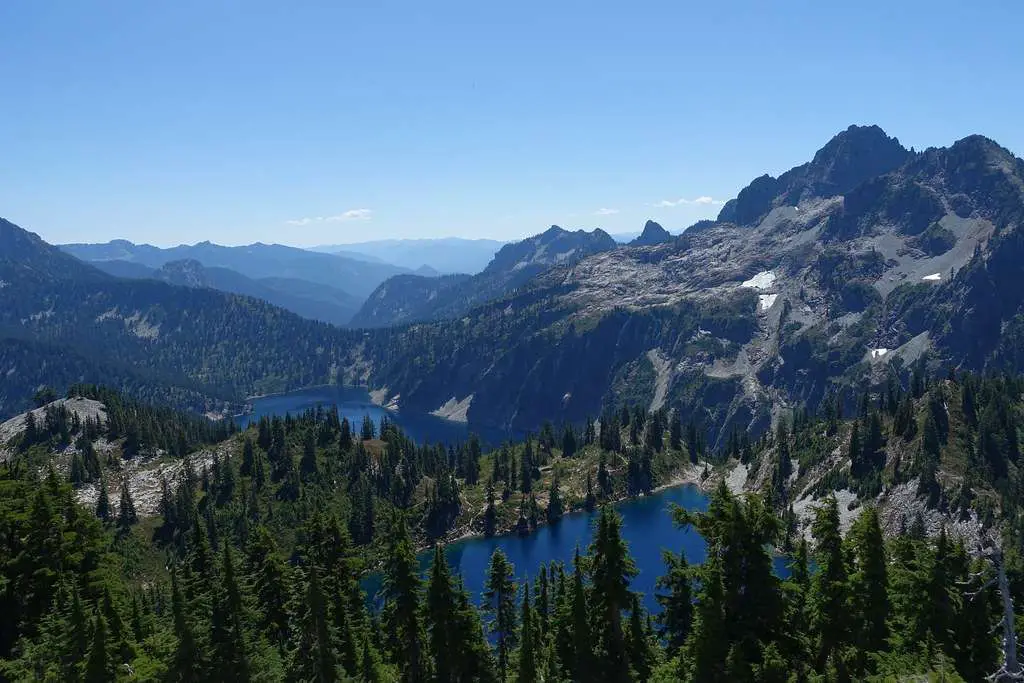
For hikers of all levels, the journey to Lena Lake is some of the greatest backpacking in Washington.
The route begins with switchbacks leading up into the forest, where old-growth woodlands and towering trees offer a haven for everyone.
Enjoy the tranquil times nestled away in the Olympics by camping near the lake’s shore.
This can be one of the greatest Washington beginning backpacking excursions for you if you’re seeking for a typical Pacific Northwest weekend!
Planning your backpacking trip to Washington
So, ideally, you’ve been on a day trek before.
If you haven’t already, attempt several days walks before committing to an overnight trip.
Make yourself at ease in your hiking boots, confident in your ability to pace yourself on the route, and aware about the fundamentals of hiking.
Here’s what you need to know before you plan your backpacking trip to Washington.
Overnight hiking requires more equipment, preparation, and knowledge and abilities.
Talk to friends who backpack before upgrading from day trips to overnights.
Make plans to go on a one-night excursion with someone who has done it previously.
Take a lesson or join a group that organizes guided overnight treks, such as the Mountaineers.
If you’re ready to take the leap and try backpacking this summer, we’ve compiled some helpful preparatory advice.
How to choose the best backpacking trail
It’s a good idea to take an overnight trek or two while you’re just getting started before moving on to multi-day hikes.
Make an overnight trek out of a popular day trip by camping where you’d ordinarily turn around (just make sure it’s legal!).
This will not only give you a decent understanding of what to anticipate on longer walks, but it will also help you become in shape for backpacking.
When planning a backpacking trip, thorough research is essential.
Guidebooks, as well as the WTA’s Hiking Guide and Hike Finder, are excellent tools.
Once you’ve narrowed down your options, check out WTA’s trip reports to see what other hikers have experienced on the path.
Whether there aren’t any recent trip reports, phone ahead to the ranger station to see if the path is open and if there are any felled trees, river crossings, or other obstacles that may make the journey too difficult.
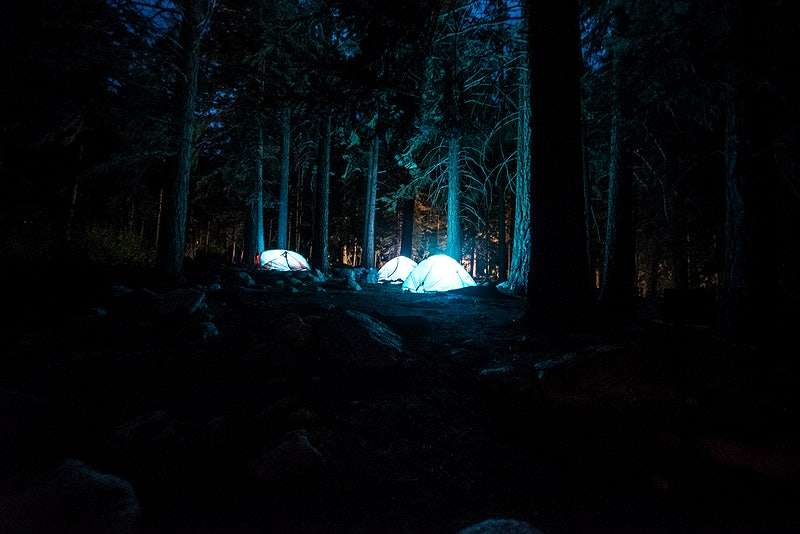
What passes and permits do you need?
It’s never a wonderful feeling to return home after a trek and see a ticket on your windshield.
Most guidebooks, including the Hiking Guide, will advise you whether you need a pass or permission to walk a particular trail.
You may also find out more by visiting the WTA’s recreation pass website or calling the ranger station closest to the trail.
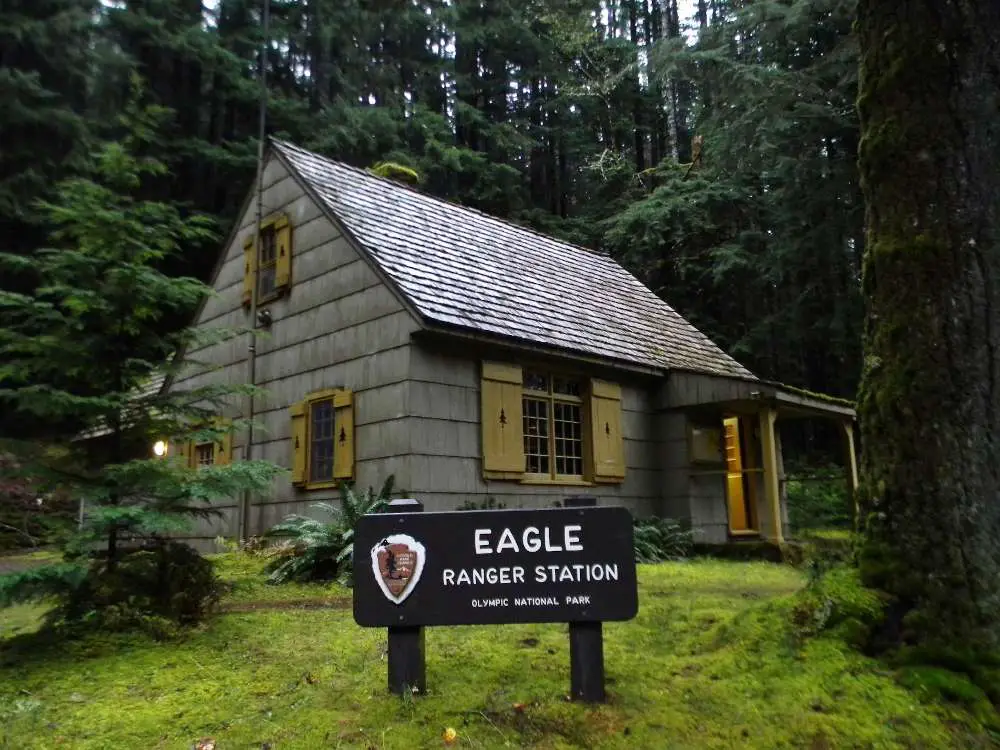
Creating a travel plan
If you stick to paths and use common sense when hiking, you’ll almost certainly never get lost or badly harmed.
If you do get into danger, making a travel plan and leaving it with someone you trust may greatly improve your chances of getting back to safety.
Details about who’s hiking, cell phone numbers, when you plan to leave, where you’re going (where you’ll park, which trailhead will be your starting point, which routes and campsites you plan to use), when you expect to return, and the license plate and make of the car you’ll be driving should all be included in your plans.
Stick to the plan, and have this person start a search if you don’t show up when you’re supposed to.
It’s also a good idea to drop off your plan with the local ranger station if you’ll be going off-trail or through especially difficult paths.
Before you start the trail, let anybody who was given a copy of the plan know if your plans have changed.
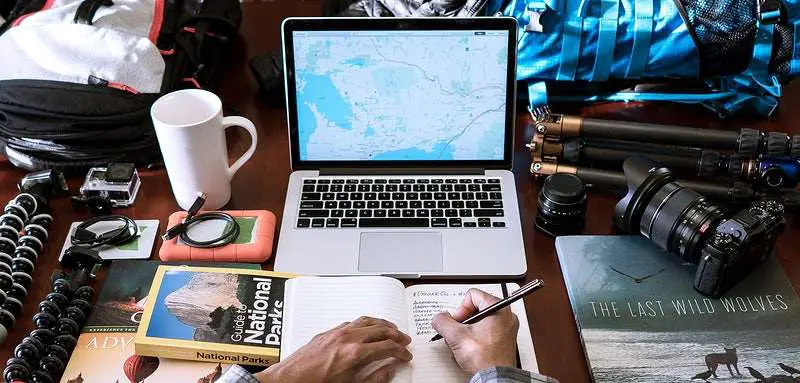
Getting ready with maps
To prevent needing to utilize significant navigation, prepare to do your first backpacking excursions on trails.
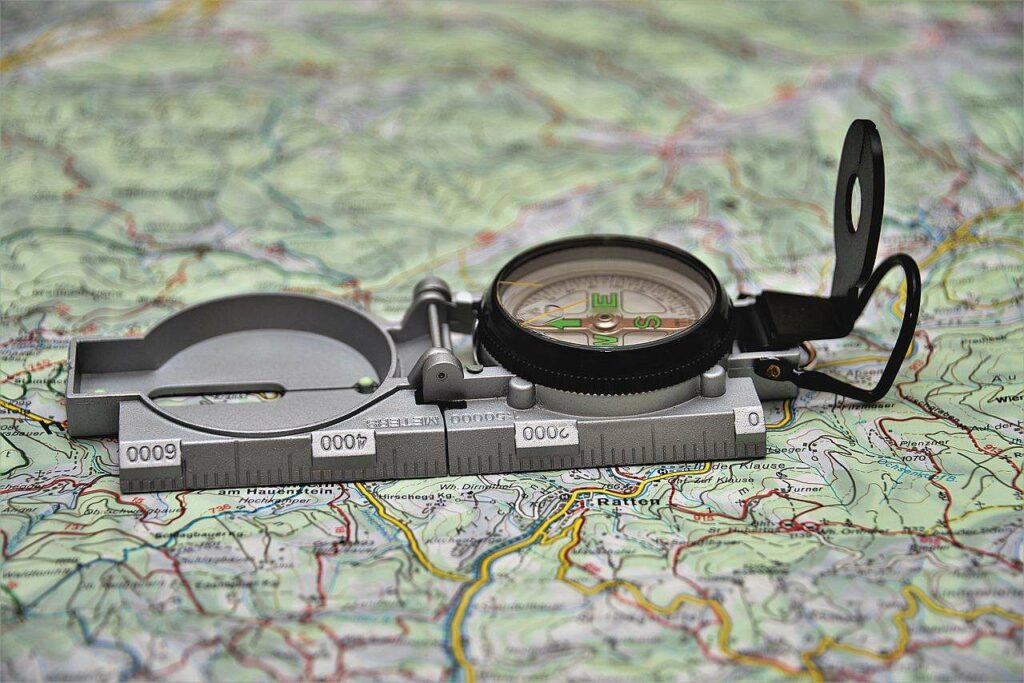
You will, however, need a topographic map of the path and surrounding region, as well as a compass, just in case.
If you become lost, know how to utilize them.
Hikers will benefit from topographic maps from Green Trails and Custom Correct Maps since they are updated with current trail information.
Topo maps from the USGS are more detailed, but they aren’t updated as regularly.
Maps may also be printed from a number of software packages, including on waterproof paper.
Final words
Now you are ready to go ahead with early-season backpacking Washington. Keep these tips in mind and go ahead, and you will enjoy the experiences coming on your way.

Proud owner of https://travelyouman.com/