
Some people’s choice of a permanent homeport will be influenced by geography, but it’s not always a question of whether locations are “better” or “nicer” than others. That is arbitrary. Your preferences, requirements, and dealbreakers will ultimately determine the decision you choose. You could be seeking a bustling metropolitan lifestyle, a touch of southern charm, a sunny island getaway, or a mix of all of these things.
If you’ve read all the articles in our liveaboard series, you’ll know that, despite the challenges, owning and living on a boat may provide you access that landlubbers cannot. These insights come from Marissa and Chris, Nick and Lee, and Libby and Raul. The opportunities are endless if you commit to the highs and lows of this way of life. If you are looking for the best liveaboard marinas Massachusetts, continue to read. We will be sharing 3 of the best options available out there to consider as of now.
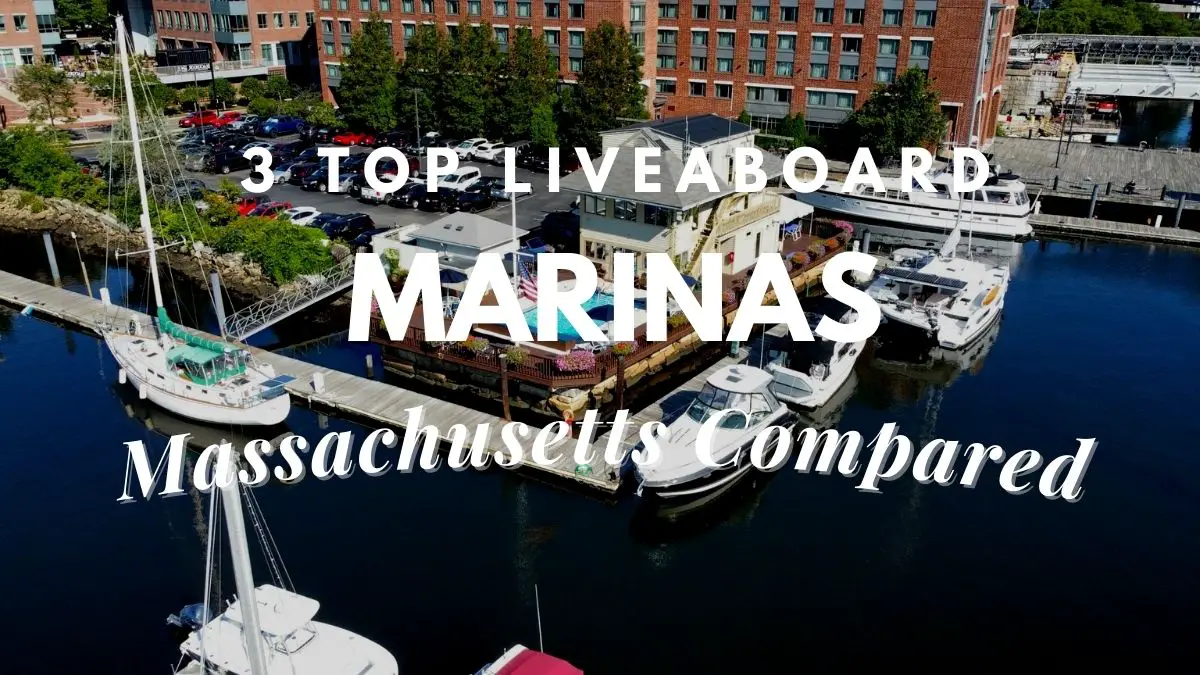
1. Boston Marina
For those seeking to reside on a picturesque metropolitan waterfront, Boston, the “City on the Hill,” provides a wealth of experiences. Delicious meals, top-notch healthcare, history, a plethora of career or further education options, and ardent sports fans may all be found here. Its nickname, “Title-Town,” is not a typo. You won’t have any issue finding a location to park your boat as the ancient city’s topography is made up of water in more than one-fourth of its area.
Read: Is Traveling A Hobby? The Ultimate Guide To An Exciting Way Of Life
Learn about the Downsides Of Traveling As A Hobby
2. Constitution Marina
The Boston Garden and the North Station transit line, which connects you to the whole city, including Logan Airport, the New Encore Boston Harbor Casino, and outlying areas, are both only a 5-minute walk away from the Inner Harbor hotel in Boston. Every summer, boaters from all over New England and beyond choose to dock at Constitution Marina.
3. Boston Waterboat Marina
Boston Waterboat Marina, which is situated on the famed Long Wharf in Boston Harbor, is a short distance from Quincy Market, the New England Aquarium, Faneuil Hall, and a wide variety of top-notch restaurants. This calm and secure marina is adorned with charm and breathtaking vistas. Boston Waterboat Marina, the city’s longest continuously running yachting facility, takes pride in combining small-town friendliness with big city convenience.
Important things to keep in mind before staying at one of the liveaboard marinas Massachusetts
1. Slip fees for liveaboards
Life on a boat may be a terrific way to save money and avoid on-land living costs in addition to the freedom and adventure it offers. Even though you wouldn’t be renting a typical home, you would still need to be mindful of the fees associated with booking a spot at a marina or anchoring at a mooring ball. It’s crucial to keep in mind while comparing these expenses that docking in a marina with a slip is more expensive than merely mooring at a mooring ball, but also provides additional facilities and easy shore access. Both docking alternatives might be more affordable than renting or living on land, depending on the size of your boat and the facilities you want.
2. Boat Services
You should be ready to pay for any additional utilities that may be required, along with the cost of docking, which varies according on the location. Utilities for living in a marina may normally cost between $100 and $300 per month, depending on whether you want to go green and utilize solar panels or conventional batteries.
3. Insurance for Liveaboards
Life may be unexpected at times, and boat life is no exception. Liveaboard insurance will shield you from the pricey repairs and liabilities that may be incurred in the case of an accident, from storm damage to mishaps. It is crucial to take into account where you are sailing, the size and condition of your boat, and your degree of sailing expertise when looking into liveaboard insurance. Liveaboard insurance may be less expensive than auto and house insurance, yet sailors often pay over $800 a year on insurance. It’s crucial to do your homework to get the insurance that may be best for you since insurance premiums might differ from sailor to sailor.
4. Loans for boats
Let’s talk about the biggest elephant in the room, which is that boats cost a lot of money. It will cost you a lot of money to buy a boat. However, much like buying a house or a vehicle, many individuals seek to loans as a supplement to their cash to purchase a boat while making mortgage payments on a regular basis. But unlike buying a house, buying a boat might be considered as a hazardous investment by lenders, making financing difficult to come by. Check out the loans that your bank is willing to give. The sort of boat you want to buy will determine the amount of the loan you are searching for.
5. Costs of Maintenance
While you consider fuel expenditures or the cost of cleaning and repainting the hull, maintenance costs mount when you live aboard your boat. As a result, it’s crucial to set aside money to maintain your craft and pay for any unforeseen costs in the event that anything breaks or has to be repaired. Maintaining your boat’s upkeep is the greatest method to save future expenses. By keeping your boat and finances in good shape now, you may save expensive, complex repairs in the future, from replacing the engine’s oil and filters to preserving the integrity of your hull. As a general guideline, budget 10% of your boat’s worth for maintenance and repairs.
6. Interior Maintenance
It is essential to be aware of the expenses involved with interior care in addition to the maintenance expenditures of living aboard a boat. Similar to outfitting a house, owning a boat can become fairly expensive. The majority of vessels have vinyl upholstery, and although this material is usually rather durable, after time it will need to be cleaned and reupholstered. Typically, the price of upholstery is between $40 and $50 per square yard. You can extend the life of your interior and maybe avoid spending extra money down the road by doing the appropriate maintenance and cleaning.
7. Boat Real Estate Taxes
Boat purchases are not subject to a federal tax, but there are several state and municipal levies. Therefore, you should be ready to pay these three primary taxes, regardless of the kind of boat you buy.
Sales Tax: If you’re not buying and registering a boat in one of the following states: Alaska, Delaware, Montana, New Hampshire, Oregon, or Rhode Island, you’ll need to pay a sales tax when buying a new boat. The sales tax rates vary from state to state. (Even if you purchase a boat in one of those five states, you will still be required to pay the sales tax when registering in a new state!)
Use Tax: A use tax is normally levied at the same rate as the sales tax but is applied to boats that have not yet incurred taxes, unlike sales tax, which is applicable at the time of original purchase.
Boaters should anticipate paying a personal property tax, just as they would for any other transportable item, regardless of the sales and use tax. However, some places have done away with the personal property tax to promote boat ownership.
Is There a Waitlist by Location?
The perfect placement is crucial! Securing liveaboard marina space has becoming harder recently because of the rise of boaters. There are even multi-year waiting lists for some of the most popular marinas. Liveaboard boaters have, however, never had as simple of access to marinas around the nation as they have today. Boaters can easily connect with marinas and docks around the nation and book marina spots in the present.
1. Private Area
When you live aboard a tiny boat, personal space is limited. Personal space is scarce, particularly if you’re living onboard with a spouse, unless you’re looking at bigger luxury boats. For some people, it could be a deal-breaker, but for others, it might actually make them more compatible. In order to guarantee your comfort throughout your liveaboard voyage, it may be preferable to choose bigger boats rather than smaller ones if space is an issue for you.
2. Space, Amenities, and Connectivity
It will take some getting used to living on a boat. Although the close quarters could be challenging to get used to, you might eventually adjust and come to appreciate the lifestyle. However, other than when docking at a marina, amenities like hot showers, laundry, wifi, and socializing are not easily accessible. You will have access to bathrooms, hot showers, laundry rooms, internet, and water hookups while moored. Anyone who lives on a boat must take the weather into account. Being more exposed to the elements makes life on a ship difficult when there are storms or bad weather. Instead of being anchored or docked at a mooring ball, you will have better weather protection if you decide to stay in a marina.
3. Security and Safety
Safety should be the top concern when choosing a place to live. Make sure that all of your safety gear, such as CO2 detectors, fire extinguishers, and life jackets, are up to date. Every person aboard should have a life jacket, and everyone should know how to use it. Additionally, keep your safety in mind when you are at marinas and are walking to and from your craft. With the right precautions, you can ensure the safety of both your boat and you while living aboard a boat.
4. Boating abilities
You should be aware of the abilities required to operate and maintain a boat before making the leap. You should have confidence and be able to handle various outcomes and accidents, should they occur, when it comes to boat maintenance and operation. Before deciding to live on your boat, we advise beginning your sailing and boating education by taking some lessons. This will help you avoid costly repairs down the road and keep you safe. Your boating skills will improve over time as you get more accustomed to life on board, but building a strong foundation is essential before setting out on your journey.
5. Regulations and Rules
Just like any other type of living situation, living aboard has rules and regulations. Before boarding your boat, it is crucial to familiarize yourself with the boating and liveaboard boating laws that apply in your state and community. When docked, be sure to review the regulations of your marina, particularly their liveaboard regulations. Always observe the quiet hours and show consideration for other boaters in the area.
Which Boat Types Are Livable?
It’s a big decision to decide which boat you want to live on. There are a lot of options when it comes to buying your boat, considering factors like cost, style, size, and use. Here are a few boat types that are better suited to the way of life.
Catamarans: Catamarans are double-hulled sailboats that make excellent live-aboard boats. Due to their size compared to a typical sailboat, they can accommodate amenities like a kitchen, a full-size fridge, and additional living space. These boats can be expensive to buy and maintain because of the additional space’s hefty price tag. The benefits of fuelless sailing are identical to those of a single hull sailboat, though!
Sailboats: Sailboats are a great choice for those looking for an affordable liveaboard experience as well as those looking for adventure. These boats are significantly smaller than other boats and do not have comfort features like full-size refrigerators, showers, or hot water. They make up for their lack of ready comforts with their flexibility for adventure, though! (Cut fuel costs as well!)
The most space-efficient boats that provide more living space per size are tugboats and trawlers. They provide above-water living quarters and can be thought of as the penthouse of liveaboard boats.
Houseboats: Houseboats, which are frequently spotted on lakes and rivers, are comparable to RVs. These boats are the pinnacle of comfort and typically come with a full-size refrigerator and kitchen, but because of their size, they will cost more. Additionally, these boats are less adaptable for adventures than others.
Permanently moored residences known as floating homes are comparable to on-land residences in terms of price and upkeep.
Final words
A fantastic adventure that lets you see the world and meet new people is a liveaboard trip. From the cost of a practical lifestyle to the constant opportunity for adventure, living aboard a boat can be a remarkably liberating and fulfilling experience. Oceanic splendor and marine life are unquestionably positives!

Proud owner of https://travelyouman.com/