
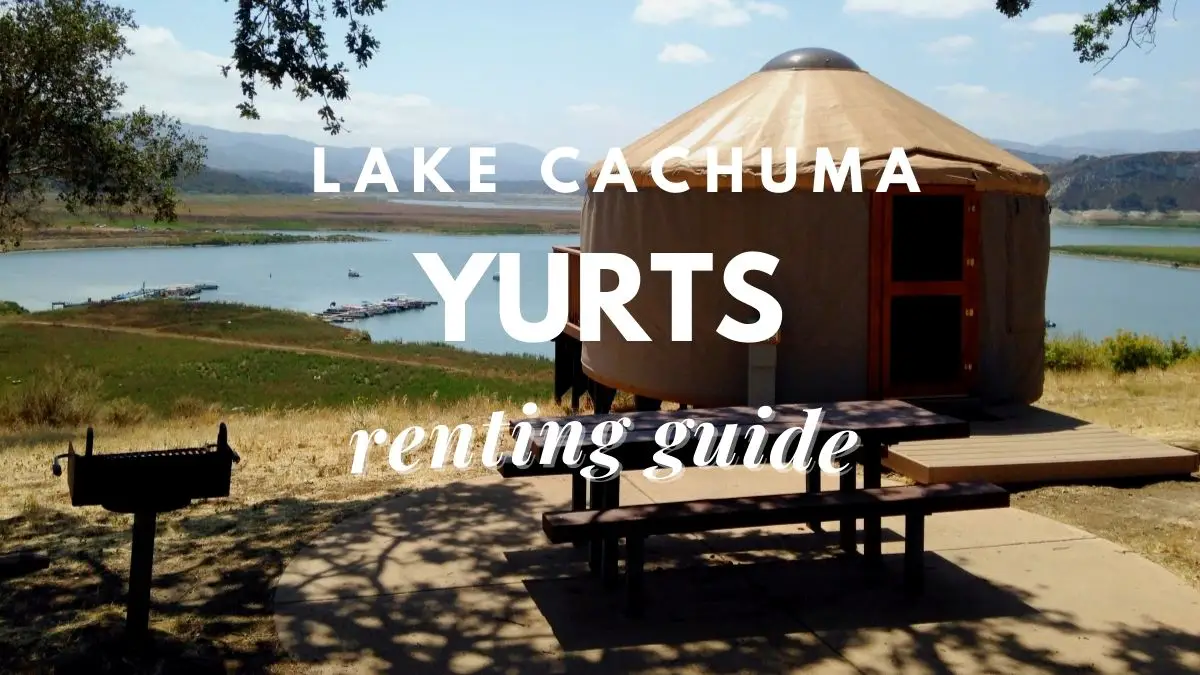
Lake Cachuma is a beautiful and serene destination located in the Santa Ynez Valley of California. It is known for its stunning natural beauty, recreational opportunities, and rustic accommodations, such as yurts. In this Lake Cachuma yurts renting guide, we will be sharing some useful tips on how to get the most out of renting a yurt.
Important things to keep in mind
If you are planning a trip to Lake Cachuma and are interested in renting a yurt, there are a few things you should know. First, it is important to book your yurt in advance, as they can fill up quickly, especially during peak season. To make a reservation, you can visit the Lake Cachuma Recreation Area website or call the park office directly.
When it comes to choosing a yurt, there are several options available. Lake Cachuma has both standard yurts and deluxe yurts, both of which are equipped with electricity and heating. The deluxe yurts also have a private bathroom and shower.
In addition to standard and deluxe yurts, Lake Cachuma also offers accessible yurts for those with disabilities. These yurts are equipped with wider doors and accessible bathrooms. When you arrive at Lake Cachuma, you will need to check in at the park office before heading to your yurt. It is important to note that yurts are located in a separate area of the park from the main campground, so you will need to drive or take the shuttle to reach your accommodations.
Once you are settled in your yurt, you can enjoy all that Lake Cachuma has to offer. The park is home to a variety of recreational activities, including fishing, boating, hiking, and more. You can also take advantage of the park’s many amenities, such as the camp store, swimming pool, and playgrounds.
The yurt renting experience
The Cachuma Lake campsite in Santa Barbara served as the second stop on our winter break road trip. Driving from Ronald Reagan Library should have taken an hour and a half, according to Google Maps. But it took us a painful 5.5 hours! I put the responsibility on the fact that the 101 was used instead of I-5 since I-5 was closed due to snow.
- How to reserve a yurt
There are seven lakeside yurts available at Cachuma Lake. Depending on the size, reservations may be booked online here and cost between $75 and $100 each night. Be careful to phone in advance and inform the ranger if you won’t be at the campground by 4 or 5 p.m. I contacted the ranger since we were backed up in traffic, and he graciously left the light on and left the key inside for us. It was a little challenging for us to locate our yurt on our own because of how dark it was when we arrived, but we did it! A huge relief!
Right after Christmas, I made a reservation for two nights at the Sage yurt. What a view, even if we couldn’t even see the lake till the next morning!
- The Features
Each yurt has a lockable door. You may roll the window covers up or down. One of the most compact yurts, the Sage can accommodate 4-5 people. There were two bunks, with a larger mattress on the bottom of one of them. For our four-person household, this worked out nicely. D and I slept on the larger bottom mattress while the kids slept on the top bunks (they still find this amusing!). We kept everything in the other mattress, which was vacant, as a storage space. The beds were covered with the linens we had packed, and we slept with our sleeping bags and additional blankets on top. Compared to camping, it was really rather comfy! I really had a baby-like sleep!
There was one little table and a tiny space heater in addition to the bunks. A few electrical outlets and an overhead light were also present. We packed an electric kettle so we could boil water for porridge, coffee, and hot chocolate. Each yurt also has a fire pit outside of it.
- The less glamourous aspect of living in a yurt.
In our comfortable yurt, we played Bananagrams and Spot It at night and read novels. It was good to spend some time with the family.
- The Bathroom Predicament
It was a little distance from our yurt to the nearest restroom. It was alright during the day, but it was a little annoying at night. The restroom, however, was among the cleanest we have ever seen at a campground. It’s possible that part of the reason was that other campers didn’t seem to be using it very much. (Is anybody else crazy enough to go camping in December?) While utilizing it, we never even encountered a single other person! A trio of porta toilets that were located closer to the yurts should also be mentioned. D tried one of them at night, but it wasn’t very good; don’t do this!
- A Magnificent View
The lake view is maximized by the wraparound decks on each of the yurts. Two plastic chairs were available for seating on our terrace. The Oak, Sycamore, Pine, and Redwood yurts apparently enjoy a magnificent dawn, while the Sage, Poppy, and Lupine yurts have a wonderful sunset view.
As soon as the sun set, you could also see a ton of stars. Even though the temperatures at night in December were in the mid-thirties, the space heater was a huge aid. If you want a low-cost yurt experience in Southern California, I’d strongly suggest the Cachuma Lake yurts.
How to get the most out of time you spend in Lake Cachuma?
- Decide where to stay
RV parking spaces are spacious and flat, and a broad road makes simple backing possible. We’ve heard that sites 99, 101, 117, 119, and 121 are the nicest since they provide lovely daytime shade and are near the lake. If you’re bringing a big group, there is also an RV group area that is available. These 11 Best California RV Parks won’t let you down if RV camping is your thing!
Tents are your best option if you want to be in the places closest to the water. For instance, spots 299–313 are adjacent to the lake, so you may start fishing as soon as you get out of bed.
A picnic table and a fire pit are provided at each tent site. The facilities are strategically located and several of them provide hot showers.
Both cabins and yurts provide a fantastic glamping experience; they are dispersed around the lovely park and often at the most attractive places surrounding the lake. Most yurts have a redwood deck where you may watch the sunset. The 4-star camping on the cabins may be the best choice if you like combining luxury and the great outdoors.
Camping is $25 from October 1 through March 31 and costs $30 from April 1 through September 30. There is a little general shop where you can resupply or purchase any items you may have forgotten, and the camping areas are well-kept. To stay safe, don’t forget to pack first aid kits, kits for snake bites, and itching relief.
- Renting a boat in Lake Cachuma
Swimming, skiing, and windsurfing are not permitted at Lake Cachuma since it is a residential water source. Rafts and other inflatable items of any type are not permitted in the lake.
Despite being a non-body contact reservoir, Lake Cachuma allows boating as an approved water activity. You may hire a boat, explore, swivel, and enjoy an amazing 360-degree view of the lake with stunning mountains in the background.
- Nature hikes
It’s worthwhile to spend a weekend exploring the area surrounding Lake Cachuma on your own. If you take a guided nature walk, the experience is much more gratifying. The center, a non-profit private organization, has excellent interactive displays about the local culture and natural history of Lake Cachuma for both children and adults.
Join a qualified interpretive guide for a fantastic half-mile walk exploring the ecosystem of the lakeshore and the wildness, as well as an oak woods. Oak savannah and chaparral are among the several plant types that the Don Wimpress route passes through. The Neal Taylor Nature Center is where nature hikes begin and conclude.
- Lake Cachuma nature tours
A wide range of animals, plants, trees, birds, and fish may be found in abundance at Lake Cachuma. They get valuable insights into the region’s rich cultural and natural resources during their two-hour nature cruise with a Park Naturalist.
Waterfowl and permanent and migratory bald eagles appear throughout the winter, and the most picturesque vistas are produced in the spring when wildflowers cover the slopes. The skilled cruise hosts are aware of where to locate fascinating animals.
Pontoon boats, which are the safest and gentlest watercraft, are often used for nature trips. Large families and parties will find it to be the ideal pastime since they often have 30 seats. Everyone in the family, particularly children ages 5 and above, will enjoy the excursion.
- Junior Ranger Initiative
Joining a County Park Naturalist’s Junior Ranger Program entails learning about environmental care from them. If the younger Rangers help clean up the park and take part in other enjoyable activities at the Neal Taylor Nature Center, they might get a badge. On Saturdays, this program is offered all year round. If you are unable to attend on this day, you may phone ahead and arrange the ideal time and day or choose the “Jr Ranger To-Go” option. The children participate in enjoyable activities and earn badges that keep them enthusiastic. Water & Sunscreen Are Important.
- Local Wine Tours
The Santa Ynez Valley is well known for its wine and is a delightful activity that shouldn’t be missed on your Lake Cachuma agenda. It is home to expansive ranches as well as countless kilometers of vineyards and orchards.
Experience breathtaking landscapes, vistas of verdant valleys, and stops at the greatest vineyards in the area. Bring a bottle back to basecamp so you may sip it while grilling meat. The majority of tour operators will pick you up from the campground, drive you to the best wines, and then bring you back. Both Solvang and the adorable little town of Los Olivos have lovely tasting facilities along its major streets to improve and make it even simpler for you to enjoy wine tasting.
Make a plan for your driving in advance, whether it be a designated driver or a shuttle service between vineyards.
- Go fishing
Another well-liked pastime at Lake Cachuma is fishing, which has a coastline that is 42 kilometers long. There are several species including bass, trout, catfish, bluegill, and carp that are accessible. All ages will enjoy fishing for hours, and it’s a terrific way to include the whole family. They hire out poles if you’re not experienced. The marina or the dam, according to rumors, are the ideal locations for fishing.
For trout fishing, deep water near the dam and in Cachuma Bay may provide big catches, while for beach anglers, fishing in the vicinity of Harvey Cove, the Marina district, and E point is quite profitable. In Lake Cachuma, bow fishing is permitted for carp, and a free permit is available at the park’s entry.
Final words
Overall, renting a yurt at Lake Cachuma is a unique and enjoyable way to experience all that the park has to offer. With a variety of yurt options and a wealth of recreational activities, it is the perfect destination for a rustic and relaxing getaway.
The nicest thing about visiting Lake Cachuma is that the whole family can go; also, a modest daily pet charge allows you to bring your four-legged buddy. But you have to keep them on a leash! Generally speaking, the Cachuma Lake leisure area is a paradise for those who enjoy the outdoors and the great outdoors. It provides a variety of activities to keep the family’s members pleased.

Proud owner of https://travelyouman.com/
