
We decided to take a day trip to Channel Islands National Park to go on a whale viewing and wildlife tour while I was visiting my buddy in San Diego in order to confront my concerns of whales and vast bodies of water! If you’ve ever considered traveling to the Channel Islands, you should absolutely do so!
There are businesses that provide a range of tours. Some only take you on a boat “tour” of the islands; others drop you down on one of the islands. We’ll describe our experience with the Island Packers Anacapa Island Whale Watching & Wildlife Tour in this article. Anyone who is searching for Channel Islands whale watching can go through this article.
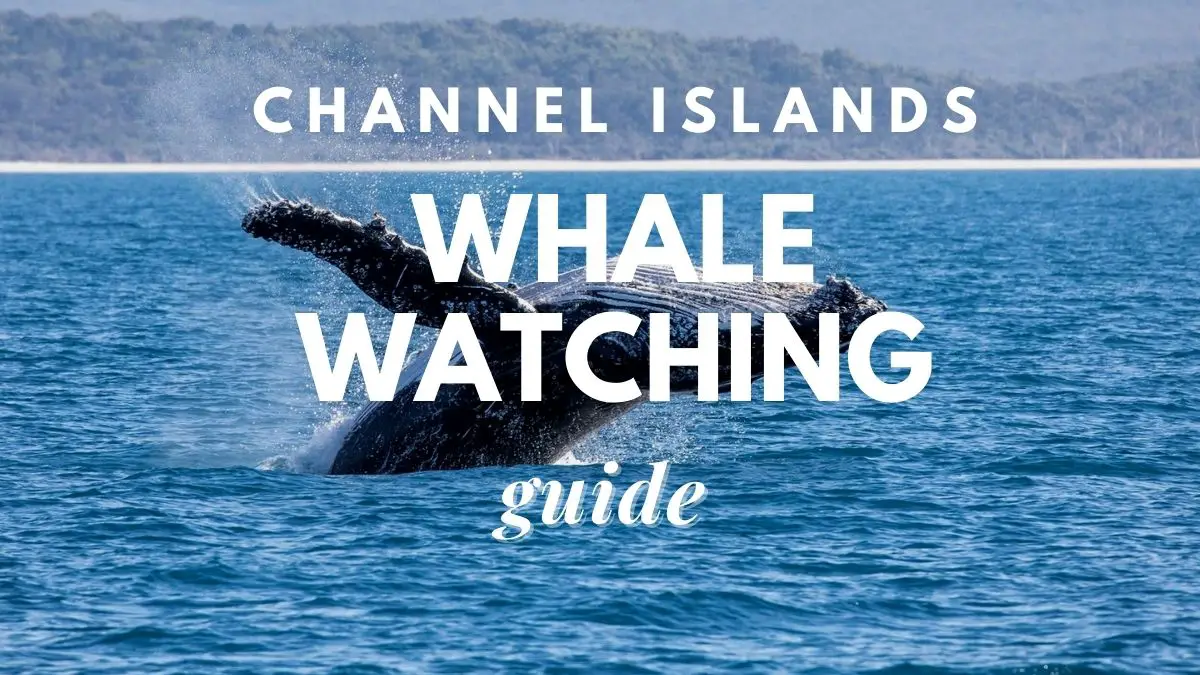
Watching whales
The Channel Islands and Ventura coast are connected by whale-watching trips that are virtually always exciting. In the area of the Channel Islands National Marine Sanctuary, 29 of the 78 different species of whales, dolphins, and porpoises have been seen. The tour boat captains can often discover a pod of dolphins, whether common, bottlenose, or Risso’s, as well as rafts of sea lions, even if a gray, blue, or humpback whale doesn’t show up. A school of flying fish may sometimes pass directly over the boat.
Less than 10 miles separate the city of Oxnard from the Channel Islands National Park, making it the ideal starting point for a whale-watching adventure. With the opportunity to extend your trip to a full day to dock on Anacapa or Santa Cruz Island, Island Packers provides three- to three-and-a-half-hour whale-watching excursions around the Santa Barbara Channel both in the winter and the summer. Tours are offered by Channel Islands Sportfishing from late December to early April.
What time of year is ideal for whale watching? When these 50-foot leviathans travel from the Bering Sea to Mexico and back every year, the gray whale season normally lasts from late December to mid-April. The greatest times to view humpback whales and blue whales are during the summer when there is an abundance of krill. Though humpback whale sightings are more frequent, seeing a blue whale—the biggest animal ever to be captured on camera—is an unforgettable event. The blue whale, which can grow up to 90 feet long (the length of three school buses), can shoot water approximately 30 feet into the air from its blowhole.
What is the best season for whale watching?
Especially in the Channel Islands area, whale watching may be an exciting activity. There is a good probability that you will spot Blue Whales, Humpback Whales, Finback Whales, and Gray Whales throughout your excursion. Being ready for your whale watch and understanding what to anticipate before you go out on your excursion may make it successful. You’ll get the most out of your trip if you keep in mind these suggestions. Companies that provide whale watching tours abide by all local, state, and federal regulations regarding COVID-19 safety standards.
Utilize a Reputable Company to Plan Your Travel
The Channel Islands Harbor is the only place you need to search if you want to go whale watching. The Santa Barbara Channel will be traversed during a 3- to 3-1/2-hour sail with Islands Packers Whale Watching trips. You may take advantage of a landing on Anacapa Island or Santa Cruz Island in the Channel Islands if you extend your vacation from a half day to a full day.
Offering breath-taking tours in the seas around Channel Islands National Park and the National Marine Sanctuary is Channel Islands Whale Watching. Captain Frank, who started his maritime career in 1976 and has been providing environmental trips since 1990, will welcome you onboard Ranger 85. AM and PM cruises are available from Captain Frank.
Check the marine forecast and the weather
You should definitely go whale watching on the calmest day possible if you’re unsure about the stormy waves or if you’ll become seasick. Check the maritime forecast in addition to the weather prediction. You probably won’t have a smooth cruise if heavy winds and rough waves are in the forecast.
Examine The Sightings
Due to the fact that whales are wild creatures, sightings are never actually assured. You should check the websites for Islands Packers Whale Watching and Channel Islands Whale Watching to learn about current sightings. There is a good possibility that you may come across a variety of marine species, including dolphins, seals, sea lions, and a broad range of birds, some of which are endangered and protected, even if you don’t see any whales.
Get Ready for A Day at Sea
Bring a smartphone or camera so you can document your adventure or snap some interesting photos. In case the sightings are amazing, make sure your phone is charged or that you have lots of batteries and a clean memory card. Remember that the speed and magnification offered by a typical point-and-shoot camera may not be sufficient to capture the greatest images. A 200-300mm lens on a 35mm camera offers the maximum zoom and steadiness for whale viewing. When sharing on social media, don’t forget to include the hashtag #channelislandsharbor and entertaining photos of you and/or your family.
Reminders for the future
The Santa Barbara Channel is one of the greatest places on the west coast to see whales for a reason. Numerous seabird species as well as hundreds of kinds of marine life call its nutrient-rich water home. Daily sightings of dolphins and whales on their annual migration are also common. A journey here for whale watching includes nature, adventure, and the possibility of seeing the largest beasts on Earth.
Numerous Pacific gray whales travel through the Channel from late November to early April, initially making their way south to the warm water lagoons of Baja California. Many gray whales, particularly moms with young calves, hug Santa Barbara’s shoreline as they make their annual spring migration to the Bering Strait off Alaska, where they will spend the summer. While you’re in Santa Barbara, take advantage of the many leisurely paths that wind along the picturesque cliffs and provide as excellent vantage locations to relax and wait for these majestic animals moving north.
The Santa Barbara Channel provides frequent opportunities to see humpback whales and the giant blue whale, which is the biggest animal on the planet, from late spring to early autumn. The timid minke whale, fin whale, coastal bottlenose dolphin, Pacific white-sided dolphin, and rissos dolphin may also be seen.
In Santa Barbara, there are many methods to enter the sea for a whale-watching excursion:
The Condor Express, at 75 feet, transports up to 120 guests to the best feeding sites throughout the Santa Barbara Channel. The Condor Express is a terrific method to observe one of the several whale species that frequent the region all year long since it has upper-deck and in-cabin seats. Even a fantastic supper cruise is an option.
The Sunset Kidd, which can accommodate up to 15 persons, is one of the most tranquil methods to see whales in their natural environment. The 41-foot boat glides next to enormous California gray whales as they breach the surface, enabling you to see and hear the whales as they inhale and exhale. The Sunset Kidd’s passengers may either participate in the sailing or just relax and take in the wildlife, which may include everything from minke whales to orcas to even the enormous blue whale.
Captain Jack’s trip may be the best option if you want a closer look at the Channel Islands. From the luxury of a 75-foot catamaran, the four and a half hour excursion off the Santa Barbara coast gives an incredible view of blue, humpback, gray, and killer whales. While admiring the beauty and majesty of the Pacific’s most magnificent animals as they migrate to Baja to give birth and then again as they travel north with their young, passengers indulge in beer, wine, and refreshments.
The seas off the coast of Santa Barbara are home to one-third of the world’s marine animals, and Celebration Cruises wants you to have a close-up look. 27 species of whales, including humpbacks, minkes, and California grays, coexist in these waters from February to May with the 46-passenger luxury boat operated by Celebration Cruises. On this Santa Barbara tour, dolphins and sea lions may also be seen.
It’s a thrill unlike any other to see Santa Barbara’s whales from the deck of a sailboat. The 50-foot catamaran, the Double Dolphin from Santa Barbara Sailing, softly glides over the waves so you may get as near to the whales and other aquatic wildlife as you can without disturbing them. This unique cruise, which sails seven days a week, requires reservations.
The Channel Islands
Santa Cruz, Santa Rosa, San Miguel, Santa Barbara, and Anacapa Island make up the five islands that make up Channel Islands National Park. The visitor center is in Ventura, California.
We chose to make a tour reservation with Island Packers Cruises. A half-day whale viewing cruise of Anacapa Island was provided by Island Packers. Since Ventura was roughly a 3-hour trip from San Diego, this tour was ideal for us. We thus had plenty time to go to and from our expedition.
You may see the available wildlife tours by clicking here.
In Ventura, California, on Spinnaker Drive, you can find Island Packers. We had a little trouble locating it. There are only one way streets that go to the Channel Islands Visitor Center. At first, we had turned it down. But everything worked out perfectly since we were also going to the tourist center. We then went back down after the tourist center and were able to locate it.
Don’t forget to have your National Parks Passport book stamped at the visitor center if you have one! We checked in with Island Packers when we got there, and they handed us our permit to board the boat. Drinks and snacks are available on the boat, but I advise eating before the excursion.
From the boat dock to Anacapa Island, it takes roughly an hour. Given that this trip is being narrated, anytime our guide saw a landmark or some animals, he would halt the boat and draw our attention to it.
Channel Islands National Park’s Anacapa Island Anacapa Island
During the boat voyage to Anacapa Island, the guide provided us with a wealth of historical and natural history information. I was speechless at how stunning the colors were as we began to approach the island.
The grass and lake were both very azure. You might assume that I had altered the images to make them more striking, but I hadn’t! The lighthouse and the arch were my two favorite places to take pictures! When we got close to Anacapa Island, these were the first two things we saw.
Arch Rock at the ocean’s depths
Anacapa Island’s Arch Rock is located in Channel Islands National Park. While doing research for this article, I discovered that this arch goes by the titles Cabrillo Arch and Arch Rock. In any case, it was a breathtaking sight!
Anacapa Island’s lighthouse is located in Channel Islands National Park. The boat excursion circumnavigates Anacapa Island’s backside and the arch. We saw numerous sea lions sunning on the island’s backside. The guide also saw a few whales on the boat journey around the rear of the island, but I only got to see one or two.
The tourists/visitors actually RUN to the side of the boat where he declared any whale action. I opted to remain still in the hopes that a whale would surface on my side of the boat rather than battling 35 whale-obsessed people! In the image below, a whale tail can be seen as a blob in the middle of the sea.
An ocean view with a whale tail in the little, dark gray region in the middle. Our tour guide would slow down the boat if he saw a whale. In the hopes that it would resurface, and we might see it again, he would attempt to track that whale. The weather became cloudy and wet as we reached the rear of the island. For the hour-long journey back to the boat port, we opted to eat indoors at a table.
Advice for this Anacapa Island whale-watching tour
- Bring a raincoat or jacket. It ended up pouring on us on the boat journey back to the port since the boat voyage may be windy. Every raincoat I’ve owned has been a Columbia. I adore them.
- Before the tour, eat! Only beverages & snacks are offered aboard the boat. If you want to save money, bring your own munchies.
- Bring your camera, ideally one that can record video. I was able to get the whale tail in the photo above by randomly taking a video!
- Bring a book or something to do. The whole boat journey back to the pier was in the rain. If you don’t have something to occupy your time, an hour of watching it rain on the water may go rather quickly.
Final words
Now you are aware of how to get the most out of the Channel Islands whale watching. Go ahead with your tour and you will surely fall in love with all the great experiences that come on your way.

Proud owner of https://travelyouman.com/