
The greatest multi-day rafting and kayaking adventures in the world are on the Middle Fork of the Salmon River. The 100 miles of river satisfy everyone’s demands with hot springs, exciting rapids, consistent flows, crystal clear water, fantastic fishing, and wonderful campsites. It is hardly surprising that the Middle Fork Salmon was one of the first rivers to be included in the system of Wild and Scenic Rivers given all of this plus the enormous granite cliffs of Impassable Canyon.
The Middle Fork Salmon is not the only multi-day whitewater in Idaho that is well-known worldwide. The Selway is located just to the north, while the South Fork Salmon flows to the west. The Middle Fork is the best for beauty, hot springs, and a longer excursion, yet both are a step up in terms of difficulty and solitude.
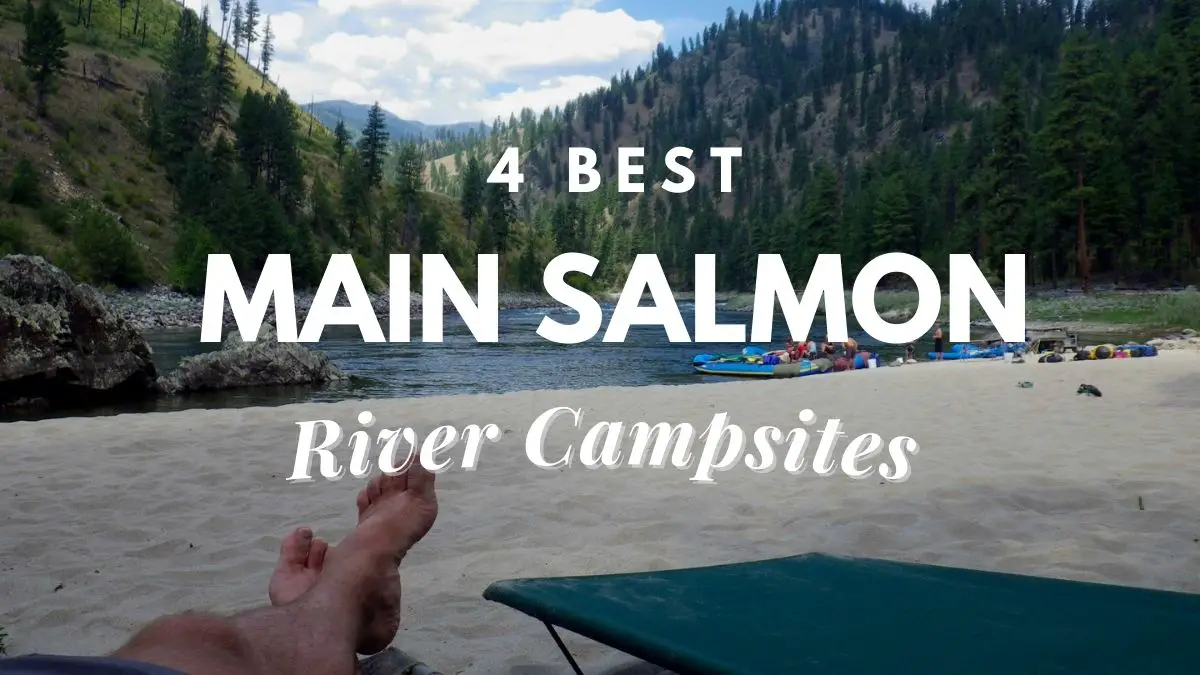
What is the Salmon River?
The Salmon River is a bulwark of America’s wild areas and the model of untainted wildness. The stretch of the Salmon River between the villages of Salmon and Riggins without any roads has long been known as “The River of No Return.” The Salmon River traverses a gorge in this region that is over 200 miles long and 5,000 feet deep. It runs freely through the greatest wilderness in the lower 48 states and is one of the remaining unobstructed mountain rivers on the nation. The Salmon is both unique and one of the last examples of its type. Its water flows rival those of the Colorado River as it travels through a canyon deeper than the Grand Canyon, undisturbed by civilization, and through pure wilderness, draining the central Idaho highlands. The abundance of wildlife that makes the canyon area of central Idaho home, including Bighorn sheep, elk, deer, black bear, and bald eagles, is served up by its secluded location.
Exhilarating, enormous rollercoaster rapids, wave trains, large white sand beaches, long, warm days, cold evenings, and water temperatures that are ideal for swimming and having fun in the water are the hallmarks of a journey on the Salmon. The Salmon provides a distinctive range of alternatives for white water runners of all interests and comfort levels, from those wanting high-risk, exhilarating adventure to those just wishing to dip their toes for the first time in a relaxed, enjoyable setting. The Salmon is the ideal place to learn how to row a raft, paddle an inflatable kayak, or use stand-up paddleboarding.
Natural hot springs for soaking, deep pools for swimming and splashing, and maybe the nicest river beach camping on any river anywhere are all found along the route.
As you go along the Salmon River’s reaches, your guides will keep you entertained with tales of its rich past, which is full of eccentric personalities and strange tales. The region is rich in the type of culture and tradition that made the west renowned, having been settled through centuries by hardy and era-defining men and women.
Read: Is Traveling A Hobby? The Ultimate Guide To An Exciting Way Of Life
Learn about the Downsides Of Traveling As A Hobby
What are the main Salmon River campsites?
One of the lower 48 states’ longest free-flowing rivers is the Lower Salmon River. About 8,000 feet above sea level, in central Idaho’s Sawtooth and Whitecloud Mountains, is where the river starts. With help from the snow of the Sawtooth mountains, it initially moves northeast before moving west.
With some of the greatest Salmon River Campgrounds, this portion of the river and its canyon provide fantastic rafting opportunities. We strongly advise you to go there because of the consistently high water levels, the quantity of class II and IV rapids, and the many distinctive white sand beaches.
1. Campground at Hammer Creek Recreation Site
There are 12 pet-friendly campsites at the Hammer Creek Recreation Park, which is located along route 95 west of White Bird (yes river dogs!). The fact that this campsite is encircled by semi-arid mountain peaks is one of our favorite features.
This campground has potable water, bathrooms, and a dump station as facilities. Also, ADA accessible are the campgrounds. Only first-come, first-served guests are permitted to use the campgrounds.
2. Campground at Pine Bar Recreation Site
On the Lower Salmon River, south of Cottonwood, the Pine Bar Campground is a part of the Pine Bar Recreation Site. Our favorite location for picnics, swimming, and fishing is here. Although there are just six campsites here, it’s a fantastic area to stop for the day and set up camp for the night.
Potable water, picnic tables, and restrooms are amenities. Each site is pet-friendly and provided on a first-come, first-served basis.
3. Campground at Slate Creek Recreation Site
Six campsites are available at the Slate Creek Recreation Site, which is 10 miles south of White Bird along Highway 95. A developed and shaded site, many fire rings, and picnic tables are wonderful additions to this particular campsite.
Restrooms, potable water, and a picnic area are amenities. Campsites are only provided on a first-come, first-served basis at all locations.
4. Island Bar Recreation Area
This location is one of our favorites since it is completely undeveloped and close to broad, sandy beaches. Perfect for setting up camp with enough space for a frisbee toss. Although this area is undeveloped, rafts, kayaks, and jetboats are often put in here. Booking a trip with the IRA and bringing your tent, food, etc. will improve any camping on the lower Salmon.
A River Without a Return
The Frank Church River of No Return Wilderness, the biggest wilderness in the lower 48 states, is traversed by Idaho’s Wild and Scenic Salmon River. The Salmon River, one of North America’s biggest rivers and the largest in Idaho, meanders through the second-deepest canyon in the country. It is a famous river adventure that travels through 85 miles of wilderness and offers the opportunity to escape society and immerse oneself in a mostly unexplored natural beauty.
The Salmon is lovely in personality and distant and wild in environment. Large, exhilarating rapids and sporadic areas of calm flatwater interspersed with magnificent canyon walls and rich green pools characterize its flow. Large, white sand beaches along its banks, providing wonderful opportunities for overnight camping and tranquil midday relaxation.
Rafting at the Salmon River
The Salmon River offers alternatives that range from wild to welcoming, exciting to peaceful, and everything in between, making it a true haven for river runners of all skill levels. Whether it’s a group of friends, a young family, or a multigenerational group, this is the perfect vacation for everyone from the novice to the seasoned traveler. Running the Salmon is an adventure that will strengthen relationships and leave enduring memories.
The Salmon River is the gold standard of adventure on one of the world’s greatest wilderness rivers for anybody looking to disengage from the outside world and re-connect with the natural world and their closest friends and family.
River cruising on the Wild Main Salmon
The Wild and Scenic Rivers Act was modified by the Central Idaho Wilderness Act of 1980 to include the 79-mile stretch of the Salmon River from Corn Creek Campground to Long Tom Bar as a Wild River. This wilderness area was later renamed the Frank Church – River of No Return Wilderness. The Corn Creek Campground, which is 46 miles west of North Fork, Idaho, is where the Wild part of the Salmon River begins. It is situated in Central Idaho. To Long Tom Bar, which is 28 miles east of Riggins, Idaho, it travels 79 miles west. The Frank Church – River of No Return Wilderness is traversed in the higher portion. The Gospel Hump Wilderness’ southern border is defined by the bottom part.
On average, 10,000 people float the Main Salmon River’s Wild stretch each year. The Main Salmon’s Wild portion offers a moderate to fast-paced whitewater rafting experience, depending on water flow rates.
The River of No Return Wilderness is traversed by the Main Salmon’s Wild segment. For activities that take place in the Wilderness, such as floating the Wild part of the Main Salmon River, the Frank Church – River of No Return Wilderness Management Plan offers program management guidance. The Plan’s Chapter 2 (beginning on page 2-63) offers detailed guidelines for managing activities on this stretch of river.
The Main Salmon seldom ever experiences stress; exhilaration is more common. As soon as we take off, the environment appears to promote calm. The environment is huge and awe-inspiring, the water is warm (apart from early in the season), the rapids are exciting (large waves, not many rocks), and (grand mountains with giant pine trees and a clear side stream at almost every bend). Additionally, there is a unique natural hot springs that will melt even the most rigid left-brainers. There are hills to climb, ranches to explore, pictographs to see, routes to trek, fish to catch, tales to hear, and stars to watch, so it is by no means monotonous.
The little inflatable kayaks we carry provide the thrills; the more daring can navigate the rapids, while the less daring may paddle through the calmer sections and explore the river’s edge (and their own limits). A year of chamomile tea and lavender candles is comparable to six days on Idaho’s Main Salmon.
Information about the Main Salmon River
The majestic Sawtooth Mountain Range in central Idaho is home to high lakes and snowfields from which the Salmon River emerges. The river first descends sharply before flowing through the barren, arid “Upper Gorge” and into the rich Salmon River Valley. The river suddenly bends west and enters the stunning and lonely Frank Church Wilderness Area, also known as the River of No Return, a few miles north of the town of Salmon.
Our journeys start at Corn Creek, where the road terminates, and conclude at Carey Creek, where the road ends. Here, the river alternates between parts of calm flowing and exciting whitewater, offering a good mix of thrill and relaxation. There are amazing sights to see and intriguing locations to discover every day. A few of the attractions include clear, flowing side streams, natural hot springs, Native American artwork, abandoned mines, dilapidated homesteads, and an abundance of animals.
Our tours are planned to give us plenty of time to visit the canyon’s many intriguing historical sites as well as to take advantage of the river’s exhilarating on-river activities. Early season tours are planned for 5 days due of the high and swift water, which allows us to go farther each day without having to sacrifice any time off-river for exploring. It takes six days to experience the whole canyon since the river is a little calmer, warmer, and slower later in the summer. A trip to catch Main Salmon in late July or early August is one of the best family vacation options.
Final words
Whitewater rafting on Idaho’s fabled Middle Fork of the Salmon River is legendary. Over a 105-mile span, the Salmon River has more than 100 rapids. The vast, solitary “River of No Return” wilderness in central Idaho is traversed by the free-flowing river as it descends 3,000 feet. It is one of the first “Wild and Scenic Rivers” in America to be protected by Congress. It is natural and untamed, beautiful, and diversified.
Nearly 6,000 feet above sea level, we put our boats into the Salmon and instantly encountered a magnificent forest of fir and spruce. We rush through boulder-filled rapids on a steep, shallow, and narrow stretch of the river. Side streams join the Middle Fork’s crystal-clear, dazzling water with each mile that goes by, deepening the flow around our boats. On this section of the Salmon River, there are several hard whitewater rapids. On this Idaho rafting excursion, the guides reverently refer to the places by name, including Velvet Falls, Ram’s Horn, the Chutes, Pistol Creek, Devil’s Tooth, and House Rock.
As the height drops, the river expands, and views of the mountain range covered with pine trees emerge from the spruce forest. Rafts peacefully float over deep, clear pools of water that are inhabited by native cutthroat and rainbow trout. Guides often pause the group so that they may explore local pioneer settlements and Native American pictographs. Our river guides have a thorough understanding of this magnificent canyon and use their interpretative expertise to help unearth the hidden histories of these important locations.

Proud owner of https://travelyouman.com/